
Loading
Preparing your coverage insights...
Our Locations
Loading
Preparing your coverage insights...
Restaurant insurance is a stack, not a policy: a BOP for liability and property, workers compensation, liquor liability, and hired and non-owned auto for delivery. Liquor liability is excluded from every standard BOP, which matters in Pennsylvania because 47 P.S. Section 4-493 exposes establishments that serve a minor or a visibly intoxicated patron. RAMP certification through the PA Liquor Control Board can reduce both premium and citation fines.
Get a business insurance quote. One call compares the carriers we write side by side.
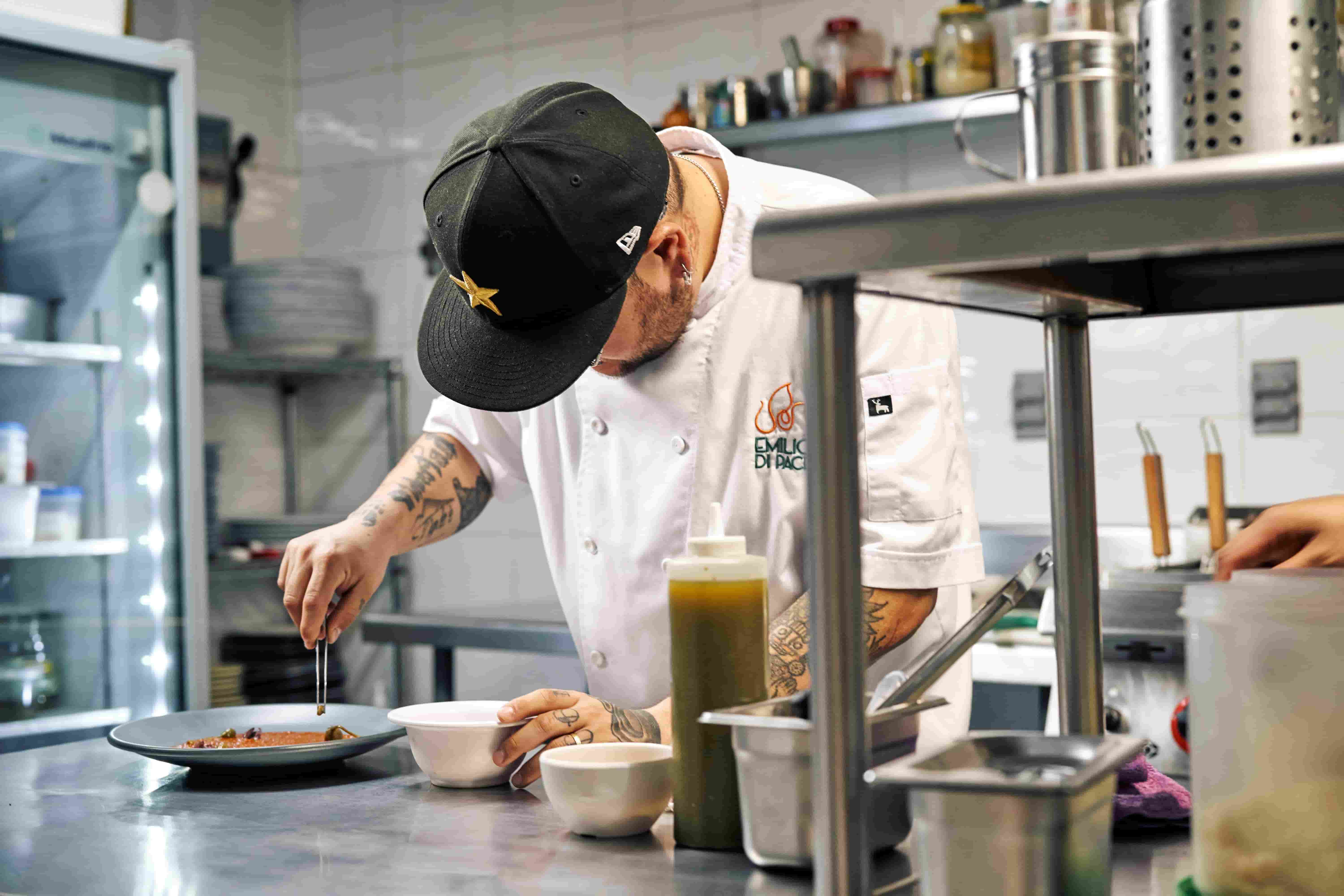
Most restaurant owners buy a Business Owners Policy, see general liability and property bundled together on the declarations page, and reasonably assume the bar is covered too. It is not. Liquor liability is excluded from essentially every standard BOP, and in Pennsylvania that gap sits directly on top of one of the more aggressive dram shop statutes in the country. This guide covers what a restaurant policy actually contains, where the liquor gap is, what the coverage costs, and the Pennsylvania certification that can lower your premium.
Quick Answer
What does restaurant insurance include? A working restaurant program is usually four things, not one: a Business Owners Policy bundling general liability, commercial property and business interruption; workers compensation for your staff; liquor liability if you serve alcohol; and commercial auto or hired and non-owned auto if anyone delivers. MoneyGeek 2026 data puts a restaurant BOP around $224 a month, and most independent restaurants land between $3,000 and $6,000 a year once workers comp and liquor liability are added. The single most common gap is assuming the BOP covers alcohol. It does not.
There is no single policy called restaurant insurance. What you are buying is a stack, and the pieces are sold separately even when they arrive on one bill. Missing any one of them is how an owner discovers a gap at exactly the wrong moment.
This is the part worth reading twice. A Business Owners Policy bundles general liability with property coverage, and general liability contains a liquor liability exclusion. If your business manufactures, sells, serves, or furnishes alcohol, claims arising out of that activity are carved out of the policy you already bought. It does not matter how comprehensive the bundle looks or how much you are paying for it.
Liquor liability has to be added as a separate policy or endorsement. Industry data puts restaurant liquor liability in the range of $45 to $75 a month, which is a small line item against the exposure it covers. A single dram shop suit can exceed a general liability limit on its own, and the defense costs alone routinely run into six figures before anyone reaches a verdict.
Not sure whether your policy covers alcohol?
Tell us what you have now and we quote a package that actually includes liquor liability, so a dram shop claim does not find the gap first.
Pennsylvania law at 47 P.S. Section 4-493(1) makes it unlawful to serve alcohol to a minor or to a person who is visibly intoxicated, and it exposes the licensed establishment to civil liability when that service leads to injury or death. The claim does not have to happen on your premises. If a patron is over-served, drives, and causes a crash miles away, the establishment that served them can be brought into the suit.
Two details catch owners off guard. First, the standard is visible intoxication, which is a judgment your staff makes in real time and which a plaintiff will later reconstruct from receipts, video, and witness accounts. Second, liability can attach to both the server personally and the establishment. That combination is why bars and restaurants that serve late, run high-volume service, or host events are underwritten differently from a cafe that pours two glasses of wine at dinner.
Pennsylvania runs a program most owners in other states do not have access to. RAMP, the Responsible Alcohol Management Program administered by the Pennsylvania Liquor Control Board, trains licensees and their staff on how to refuse service to minors and visibly intoxicated patrons and sets operational standards for doing it consistently.
RAMP certification does two things that matter to your insurance. It documents a good faith effort to comply, which is meaningful evidence when a dram shop claim is being defended, and many Pennsylvania carriers price for it directly with a reduced liquor liability premium. Separately, a licensee already RAMP certified at the time of a citation, with no sales to minors or visibly intoxicated patrons in the prior four years, is eligible for a substantially reduced fine.
If you serve alcohol in Pennsylvania and your staff is not RAMP certified, that is usually the highest-return thing you can do before your next renewal. Tell us you are certified when we quote, because it does not show up automatically.
Figures below are third-party industry data for a typical small independent restaurant, not quotes. Your own number depends on seating, alcohol as a percentage of sales, hours, payroll, cooking method, and claims history.
The largest single swing factor is usually cooking method. A kitchen with deep fryers and a commercial hood is a materially different fire risk from a sandwich counter, and carriers price it accordingly. An up-to-date hood suppression system with current inspection tags is one of the few things that both lowers premium and keeps you eligible with better markets.
Kitchen fire. Grease and open flame make food service one of the higher fire-frequency classes. The property loss is only part of it. The months you are closed are a business interruption claim, and that limit is the one owners most often set too low.
Slip and fall. Wet floors, kitchen traffic, and winter entryways drive the most common general liability claim in the industry. A documented floor-mat and wet-floor-sign routine is genuinely persuasive when a claim is investigated.
Equipment breakdown and spoilage. A walk-in cooler that fails overnight is usually not a covered property claim, because a standard property form treats mechanical breakdown as excluded. Equipment breakdown and food spoilage endorsements are what turn that from a total loss into a claim.
Delivery. The moment an employee delivers an order in their own car, you have a commercial auto exposure that a personal policy will not answer. Hired and non-owned auto coverage handles it, and it is inexpensive relative to a single at-fault delivery accident. Our commercial auto guide covers how that coverage is structured.
Dragon Insurance is an independent agency in Camp Hill, minutes from Harrisburg, and we have been placing commercial coverage since 2018. For restaurant risk we quote across our business panel, including biBerk, Hiscox, CNA, Coterie, Thimble, and Three, plus specialty and surplus markets for kitchens or liquor exposures the standard markets decline.
If you run an immigrant-owned or family-run restaurant, our guide for immigrant business owners covers the documentation questions that come up most often, and we work in English, Nepali, and Hindi.
Kapil khatiwoda
“Great price”
Subash Rai
“Great price. One of the best agency to explain me my coverage and finding me the policy that fit my need. Thank you Dragon Insurance and agent Manju for helping me out. You guys are best.”
Get your restaurant quote
BOP, workers compensation, and liquor liability quoted together so you can see the whole program rather than one piece of it.
Visit us: 1525 Cedar Cliff Dr STE 202, Camp Hill, PA 17011
Does a Business Owners Policy cover liquor liability?
No. General liability, which is the liability half of a BOP, contains a liquor liability exclusion for businesses that manufacture, sell, serve, or furnish alcohol. Liquor liability has to be added as a separate policy or endorsement no matter how comprehensive the bundle looks. This is the most common and most expensive gap we find on restaurant policies that were bought online.
How much does restaurant insurance cost?
MoneyGeek 2026 data puts a restaurant Business Owners Policy at around $224 a month, or roughly $2,692 a year. General liability alone commonly runs $126 to $172 a month, and liquor liability another $45 to $75 a month. Most independent restaurants end up between $3,000 and $6,000 a year once workers compensation and liquor liability are included. Cooking method, alcohol sales, payroll, and claims history move it most.
What is Pennsylvania dram shop liability?
Pennsylvania law at 47 P.S. Section 4-493(1) makes it unlawful to serve alcohol to a minor or to a visibly intoxicated person, and it exposes the licensed establishment to civil liability when that service contributes to injury or death. The incident does not have to occur on your property. If a patron is over-served, drives, and causes a crash, the establishment that served them can be named in the suit.
Does RAMP certification lower my insurance premium?
Frequently, yes. RAMP is the Pennsylvania Liquor Control Board Responsible Alcohol Management Program, and many Pennsylvania carriers price liquor liability more favorably for certified establishments because the training measurably reduces dram shop claims. It also documents a good faith compliance effort if a claim is defended, and a certified licensee with a clean four-year record faces substantially reduced fines on a citation. Tell your agent you are certified, because it is not applied automatically.
Do I need workers compensation for a small restaurant in Pennsylvania?
Yes. Pennsylvania requires workers compensation from your first employee, including part-time, seasonal, and family workers, with no small-business exemption. Food service is a higher-rated class because burns, cuts, and slips are frequent, so accurate job classification matters. Misclassifying kitchen staff under a lower-rated code is a common audit finding that produces a retroactive premium bill.
Is my walk-in cooler covered if it breaks down?
Not under a standard property form, which excludes mechanical breakdown. You need an equipment breakdown endorsement for the unit itself and food spoilage coverage for the inventory inside it. These are inexpensive additions and they are the difference between a covered claim and absorbing several thousand dollars of lost product yourself.
Do I need commercial auto if staff deliver in their own cars?
Yes, in the form of hired and non-owned auto coverage. A personal auto policy generally excludes delivery for business, so if an employee causes an accident while delivering an order, the claim can come back to the restaurant with no coverage behind it. Hired and non-owned auto is inexpensive and is one of the first things we add for any restaurant that delivers or caters.
How long does it take to get a restaurant insurance quote?
Straightforward restaurant quotes are often same day. Programs involving liquor liability, a full commercial kitchen, or prior claims can take one to two business days because several markets are being worked. Have your current declarations page, annual revenue, alcohol as a percentage of sales, payroll, and seating count ready and it moves faster. Call 717-229-5115 to start.
Dragon Insurance Services LLC is a licensed independent insurance agency. Cost figures are third-party industry benchmarks for illustration, not quotes or guaranteed rates, and actual premiums vary by risk profile, coverage selections, and underwriting approval. Pennsylvania Liquor Code and RAMP program details reflect requirements as of 2026 and are subject to change. This page is general information, not legal advice. Verify current requirements with the Pennsylvania Liquor Control Board. Contact us for a personalized quote.
Explore Related Coverage
Ready to compare carriers and get a quote?
Dragon Insurance is an independent agency in Camp Hill, PA. We shop 30+ carriers to find your best rate.
Prefer to talk it through?
Get a real quote from a licensed advisor. English, Nepali, and Hindi spoken.
About the Author
Bimal GurungCEO, Agency Principal & Licensed Insurance Agent
Bimal Gurung is CEO and Agency Principal of Dragon Insurance Services, an independent agency in Camp Hill, PA that compares 30+ carriers for clients across Pennsylvania, Texas, Virginia, Maryland, Ohio, Tennessee, and Kentucky.
Meet the Dragon Insurance teamContinue Reading

Business
Coffee Shop Insurance in Pennsylvania | Dragon
10 min read
Business
Bakery Insurance for Pennsylvania Bakers | Dragon
14 min read
Business
Food Truck Insurance for PA Owners - Coverage Guide
12 min read
Business
Retail Store Insurance: Coverage & Cost Guide 2026
11 min read
Business
PA Convenience Store Insurance - for Store Owners
11 min read
Business
General Liability Insurance for Small Business Owners
11 min read

Business
PA Workers Comp for Employers - Rules and Penalties
14 min read
Business
Commercial Auto Insurance Guide | Dragon Insurance
13 min read