Loading
Preparing your coverage insights...
Our Locations
Loading
Preparing your coverage insights...
Pennsylvania requires a convenience or general store to carry workers compensation from its first employee and nothing else, no general liability as a licensing condition. This guide covers PA retail food licensing for stores selling packaged and prepared food, the cash-handling and robbery exposure that shapes underwriting for this business type specifically (FBI data on convenience store robbery share via NACS), the Restaurant, Eating Place, or Hotel license path and 192-ounce off-premises limit for stores adding beer, the federal Tobacco 21 age-verification rule, equipment breakdown coverage for coolers and freezers, and 2026 cost benchmarks from Insureon's actual convenience store customer data.
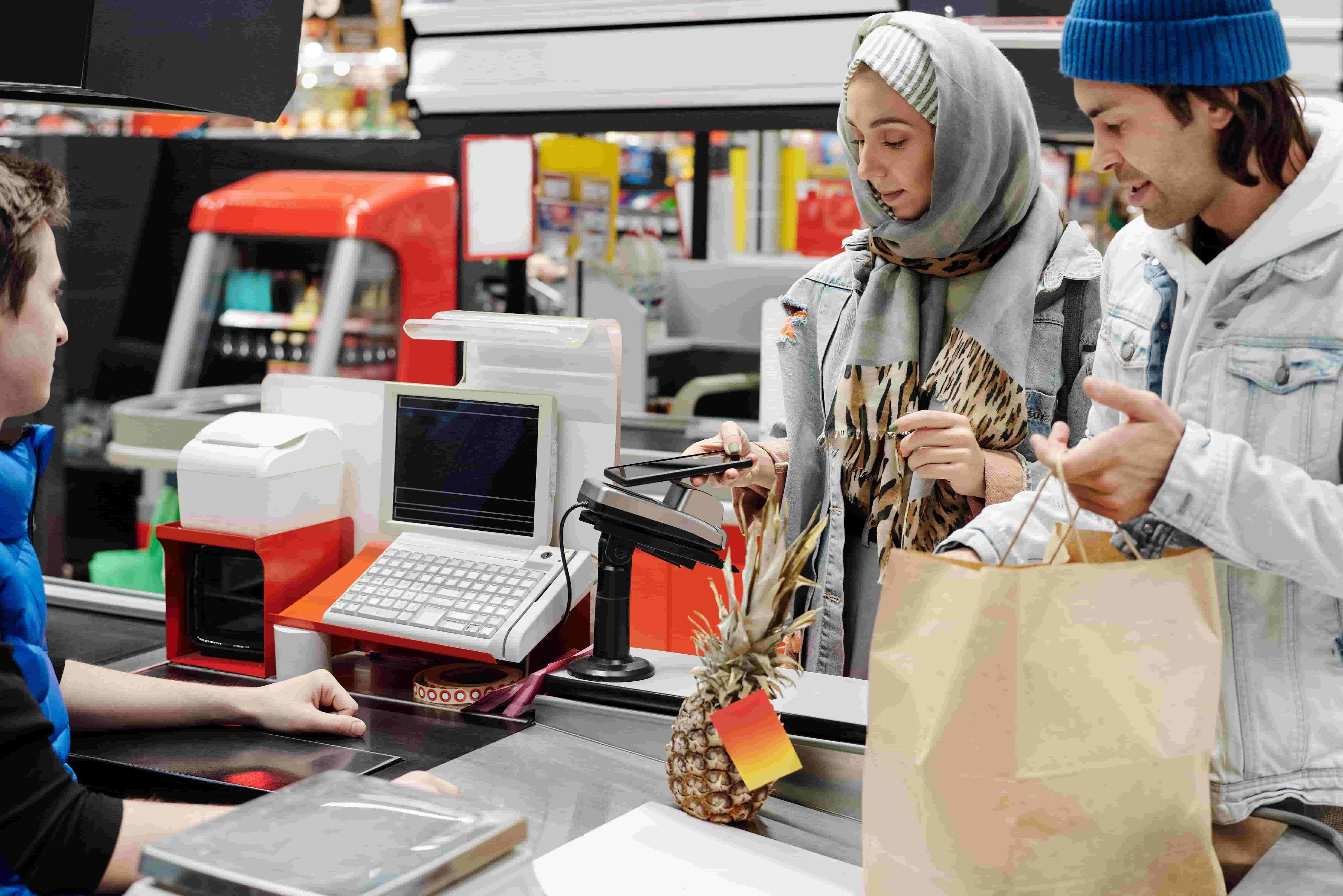
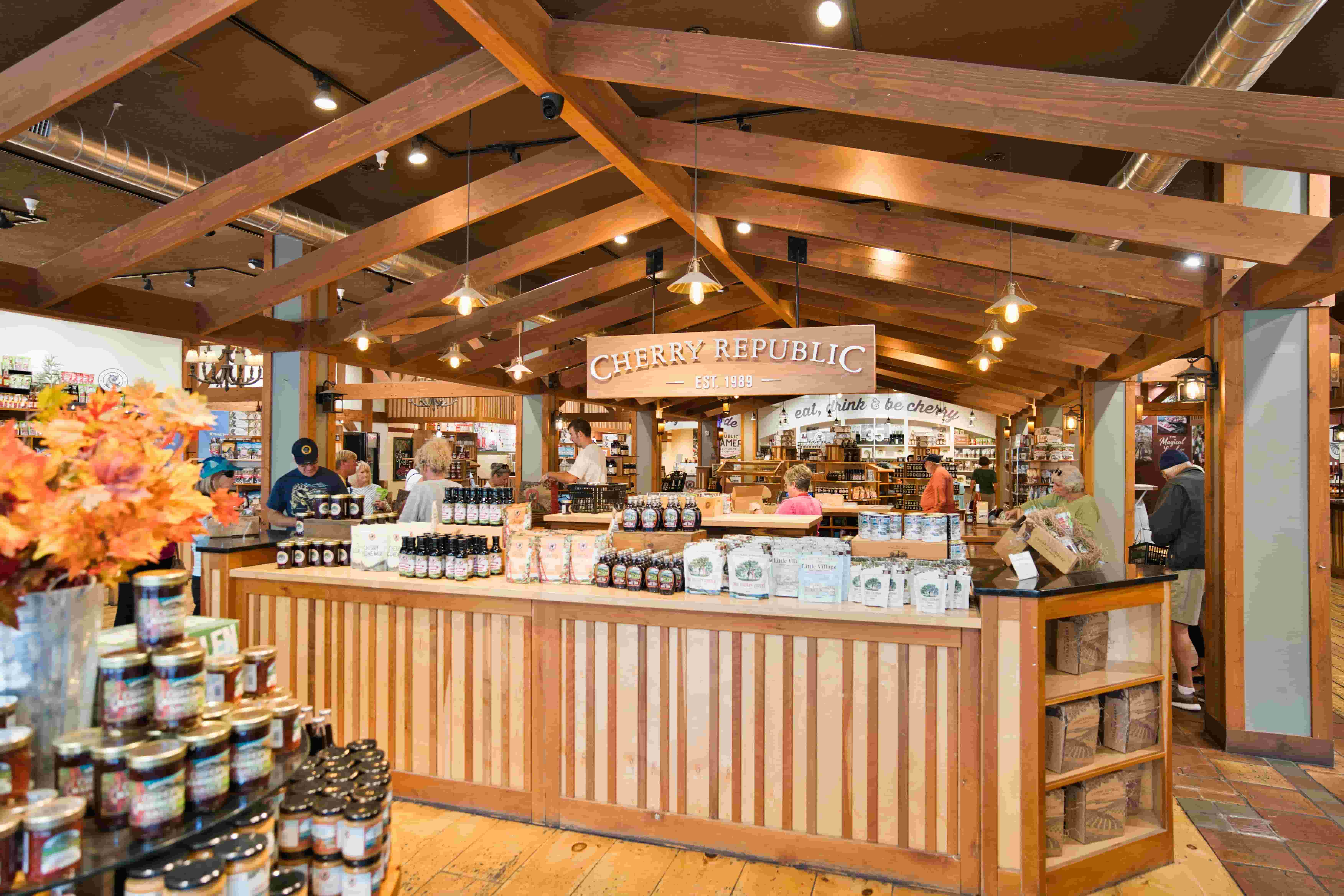
A regular comes in for milk, a lottery ticket, and a pack of cigarettes, and the register is short forty dollars by closing. A delivery of bread sits too long near a warm door and someone gets sick from a sandwich made with it. A cooler compressor fails overnight and the whole dairy case is a loss by morning. None of these involve a fuel pump. They are the three claim types that actually define a Pennsylvania convenience or general store, and none of them get much attention until one of them happens to you.
Pennsylvania does not require a convenience store to carry general liability insurance. It requires one thing: workers compensation, from your first employee. Everything else, the coverage that pays when a customer slips near the cooler, a landlord wants proof before handing over keys, or a beer license brings its own liability question, is a business decision, not a state mandate. This guide covers PA retail food licensing for a store that sells packaged and prepared food, the cash and robbery exposure that shapes underwriting for this business type specifically, the beer and tobacco license and age-verification questions, equipment breakdown for your coolers, and 2026 cost benchmarks.
Quick Answer
What insurance does a Pennsylvania convenience store need? Pennsylvania legally requires only workers compensation, from your first employee. The state mandates no general liability for a convenience or general store. Landlords, lenders, and a beer license all typically require a Business Owners Policy anyway, usually with $1,000,000 per occurrence and $2,000,000 aggregate limits. According to Insureon, a BOP for a convenience store runs about $184 a month based on the median of what convenience store owners actually pay, with workers compensation adding roughly $82 a month once you have staff.
If your store sells any food, packaged snacks, fountain drinks, hot case items, or a deli counter, it is a retail food facility under Pennsylvania law, the same category as a bakery, cafe, or restaurant. Licensing runs through the Pennsylvania Department of Agriculture in most of the state, with one exception worth checking before you assume: Allegheny, Bucks, Chester, Delaware, Erie, Montgomery, and Philadelphia counties run their own county health department licensing instead of the state program. Confirm which one applies to your address before you file anything.
Workers compensation, from your first employee, no minimum hours and no owner exemption for most business structures. Pennsylvania does not require a retail food facility to carry general liability, product liability, or property insurance as a condition of the food license itself. In practice, nearly everyone else in the transaction does: a commercial landlord will not hand over keys without a certificate naming them as additional insured, a lender financing your buildout will require property coverage, and if you plan to sell beer, the liquor license brings a separate liability question of its own.
Get the coverage your lease actually requires
Talk to a licensed agent today.
We quote general liability, property, and workers compensation together, sized to the certificate your landlord asks for, not a generic package built for a different kind of retailer.
A convenience store gets more strangers through the door per square foot than almost any other small business, and general liability is what pays when that foot traffic turns into a claim. Two claim types show up most often, and they are different exposures even though one policy answers both.
The first is the slip-and-fall. A wet floor near a cooler or fountain machine, a torn mat by the door in winter, or a box left in an aisle during restocking are the classic triggers, and general liability pays defense costs and any settlement or judgment. The second is product liability, which is part of the same policy, not a separate purchase. It covers a spoiled sandwich or hot case item you prepared, and it also covers a defective packaged good you simply stocked, like a lighter or a phone charger, if it injures a customer.
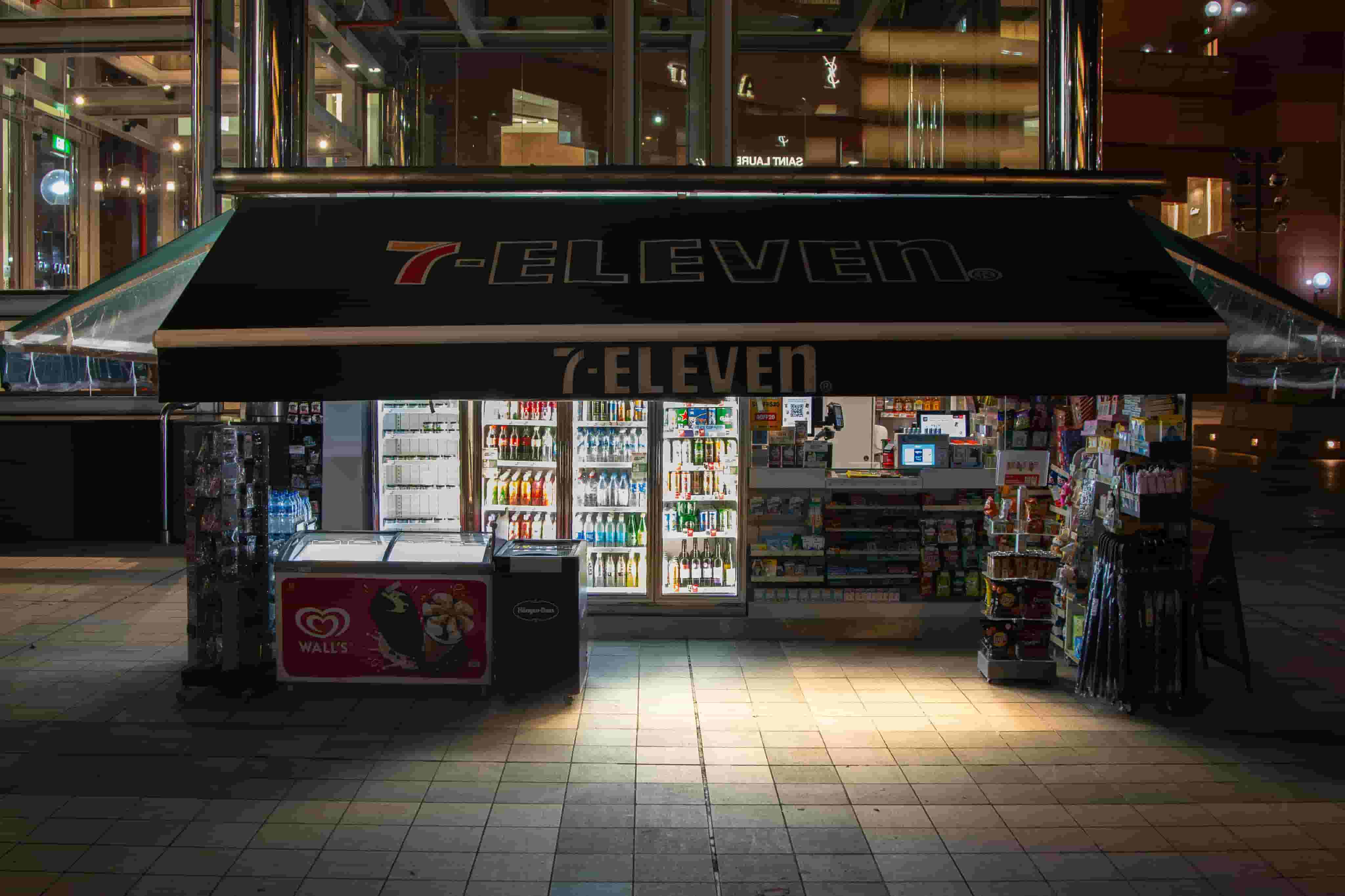
Convenience stores handle a high volume of small cash transactions, often during late or overnight hours with a single clerk on duty, and that combination shapes how this business is underwritten differently from most other retail. According to the National Association of Convenience Stores, convenience stores and gas stations together are the site of 13.8 percent of all robberies and 4.5 percent of all reported violent crime in FBI crime data, a share far out of proportion to the number of storefronts. That classification includes fuel locations alongside pure retail stores, but the underlying exposure, cash on hand, extended hours, and a lone employee at the register, applies to a packaged-goods corner store just as directly.
Here is the part that surprises new owners: general liability does not cover the money stolen from your register. General liability responds to third-party bodily injury, for example if an employee or customer is hurt during a robbery. The cash itself is a crime insurance question. A Business Owners Policy typically includes only a modest built-in limit for money and securities, both on and off premises, and a store that keeps meaningful cash on hand should confirm that limit actually matches its real till count and safe drop schedule rather than assuming it is covered.
There is no separate "convenience store" alcohol permit in Pennsylvania. If you want to sell beer for takeout, you need one of the state's standard retail liquor licenses, the same Restaurant (R), Eating Place (E), or Hotel (H) classes used by bars and cafes. Under Pennsylvania Liquor Control Board rules, a licensee in any of these three classes may sell up to 192 fluid ounces of beer in a single transaction for off-premises consumption, roughly two twelve-packs, without operating as a full sit-down restaurant.
Tobacco carries its own age-verification exposure, separate from alcohol licensing. Federal law sets the minimum purchase age for tobacco at 21, and since September 30, 2024, FDA rules require retailers to check photo ID for anyone who appears to be under 30, up from the previous under-27 standard. Neither an underage-sale fine nor a citation is an insurable loss; no policy pays a regulatory penalty. What matters for your coverage is the habit behind it: a consistent, logged ID-check routine is exactly the kind of documentation your liquor liability carrier and any defense counsel want to see if a claim ever follows a sale.
Just added beer or a lottery counter?
We add liquor liability to your general liability or BOP before your first sale, and confirm your R, E, or H license type actually matches what your policy covers.
A reach-in cooler, a walk-in for dairy and deli, or a beverage case running around the clock is one of the most common claim types for this business, and a standard property policy treats a mechanical failure differently than most owners expect. Property coverage generally excludes mechanical breakdown outright, so a compressor that fails overnight is not automatically a covered property claim on its own.
Pennsylvania requires workers compensation the moment a convenience or general store hires its first employee, including part-time, seasonal, and family workers, with no minimum hours threshold and no small-business exemption for most structures. Overnight shifts, robbery exposure, and repetitive lifting from restocking make this a real injury class, not a formality. Our workers compensation guide covers class codes and payroll audits in more depth.
Published figures are national averages, not Pennsylvania-specific, so treat them as benchmarks and confirm your real number with a quote. Insureon reports the median of what its actual convenience store customers bought: a Business Owners Policy runs about $184 a month ($2,208 a year), typically written with $1,000,000 per occurrence and $2,000,000 aggregate limits and a $1,000 deductible, standalone general liability alone runs about $72 a month ($857 a year), workers compensation adds roughly $82 a month once you have employees, and commercial umbrella adds about $59 a month in $1,000,000 increments above your base limits. If you run a delivery vehicle or make bank drops in a company car, Insureon puts commercial auto around $171 a month. Liquor liability, if you add beer, runs at a similar order of magnitude to what MoneyGeek reports for restaurants, commonly $45 to $75 a month.
"My landlord wants a certificate before I get keys."
We quote a Business Owners Policy with the landlord named as additional insured at the limits their lease specifies, and issue the certificate directly to their leasing office, so this stops being a closing-day scramble.
"We just got a beer license and I'm not sure what changed."
We add liquor liability to your existing GL or BOP rather than leaving it assumed, and confirm your R, E, or H license type matches what your policy actually covers before your first sale.
"We were robbed and I don't know what our policy actually pays for."
We walk you through what general liability, crime coverage, and business interruption each actually respond to, and we get the right carrier engaged immediately so the claim moves instead of stalling on which policy applies.
Lachu Sharma
“Great price. I saved $1,100 a year by switching with them. Best insurance agency in York, PA. Thank you team Dragon.”
Prem Khawas
“Dragon Insurance Services is the best insurance agency in Harrisburg, PA! They helped me save money while making sure I had the right coverage for my needs. The team is professional, knowledgeable, and always takes the time to explain my options without any pressure. Their customer service is outstanding, and they genuinely care about finding the best policy for their clients. I highly recommend Dragon Insurance Services to anyone looking for affordable insurance and excellent service!”
Get your convenience store insurance quote
General liability, property, workers compensation, and liquor liability if you sell beer, quoted together, with your landlord added as additional insured before you need the certificate.
Visit us: 1525 Cedar Cliff Dr STE 202, Camp Hill, PA 17011
Does Pennsylvania require insurance for a convenience store?
Only one coverage. Pennsylvania requires workers compensation from your first employee, with no minimum hours and no owner exemption for most business structures. The state does not require general liability, property insurance, or crime coverage as a condition of a retail food license. In practice, your landlord, lender, and, if you sell beer, your liquor license all expect the rest before you can open.
How much does convenience store insurance cost in Pennsylvania?
Published data is national, not Pennsylvania-specific, so treat these as benchmarks. According to Insureon, a Business Owners Policy for a convenience store runs about $184 a month, roughly $2,208 a year, with $1,000,000 per occurrence and $2,000,000 aggregate limits. Standalone general liability alone runs about $72 a month, and workers compensation adds roughly $82 a month once you have staff.
Do I need a special license to sell beer at my convenience store in Pennsylvania?
There is no separate "convenience store" alcohol permit. You need one of Pennsylvania's retail liquor licenses, the same Restaurant (R), Eating Place (E), or Hotel (H) class used by cafes and bars, which lets you sell up to 192 fluid ounces of beer per transaction for off-premises consumption. These licenses are quota-limited by county population, so most small stores acquire one through a transfer rather than a new issuance.
Does general liability cover a robbery or cash stolen from the register?
Not the cash itself. General liability responds to third-party bodily injury, for example an employee or customer hurt during a robbery, but stolen money is a crime insurance question, not a liability one. A Business Owners Policy typically includes only a modest built-in limit for money and securities, so a cash-heavy store should confirm that limit matches its actual till count and safe drops.
What insurance covers a customer who slips and falls in my store?
General liability. A wet floor near a cooler, a torn floor mat, or a box left in an aisle is a classic slip-and-fall claim, and general liability pays defense costs and any settlement or judgment. Documenting your cleaning and stocking routine helps the claim resolve faster and more predictably.
Am I liable if I sell a spoiled food item or a defective product?
Generally yes, and this is a product liability claim, which is part of a standard general liability policy, not a separate purchase. It applies whether the product is food you prepared, like a hot case item, or packaged goods you simply stocked, like a defective lighter or phone charger. Keeping supplier invoices and rotation logs helps show which party in the supply chain is actually responsible.
What are the tobacco and alcohol age-verification rules for convenience stores?
Federal law sets the minimum purchase age for tobacco at 21, and since September 30, 2024, FDA rules require retailers to check photo ID for anyone who appears to be under 30, up from the previous under-27 standard. For alcohol, Pennsylvania law makes it unlawful to sell to a minor or a visibly intoxicated person and exposes the license holder to civil liability. Neither underage-sale fine is insurable, but consistent ID-checking habits are exactly the documentation your liquor liability carrier and defense counsel want to see if a claim follows a sale.
Is my walk-in cooler or reach-in freezer covered if it breaks down?
Not under a standard property form, which excludes mechanical breakdown. A failed cooler or freezer is one of the most common claim types for this business, both for the repair bill and the spoiled inventory inside it. Equipment breakdown coverage and a food spoilage endorsement, typically added to a Business Owners Policy, are worth pricing on their own rather than assuming standard property coverage handles it the same way.
Do I need workers compensation for a one-employee convenience store in Pennsylvania?
Yes. Pennsylvania requires workers compensation from your first employee, including part-time and family workers, with no small-business exemption and no minimum hours threshold. Convenience stores carry real injury exposure from late hours, robbery risk, and lifting stock, so accurate coverage from day one matters more than the headcount suggests.
Dragon Insurance Services LLC is a licensed independent insurance agency. This article is general information, not legal, tax, or insurance advice specific to your business. Coverage availability, terms, and rates vary by carrier, business specifics, and applicant profile. Quotes are subject to underwriting approval. State and local licensing rules are subject to change; confirm current requirements with the relevant agency before you rely on them.
Explore Related Coverage
Ready to compare carriers and get a quote?
Dragon Insurance is an independent agency in Camp Hill, PA. We shop 30+ carriers to find your best rate.
Prefer to talk it through?
Get a real quote from a licensed advisor. English, Nepali, and Hindi spoken.
About the Author
Bimal GurungCEO, Agency Principal & Licensed Insurance Agent
Bimal Gurung is CEO and Agency Principal of Dragon Insurance Services, an independent agency in Camp Hill, PA that compares 30+ carriers for clients across Pennsylvania, Texas, Virginia, Maryland, Ohio, Tennessee, and Kentucky.
Meet the Dragon Insurance teamContinue Reading