Loading
Preparing your coverage insights...
Our Locations
Loading
Preparing your coverage insights...
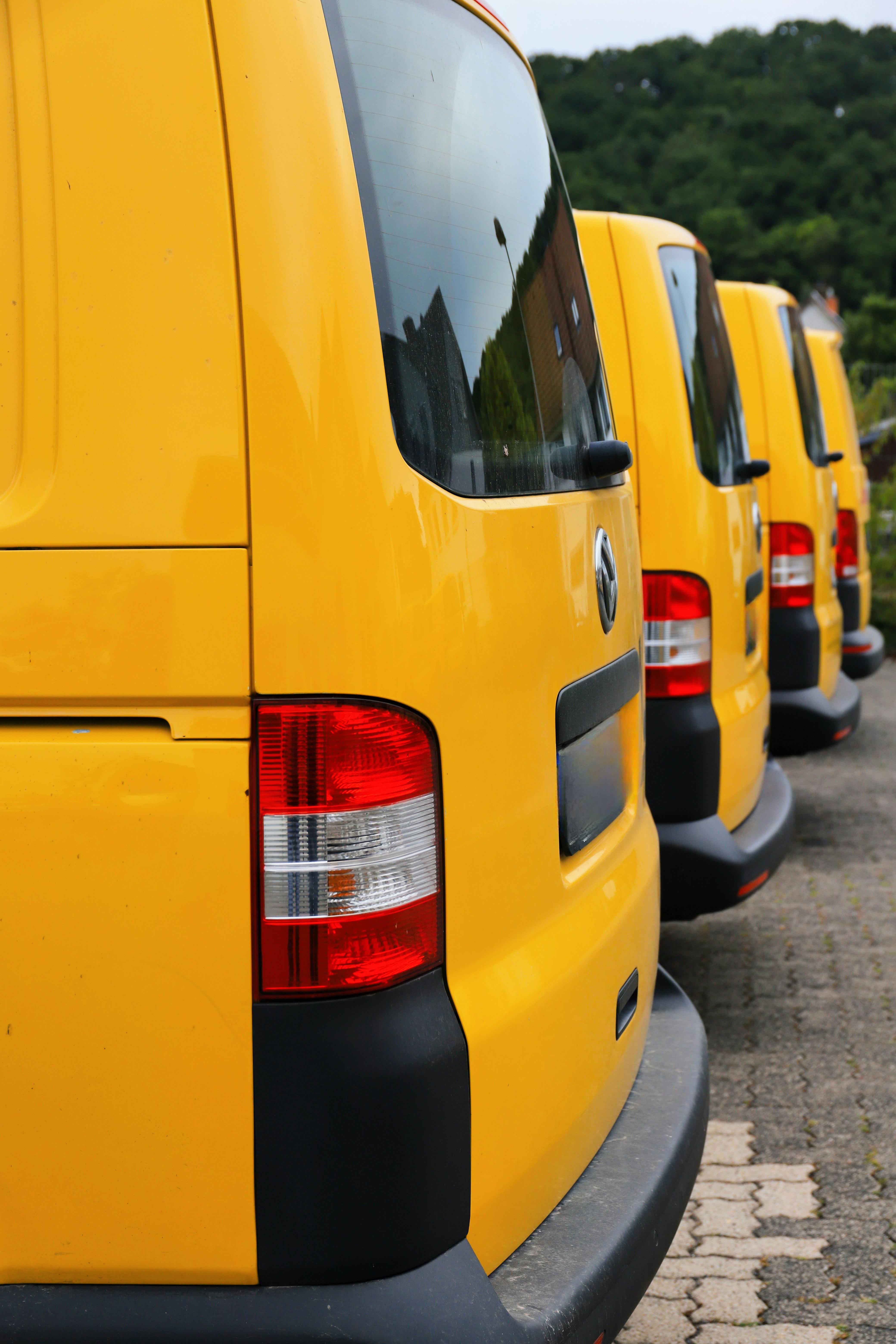
Protect your business vehicles with liability, physical damage, and driver coverage.
Licensed in PA, TX, VA, MD, OH, TN & KY only. Quotes available for these states.
Quick Answer
Pays for injuries and property damage your business is legally responsible for after an accident involving a covered vehicle. Most commercial contracts and client agreements require at least $500,000 in combined liability limits, well above typical personal auto limits.
Repairs or replaces a company vehicle after it collides with another vehicle or object, regardless of who caused the accident. Lenders and leasing companies typically require this coverage on any financed or leased vehicle.
Covers non-collision losses such as theft, vandalism, fire, hail, and hitting an animal. Worth carrying on any vehicle that stores tools, equipment, or inventory overnight.
Protects your drivers and vehicles when the at-fault party carries no insurance or not enough to cover the damage. High-mileage delivery and service vehicles face this exposure more often than the average personal driver.
Covers medical bills for the driver and any passengers hurt in an accident, regardless of fault. Works alongside your workers compensation policy, which is the primary coverage for an employee driver's own on-the-job injuries.
Covers your business's liability when an employee runs a work errand in their own car, or when your business rents a vehicle. A standard commercial auto policy only covers vehicles your business owns, not employee-owned ones, which is exactly the gap this endorsement closes.
Protects goods, materials, or equipment being transported for business purposes if they are lost, damaged, or stolen in transit. Recommended for any vehicle that regularly hauls tools, inventory, or a client's property.
Pays for a temporary replacement vehicle while a covered vehicle is being repaired after a covered claim, so one accident does not stop deliveries, service calls, or job site visits.
Covers towing, labor, and breakdown assistance for a disabled company vehicle, so a flat tire or dead battery does not turn into a missed job or a stranded driver.
Why You Need It
A personal auto policy is written to cover you, your household, and ordinary personal driving. The moment a vehicle is titled to your business, used to make deliveries, transport clients, or carry tools and equipment for pay, most personal auto insurers treat that as business use, and the policy simply does not respond. That gap does not disappear because the vehicle looks like an ordinary car or because the trip felt routine. It surfaces at the worst possible time, after a claim, when an adjuster asks whether the trip was for business and finds out that it was. Commercial auto insurance closes that gap by covering the vehicles your business owns outright. Hired and non-owned auto (HNOA) coverage extends that same protection to the accidents that happen when employees use their own cars for company errands, since an employee's personal policy was never built to cover your business's liability. Whether you run one company van or a growing fleet, the right commercial auto policy keeps a single accident from becoming a large, out-of-pocket liability judgment against your business.
A single business vehicle, often driven by the owner.
2 to 5 vehicles, common among contractors and delivery or service businesses.
6 to 15 vehicles with multiple drivers and regular routes.
15 or more vehicles, or operations with high mileage or valuable cargo.
Vehicle type and value
A cargo van carrying tools rates differently than a passenger sedan used for client visits. Heavier and higher-value vehicles typically cost more to insure, since they cost more to repair and cause more damage in an accident.
Driver history and MVR
A driver's motor vehicle record is checked at every renewal. A single at-fault accident or moving violation can raise that vehicle's premium, and one incident on a fleet driver's record can affect pricing across the whole fleet.
Radius of operation
A vehicle that stays within a small local area is rated differently than one that regularly drives long distances or crosses state lines. Understating your typical routes at application can create problems at claim time.
Garaging location
Where a vehicle is parked overnight, a secured lot versus an open street in a high-theft area, affects comprehensive pricing and theft exposure.
Claims history
Carriers look back several years of claims when pricing a new policy or a renewal. Frequent or recent claims can raise premiums or push a business toward a specialty market.
Coverage limits selected
Moving from a lower liability limit toward $1,000,000 combined single limit increases premium, but many client contracts and landlords require it as a condition of doing business.
Number of drivers and experience
More authorized drivers, and younger or less experienced ones, add exposure to a policy. Consistent, experienced drivers with clean records are a meaningful pricing advantage.
Type of cargo or equipment carried
Hauling tools, inventory, or a client's property is rated differently than an empty passenger vehicle. Accurately describing what a vehicle carries keeps coverage aligned with how it is actually used.
Usually not. Most personal auto policies exclude business use, so a claim filed while driving for work, making a delivery, transporting equipment, or driving to a client site, can be denied even if the vehicle is titled in your own name. If driving is a regular part of your job or your business, a commercial auto policy or a hired and non-owned auto endorsement is what actually responds to that claim.
Yes, if that vehicle is used for business purposes such as deliveries, client visits, or hauling tools and equipment. One business vehicle carries the same personal-auto exclusion risk as a full fleet, so the number of vehicles does not change whether you need the coverage.
Yes, if employees ever use their own cars for business errands or if your business rents vehicles for work. Hired and non-owned auto (HNOA) covers your business's liability in that situation, since a standard commercial auto policy only covers vehicles the business itself owns.
The employee's personal auto policy responds first. If it denies the claim or the limits are not enough, hired and non-owned auto coverage protects your business from the liability that follows. Without it, your business can still be sued directly even though it did not own the vehicle involved.
Not by itself. A standard commercial auto policy covers the vehicle and your liability to others, not the tools, inventory, or equipment inside it. Protecting cargo and equipment typically requires a separate cargo, inland marine, or commercial property endorsement.
Yes. Trailers used for business, whether for hauling equipment, materials, or towing, can typically be added to the policy alongside the vehicles that pull them.
Not automatically. It is typically added as an optional coverage so a replacement vehicle is available while a covered vehicle is being repaired after a claim, keeping deliveries and service calls on schedule.
Limited personal use can sometimes be included by endorsement, but it needs to be declared upfront. Undeclared personal use of a business vehicle is one of the more common reasons a claim gets questioned at the time it is filed.
Yes. Fleet programs can cover multiple vehicles, drivers, and locations under a single policy, and fleets typically qualify for more favorable fleet pricing than insuring each vehicle individually.
Commercial auto covers standard business vehicles such as cars, vans, pickups, and light-duty service vehicles. Commercial trucking is a separate, more heavily regulated line for larger trucks operating under federal motor carrier authority. See our commercial trucking insurance page if your operation includes heavier, federally regulated vehicles.
Quote Support
Submit your details and an advisor will reach out soon.
Prefer to talk now? Tap to call and we’ll guide you through the next steps.
Contact Us
Tell us a bit about what you need and we will respond as soon as possible.
Check Your Situation
Most people find out the answer after a claim is denied, which is the worst possible time. You can answer it in about a minute right now.
You need a commercial auto policy if any of these are true
A personal policy is usually fine if all of these are true
Not sure which column you are in? That grey area is exactly what we talk through on the phone, and it costs nothing to ask.
One case surprises people often enough to call out: if employees run errands in their own cars for your business, your business can still be sued after their accident. That exposure is covered by hired and non-owned auto, which is an endorsement, not something a personal policy provides. See our commercial auto insurance guide for how that works in practice.
A few vehicle types are rated on their own terms. Straight trucks on local routes follow the factors in our box truck insurance cost guide, wreckers and rollbacks need the on-hook coverage in our tow truck insurance guide, and wheelchair vans running Medicaid trips need the broker limits covered in NEMT insurance in Pennsylvania. We quote each of these alongside the rest of your business vehicles.
After You Buy
01
Make the scene safe, then document it
Injuries first, then police report, then photographs of both vehicles, the road, and any equipment or cargo involved. Get the other driver's insurance details. If an employee was driving, get their account in writing the same day while it is fresh.
02
Report it, even if fault is unclear
Report to the carrier and tell us. Do not wait to work out who was at fault, and do not agree with the other party about fault at the scene. Late reporting causes far more problems than an unclear liability picture does.
03
The adjuster investigates
Expect questions about who was driving, whether the trip was business use, and whether the driver is listed on the policy. This is precisely where businesses on a personal policy get denied, and where a correctly written commercial policy simply pays.
04
Repairs, replacement, and your renewal
Physical damage handles your vehicle, liability handles the other party. Afterward the claim follows your account into renewal, so we start shopping your renewal across markets rather than accepting one carrier's re-rate.
What we do that a quote engine does not
A comparison site sells you a price. We are still here at renewal, when a driver leaves and needs removing, when a new van arrives and needs adding same day, when a client demands a certificate of insurance by 5pm, and when a claim needs someone chasing the adjuster. We explain what is actually covered before you sign, in plain language, so nothing is a surprise later. Same agency, same phone number, every time you call.
Blog
Commercial vehicle insurance guidance, fleet coverage tips, and state requirements across PA, TX, VA, MD, OH, TN, and KY.
May 6, 2026
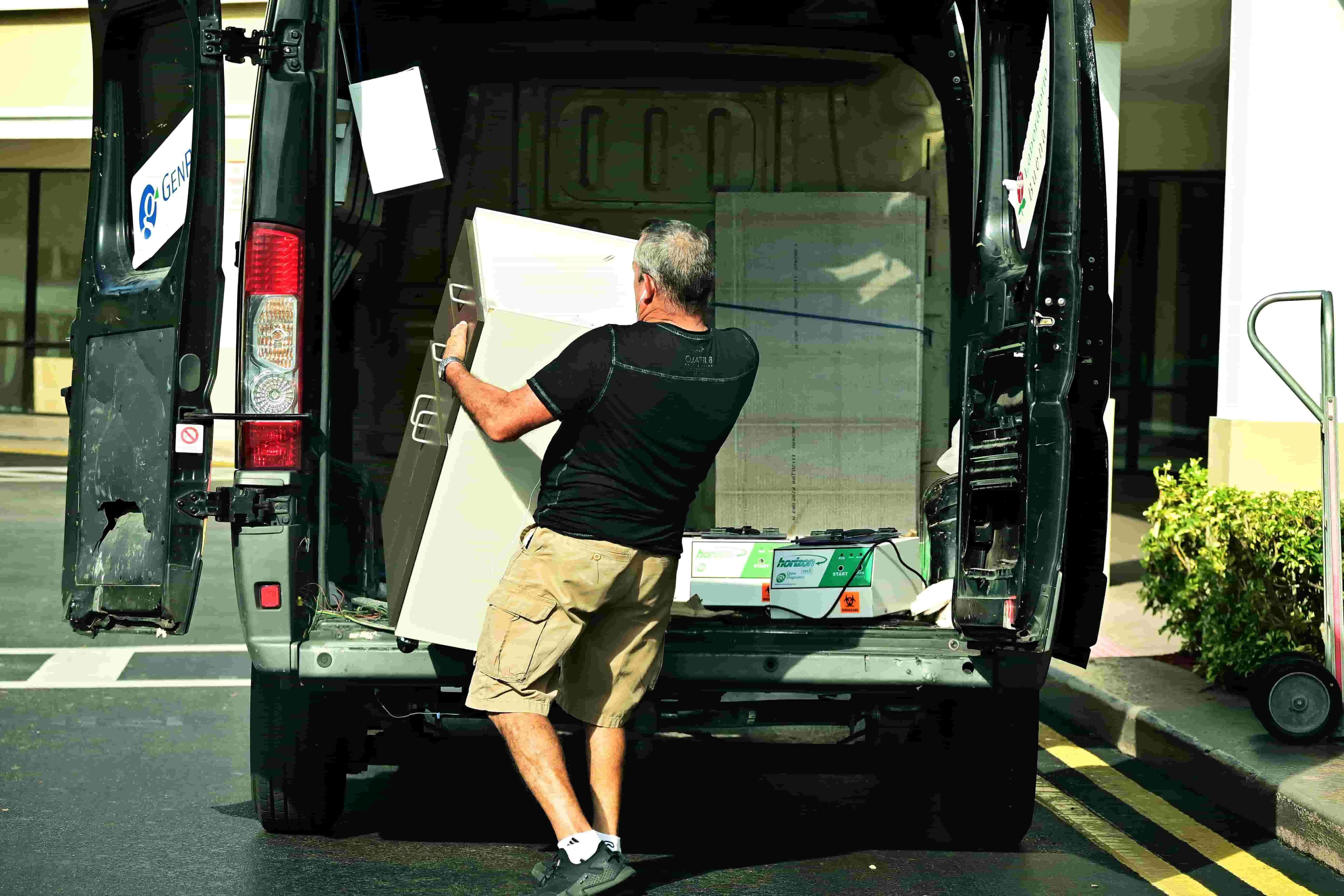
Commercial Auto Insurance: Why Personal Auto Does Not Cover Business Use
Personal auto policies deny business-use claims. Learn what commercial auto covers, PA minimum limits, HNOA explained, cost by vehicle type, and 8 premium factors, with real data from Insureon, Progressive, and the PA PUC.
Read article →
June 9, 2026
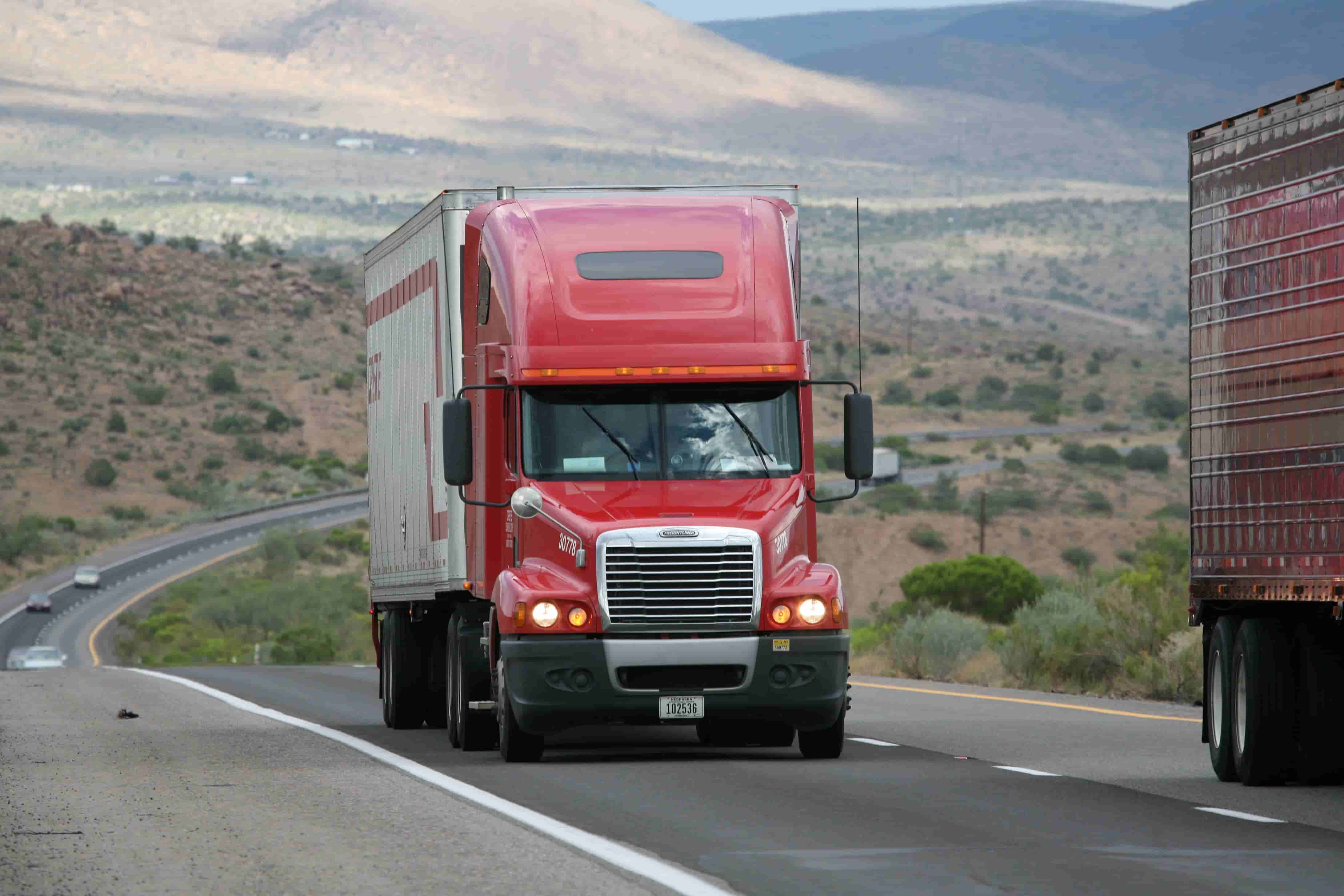
Commercial Trucking Insurance Requirements by State 2026
FMCSA requires $750,000 minimum liability for general freight, $1,000,000 for oil transport, and $5,000,000 for hazmat. Dragon helps owner-operators meet federal and state filing requirements in PA, TX, VA, MD, OH, TN, and KY.
Read article →

May 5, 2026
General Liability Insurance for Small Businesses: What It Covers and Why Contracts Require It
General liability insurance is the foundation of every business insurance program. Learn what it covers, what it does not, and how much it costs for your industry.
Read article →