Loading
Preparing your coverage insights...
Our Locations
Loading
Preparing your coverage insights...
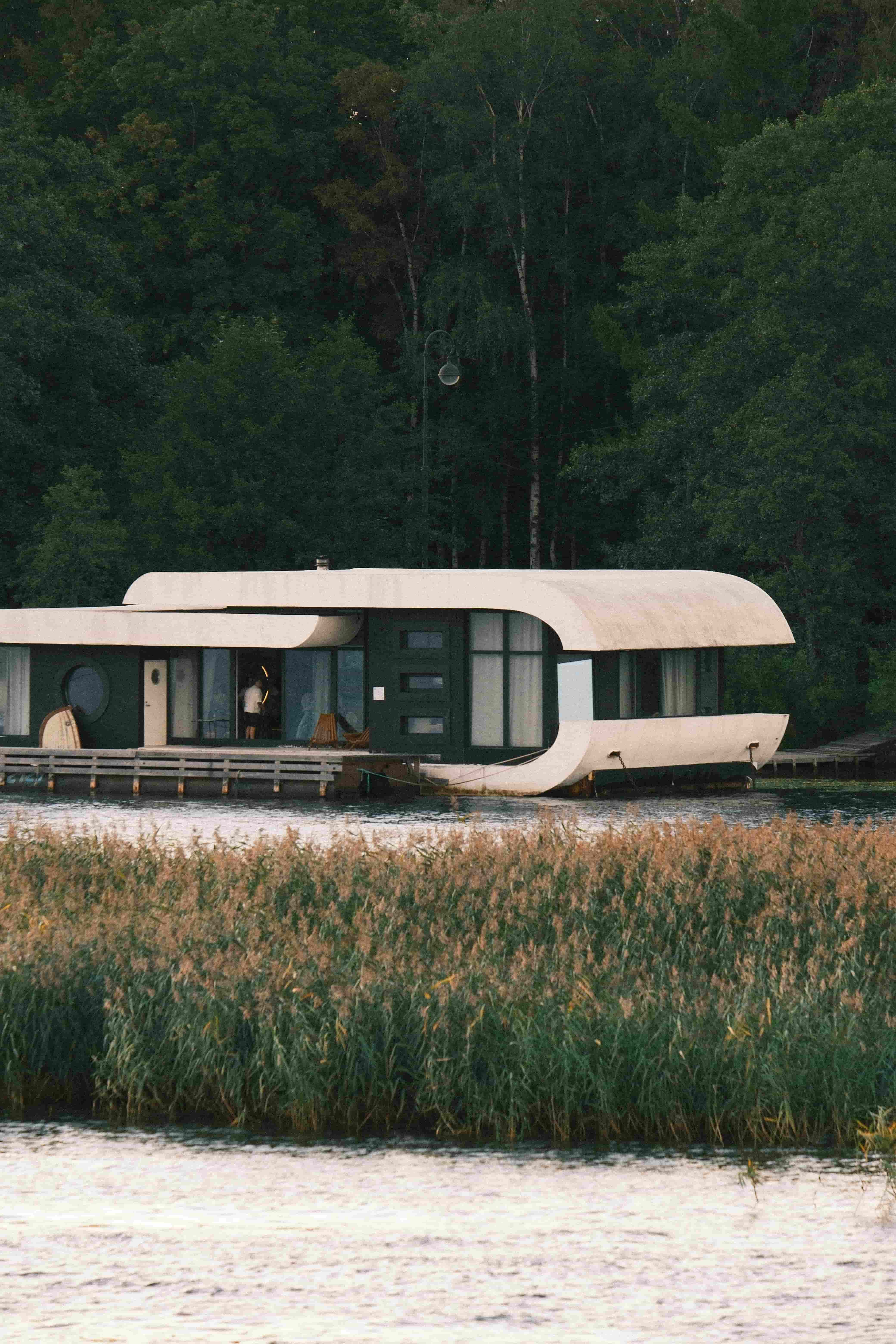
Protect your manufactured or mobile home with coverage for the home, your belongings, and liability - designed for how you live.
Licensed in PA, TX, VA, MD, OH, TN & KY only. Quotes available for these states.
Quick Answer
Manufactured homes built to HUD code are typically insured under an HO-7 policy, not the standard HO-3 form used for site-built homes. Dwelling coverage repairs or rebuilds the structure itself after a covered loss like fire, wind, lightning, or vandalism.
Your home's anchoring system is part of what a carrier underwrites, not an afterthought. Singlewide homes generally need diagonal and vertical ties, doublewide homes need diagonal ties, and coverage assumes your anchoring meets the applicable HUD standard for your wind zone.
Whether your home sits on a pier-and-beam setup, a permanent foundation, or another approved system changes how a carrier prices and writes the policy. We confirm your foundation type up front so the coverage you're quoted actually applies when you need it.
Covers detached sheds, garages, carports, decks, and fences on your property, typically at a sub-limit around 10 percent of your dwelling coverage. If you have added a larger outbuilding since your last renewal, tell us so the sub-limit still reflects what you actually have on the property.
Protects belongings inside the home, including furniture, electronics, clothing, and appliances, against the same covered perils as the dwelling itself. High-value items like jewelry, firearms, and collectibles typically carry sub-limits and can be scheduled separately for full protection.
Covers legal defense and medical costs if a visitor is injured on your property or you're found responsible for damage to someone else's property. This extends to incidents both on your lot and, in many cases, away from home as well.
Pays for temporary housing, meals, and related costs if a covered loss makes your home unlivable while it's repaired or rebuilt, so a fire or storm loss does not also mean an unexpected hotel bill.
Most carriers let you choose actual cash value, which pays depreciated value, or replacement cost, which pays what it actually costs to replace your home and belongings today. That gap matters more for manufactured homes than for most site-built ones, since factory-built components can depreciate faster.
Why You Need It
On a financed site-built home, a mortgage lender requires insurance and checks every year that a policy stays active. Many manufactured home owners never have that check. Some own the home outright, some financed it as personal property rather than real estate, and some inherited it, so there is no bank forcing the issue. That gap shows up in the numbers: according to a 2024 Consumer Federation of America report, over 35% of manufactured home owners carry no insurance at all, compared to 7.4% of site-built homeowners. Without a lender requiring proof of coverage, it is easy to let a policy lapse or skip it entirely and assume nothing will happen. The risk is not hypothetical. A manufactured home depends on proper tie-downs and anchoring to withstand wind events, and a fire, storm, theft, or liability loss with no insurance behind it means paying out of pocket to repair or replace the home, replace your belongings, and cover a claim if someone is hurt on the property. For an owner who holds the home free and clear, an uninsured loss does not just cost money, it can remove the home entirely with no financial backstop to rebuild or replace it. Dragon Insurance Services works with carriers that write HO-7 policies specifically for HUD-code manufactured housing, so owners who want protection do not have to settle for a standard homeowners carrier that will not write the risk correctly, or go without.
Owners who want a lower premium and accept a depreciated payout on the home and belongings.
Owners who want to rebuild or replace without a depreciation penalty.
Owners who want higher limits and broader protection.
Owners protecting a newer home, multiple structures, or higher-value belongings.
Tina Paw
“I had a great experience with my insurance agent. Bimal was very helpful and answered all the questions I have. He make changing home insurance very easy and took care of everything for me. Thanks.”
Deepak Subedi
“Very helpful associates. I worked with Bimal to get my insurance for my home and car and the process was smooth.”
Home age and HUD compliance date
Homes built after June 15, 1976 meet HUD code and are far easier to place with standard manufactured home carriers. Older, pre-HUD homes face a limited market and typically qualify only for actual cash value coverage.
Tie-down and anchoring condition
Properly anchored homes with updated, certified tie-down systems are eligible for better rates and broader coverage. Outdated or inadequate anchoring can mean higher premiums or a reduced settlement on a wind claim.
Skirting condition
Skirting protects the underside of the home and its utilities. Damaged, missing, or neglected skirting is one of the first things an inspector notes and can affect eligibility.
Location and wind zone exposure
HUD Wind Zone I, II, or III reflects the wind design standard your home was built to. Homes in higher wind zones, along the coast, or in tornado-prone areas generally cost more to insure.
Foundation type
Pier-and-beam setups, permanent foundations, and other approved systems are underwritten differently, and some carriers price permanently affixed homes more favorably.
Home size and construction
Singlewide, doublewide, and triple-wide homes carry different replacement costs, which drives both the dwelling coverage amount and the premium.
Prior claims history
Past claims, especially wind or water claims, can affect your rate and which carriers are willing to offer coverage.
Occupancy type
Primary residence, rental, or seasonal use changes underwriting. Year-round primary residences are generally the easiest to place.
Coverage amount and deductible
Higher dwelling limits and lower deductibles raise premium. Choosing replacement cost over actual cash value also increases cost but closes the depreciation gap.
Safety features
Smoke detectors, fire extinguishers, and monitored alarm systems can lower your premium with most carriers.
Credit-based insurance score
May impact pricing depending on state regulations and carrier rules.
Bundling discounts
Combining manufactured home coverage with an auto policy on the same carrier can reduce your combined premium.
Yes. Manufactured homes built to HUD code standards are typically insured under an HO-7 policy form, not the HO-3 form used for site-built homes. Carriers that specialize in this coverage underwrite the risk differently, accounting for foundation type, year of manufacture, and anchoring status. Standard homeowners carriers may not be available or may exclude manufactured homes entirely. We match your home to a carrier with the right policy form for your setup.
Yes. Other structures coverage typically covers detached sheds, garages, carports, and fences on your property. The standard sub-limit is 10 percent of your dwelling coverage. If you have a newer or larger outbuilding, verify the sub-limit is sufficient and ask about increasing it, since the added cost is usually modest.
No. Standard manufactured home policies exclude flood damage, the same as standard homeowners policies. If your home is in a flood-prone area, near a creek, river, or low-lying zone, a separate flood policy through the NFIP or a private flood carrier fills that gap. We can help you evaluate your flood risk and compare options.
Yes. Manufactured homes on leased land in a park are insurable. The main difference is that land coverage is not included; only the home and your belongings are covered. Some carriers also offer liability coverage that extends to your leased lot. We confirm carrier eligibility for your specific park location and setup before binding.
Most quotes are ready within 1 to 2 hours once we have the home details: year, make, model, serial number, foundation type, square footage, and current condition. More complex homes or unique setups, such as older homes, non-standard foundations, or rural locations, may take slightly longer due to carrier underwriting requirements. Call us at 717-229-5115 to start.
Yes. Many carriers that write manufactured home policies also offer multi-policy discounts when you bundle with auto insurance. Discounts typically run 5 to 15 percent on the combined premium. We compare bundled and unbundled totals side by side to confirm the bundle is actually the cheaper option for your specific vehicles and home.
Standard policies have sub-limits on high-value categories. Jewelry is often capped at $1,500 to $2,500, with firearms and collectibles at similar levels. If you own items worth more than these sub-limits, scheduling them individually provides agreed-value protection and typically adds coverage for mysterious disappearance, which standard coverage excludes.
Occupancy type matters significantly for underwriting. Seasonal or vacation homes carry different risk profiles than primary residences, and many standard carriers exclude or restrict coverage for homes not occupied year-round. Rental properties require a landlord or dwelling fire policy rather than a personal homeowners form. We identify the correct policy type for your occupancy before binding.
Actual cash value pays the depreciated value of your home and belongings at the time of loss, so an older roof or an older appliance pays out less than it cost to buy. Replacement cost pays what it actually costs to repair or replace the item today, with no deduction for age or wear. Replacement cost carries a higher premium but is the option most manufactured home owners choose, since factory-built components can depreciate faster than site-built ones.
This is one of the most common and least understood claim issues in manufactured housing. If a carrier discovers at claim time that your home's anchoring did not meet the HUD standard for your wind zone, it can reduce or deny the wind portion of your claim. We verify anchoring compliance during the quoting process, before severe weather season, so a gap does not surface for the first time on a claim.
According to a 2024 Consumer Federation of America report, over 35% of manufactured home owners carry no insurance at all, compared to 7.4% of site-built homeowners. Much of that gap comes down to there being no mortgage lender requiring proof of coverage each year, since many manufactured homes are owned free and clear or financed as personal property rather than real estate. Without that outside check, coverage is easy to let lapse, even though the home is often the owner's largest asset.
Quote Support
Submit your details and an advisor will reach out soon.
Prefer to talk now? Tap to call and we’ll guide you through the next steps.
Contact Us
Tell us a bit about what you need and we will respond as soon as possible.
Local Coverage
Dragon Insurance Services is an independent insurance agency at our Camp Hill location at 1525 Cedar Cliff Dr STE 202, Camp Hill, PA 17011. We help manufactured and mobile home owners in Cumberland County and across Pennsylvania, Texas, Virginia, Maryland, Ohio, Tennessee, and Kentucky compare quotes from carriers that specialize in this coverage.
Manufactured home insurance uses different policy forms than standard homeowners coverage. We match your home to the right carrier and confirm your setup, foundation type, and occupancy qualify before binding. Call us at 717-229-5115 or request a quote online and we typically respond within 1 hour.
Locally based in Camp Hill, PA serving clients across Pennsylvania, Texas, Virginia, Maryland, Ohio, Tennessee, and Kentucky.
Blog
Manufactured home insurance guidance, HUD-code coverage, and state-specific information for PA, TX, VA, MD, OH, TN, and KY.
May 9, 2026
Manufactured Home Insurance: Why Over 35% of Owners Go Uninsured
Over 35% of manufactured home owners carry no insurance at all. Learn what HO-7 covers, how HUD Wind Zones affect your carrier options, what pre-HUD homes require, and what coverage costs across PA, TX, VA, MD, OH, TN, and KY.
Read article →
May 1, 2026
Homeowners Insurance Guide What It Covers, What It Costs, and How to Save
Two-thirds of U.S. homes are underinsured. Learn what an HO-3 covers, how RC vs. ACV can cost you thousands on a roof claim, and how PA homeowners compare to the national average.
Read article →
July 13, 2026
Why Are Home Insurance Rates Rising in 2026?
Home insurance rates are rising nationwide, with Virginia and Pennsylvania among the hardest hit. See what is really driving 2026 increases and the discount levers you control regardless of carrier.
Read article →