Loading
Preparing your coverage insights...
Our Locations
Loading
Preparing your coverage insights...
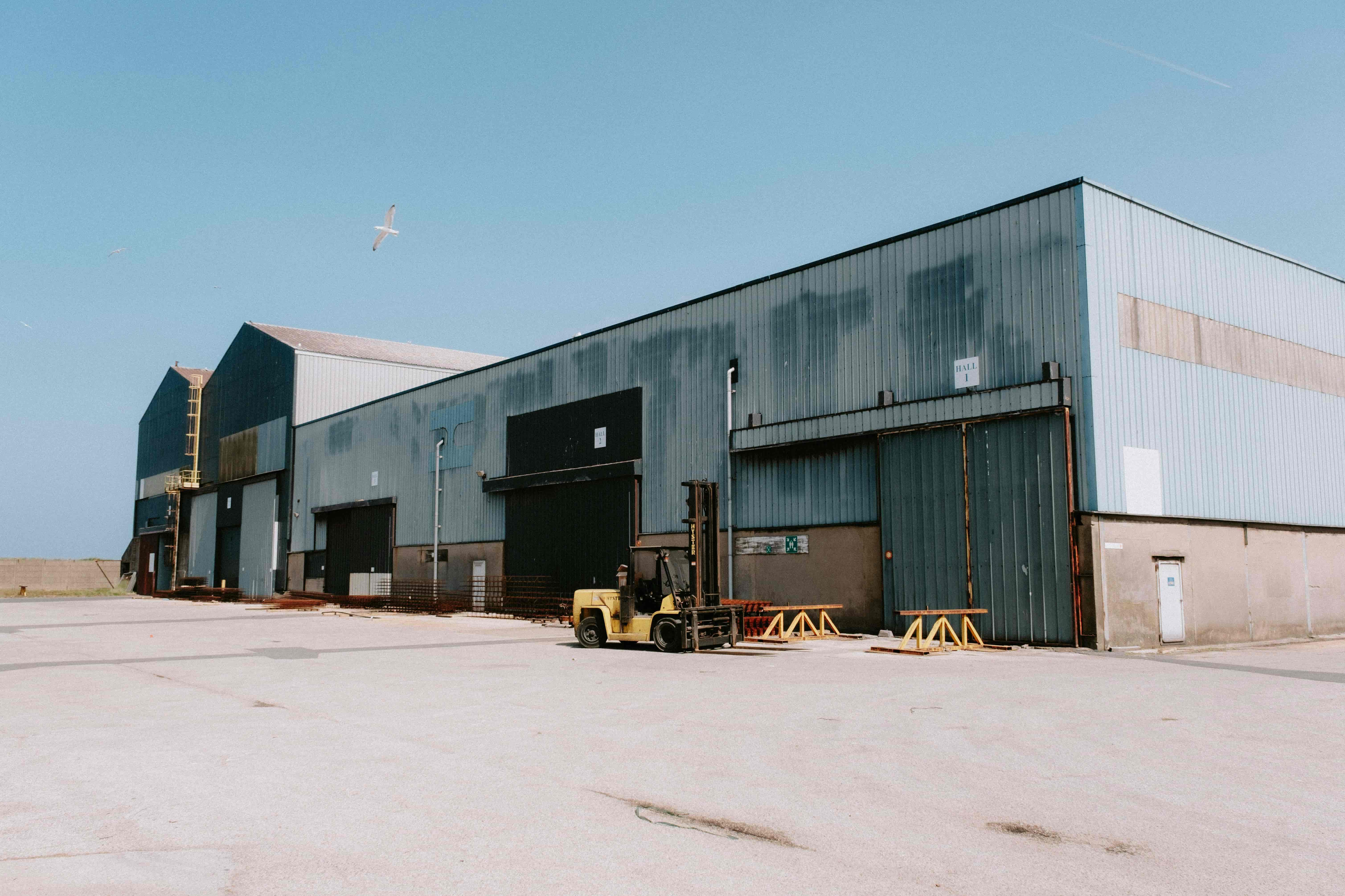
Protect your building, equipment, and business assets from unexpected events like fire, storms, theft, or vandalism.
Licensed in PA, TX, VA, MD, OH, TN & KY only. Quotes available for these states.
Quick Answer
Pays to repair or rebuild the physical structure you own, including permanently attached fixtures, built-in equipment, and foundations, after a covered loss like fire, windstorm, or a vehicle striking the building.
Covers the equipment, furniture, computers, tools, and inventory your business owns or uses, whether the loss happens on your premises or, with the right endorsement, at a job site or in transit.
Pays to repair or replace boilers, HVAC systems, electrical panels, and other mechanical or electrical equipment that fails from an internal cause like a power surge or motor burnout, a cause standard property forms exclude.
Replaces the net income and continuing fixed expenses, such as payroll, rent, and loan payments, you lose while your location is closed for repairs after a covered loss, plus the extra cost of relocating temporarily to keep operating.
For owners who lease space to tenants, replaces the rental income you lose while a unit sits unusable after a covered loss, so a fire in one bay does not wipe out income across the whole property.
Pays the added cost of rebuilding to current building codes, such as upgraded fire suppression or accessibility requirements, when your building was constructed under older codes and a covered loss triggers a code upgrade.
Covers renovations you made to a leased space, such as custom flooring or a commercial kitchen buildout, since your landlord's policy will not cover improvements you paid for and installed.
Covers the cost to research, replace, or restore business records, contracts, and data that are damaged or destroyed in a covered loss, whether they are stored on paper or on a server on site.
Covers fences, signs, landscaping, and other property located outside the building, typically subject to a lower sublimit and a narrower set of covered causes of loss than the building itself.
Covers business personal property, and in some cases money and securities kept on premises, that is stolen in a burglary or robbery, subject to your policy's theft sublimit.
Pays to clear debris left behind after a covered loss, such as fire-damaged materials or storm debris, a cost that is often billed separately from the base repair and can be limited if not carried at an adequate sublimit.
Reimburses a fee some municipal fire departments charge for responding to a fire at your property, a cost many business owners do not expect until the invoice arrives.
Why You Need It
Picture a burst pipe overnight in your commercial kitchen or office. By the time someone opens up the next morning, water has ruined the flooring, drywall, electrical wiring, and thousands of dollars of inventory or equipment. Picture instead a fire that starts in the unit next to yours in a strip mall and spreads before the fire department arrives, or a break-in that clears out your stockroom over a long weekend. In every one of these situations the damage is real, the replacement cost is real, and your doors may need to stay closed while repairs happen. Without commercial property insurance, you pay for cleanup, repairs, and replacement equipment entirely out of pocket, on top of the income you lose while you cannot operate. Most commercial leases require tenants to carry property coverage on their own improvements, equipment, and inventory, and nearly every mortgage lender requires a building owner to insure the property to at least the outstanding loan balance, since the building itself is the lender's collateral. Carrying commercial property insurance keeps you in compliance with your lease or loan terms and turns a covered loss into a claim you file with your carrier instead of a bill you absorb alone. When a loss does happen, having the right coverage in place from day one means an adjuster can start processing your claim immediately instead of you first scrambling to find a policy that fits. Request a quote and we will confirm the coverage your lease or lender requires before you commit to a policy.
Small retail shops, offices, and single-location businesses with modest equipment needs.
Growing businesses with real equipment, inventory, and income exposure.
Larger operations, higher-value buildings, or businesses with multiple locations.
Building owners who lease space to tenants.
Prem Khawas
“Dragon Insurance Services is the best insurance agency in Harrisburg, PA! They helped me save money while making sure I had the right coverage for my needs. The team is professional, knowledgeable, and always takes the time to explain my options without any pressure. Their customer service is outstanding, and they genuinely care about finding the best policy for their clients. I highly recommend Dragon Insurance Services to anyone looking for affordable insurance and excellent service!”
Subash Rai
“Great price. One of the best agency to explain me my coverage and finding me the policy that fit my need. Thank you Dragon Insurance and agent Manju for helping me out. You guys are best.”
Construction type
Frame, joisted masonry, non-combustible, and fire-resistive construction each carry a different insurance rating class. Steel and masonry buildings are generally cheaper to insure than wood-frame construction because they hold up better in a fire.
Building age and condition
Older buildings with outdated electrical, plumbing, or roofing pay more. Updating those systems is one of the most effective ways to lower your premium.
Location and catastrophe exposure
Properties in flood zones, wildfire-prone areas, or regions with frequent hail and wind events pay more, and some carriers apply separate wind or hail deductibles in higher-risk counties.
Protective safeguards
Automatic sprinkler systems, a central-station fire alarm, and updated fire suppression equipment can move a building into a better protection class and lower your premium.
Security systems
Monitored burglar alarms, cameras, and access control reduce theft exposure and can qualify your business for premium credits.
Occupancy and business type
A restaurant with a commercial kitchen, a woodworking shop, or a business storing flammable materials carries more fire risk than a professional office, and rates reflect that hazard class.
Building value and coverage limit
Higher replacement cost and business personal property limits raise your premium directly, so an accurate valuation, not a guess, keeps you from overpaying or being underinsured at claim time.
Deductible level
Raising your deductible, for example from $1,000 to $5,000 or $10,000, can meaningfully lower your premium if your business can absorb smaller losses without filing a claim.
Claims history
Prior property claims, especially fire or water damage, raise premiums and can make some carriers unwilling to quote your business.
Coverage valuation method
Insuring at replacement cost costs more upfront than actual cash value but pays claims in full with no deduction for depreciation, which is why most lenders require replacement cost coverage on a mortgaged building.
Vacancy status
Vacant or partially vacant buildings carry higher theft and vandalism risk, and most standard policies limit or exclude coverage once a property sits vacant beyond 60 consecutive days unless you add a vacancy endorsement.
Yes, when you add business income coverage, which many policies include or offer as an endorsement. It replaces the net income and continuing fixed expenses, such as rent, loan payments, and payroll, that you lose while your location is closed for repairs after a covered loss like a fire or windstorm. Coverage typically starts after a short waiting period, often 72 hours, and continues for the actual time it takes to rebuild, up to your policy's limit.
No. Flood and earthquake are both excluded from standard commercial property policies and require a separate policy or endorsement. If your building sits in or near a flood zone, we can help you evaluate NFIP and private flood options alongside your commercial property quote.
Once we have your building details, occupancy, and desired coverage amount, most quotes come back the same business day. Older buildings, higher-value properties, and locations that need an inspection can take longer while the carrier verifies construction and protection details. Call our office or submit the quote form on this page and we will confirm your timeline after reviewing your property.
Yes. As a tenant, you can insure the improvements you made to the space, your business personal property, and your equipment, even though you do not own the building. Your lease will typically spell out what coverage you are required to carry, and we can structure a policy that satisfies those lease requirements.
We can schedule multiple locations on a single commercial property policy, often at a better combined rate than insuring each location separately. Blanket limits let you apply your total coverage across locations instead of a fixed amount per building, which helps if one location holds more value than the others at any given time.
Not automatically. Standard commercial property forms exclude mechanical and electrical breakdown, so equipment breakdown coverage is added as an endorsement. It pays to repair or replace boilers, HVAC systems, electrical panels, and similar equipment that fails from an internal cause like a power surge, which a standard fire or windstorm claim would not cover.
It depends how your policy is written. We can structure your business personal property coverage, including inventory, at replacement cost so a covered loss pays what it costs to replace your inventory with no deduction for depreciation, rather than actual cash value, which pays less as your inventory ages.
Outdoor property such as signs, fencing, and landscaping is typically covered under a commercial property policy, but usually at a lower sublimit than the building itself and for a narrower set of causes of loss. If you have a large or expensive sign, ask us to confirm the sublimit covers its full replacement cost.
Coinsurance is a policy requirement, typically 80, 90, or 100 percent, that you must insure your property to at least that share of its full replacement value. Fall short and a partial claim gets reduced proportionally. For example, on a $500,000 building with an 80 percent requirement, you must carry at least $400,000; carrying only $300,000 on a $100,000 loss would pay $75,000 instead of the full amount.
A Business Owner's Policy (BOP) bundles commercial property insurance with general liability coverage at a discounted combined rate, and is designed for small to mid-size businesses, generally under about $6 million in annual revenue. Standalone commercial property insurance is purchased on its own and works for businesses of any size, including those that do not qualify for a BOP.
Replacement cost pays what it costs to replace damaged property with new property of similar kind and quality, with no deduction for depreciation. Actual cash value (ACV) pays replacement cost minus depreciation, so the payout shrinks every year your equipment ages. On $300,000 of equipment with 50 percent depreciation, ACV would pay about $150,000 while replacement cost would pay the full $300,000.
Named perils policies (Basic and Broad form) only cover causes of loss specifically listed in the policy, and Basic form does not cover a burst pipe. Special form, also called open perils, covers every cause of loss except what is specifically excluded in writing, so the insurer must prove an exclusion applies rather than you having to prove the loss fits a listed peril. Most businesses are better protected under special form.
Yes. As the building owner, your policy needs to cover the structure itself, common areas, and any income you collect from tenants, so a fire or storm that empties a unit does not also empty your bank account while it sits vacant for repairs. Tenants generally only need to cover their own improvements, equipment, and inventory inside the space they lease. We can quote either side, or both if you own the building and also operate a business inside it.
Premiums are based mainly on the replacement value of your building and business personal property, then adjusted for construction type, business occupancy, location and fire protection class, building age and condition, sprinkler and security systems, deductible level, and claims history. An independent agent can compare rates across multiple carriers for your specific property.
Quote Support
Submit your details and an advisor will reach out soon.
Prefer to talk now? Tap to call and we’ll guide you through the next steps.
Contact Us
Tell us a bit about what you need and we will respond as soon as possible.
Blog
Commercial property insurance guidance, coverage types, and ways to protect your business assets.
July 2, 2026
Retail Store Insurance: What It Covers and What It Costs in 2026
A plain-language breakdown of what retail store insurance actually covers, what it costs in 2026 according to published industry data, and the theft, slip-and-fall, and liquor liability risks Pennsylvania retailers need to plan for.
Read article →

May 5, 2026
General Liability Insurance for Small Businesses: What It Covers and Why Contracts Require It
General liability insurance is the foundation of every business insurance program. Learn what it covers, what it does not, and how much it costs for your industry.
Read article →

June 7, 2026
biBerk vs CNA and Hiscox: Which Fits Your Small Business
biBerk is owned by Berkshire Hathaway (A++ AM Best). Great for simple small business risks; limited for complex contractors and trucking. Dragon compares biBerk against Hiscox, CNA, Coterie, and Thimble. Get a free quote to see rates for your situation.
Read article →