
Loading
Preparing your coverage insights...
Our Locations
Loading
Preparing your coverage insights...
If your business uses vehicles or employees drive their personal cars for work you need commercial auto coverage. Learn PA state minimums, HNOA coverage, cost by vehicle type, and the 8 factors that drive your premium.
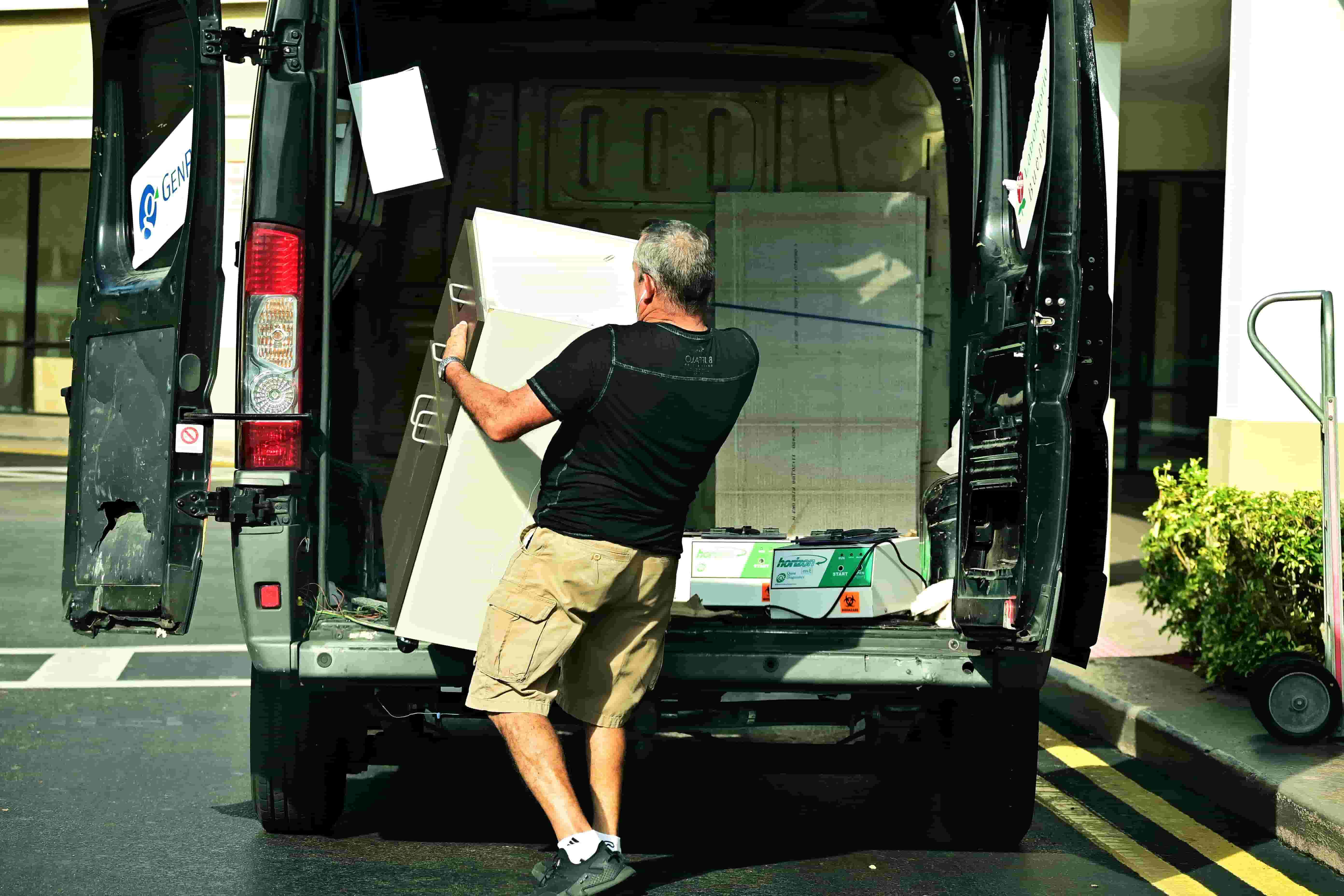
A plumber finishes a job, backs out of a client's driveway in his personal truck, and clips a parked car. His personal auto insurer denies the claim: the truck had tools and materials in the bed, he was being paid for that job, and the policy specifically excludes business use. He is now personally liable for repairs, legal fees, and any injury claim that follows. According to the Insurance Information Institute, standard personal auto policies explicitly exclude vehicles used to carry goods or passengers for compensation, and the exclusion applies the moment the trip has a commercial purpose, not only when the vehicle is company-owned.
Key takeaways
Commercial auto insurance is a policy that covers vehicles used for business purposes, providing liability, collision, comprehensive, and related coverages specifically designed for commercial operations. It covers company-owned vehicles, employer liability when employees drive their personal vehicles for work errands, and vehicles rented or borrowed for business use. Unlike a personal auto policy, a commercial policy can cover multiple drivers (including all authorized employees), higher liability limits suited to business exposure, and vehicle types, from passenger cars to cargo vans and box trucks, that personal policies typically exclude or strictly limit.
Dragon Insurance Services helps businesses across Pennsylvania, Texas, Virginia, Maryland, Ohio, Tennessee, and Kentucky find commercial auto coverage matched to their fleet and operations. Explore our business insurance options or read on for the complete guide.
Most personal auto policies follow the Insurance Services Office (ISO) Personal Auto Policy form, which excludes coverage in four specific situations. The exclusion language is typically written as: “We do not provide Liability Coverage for any insured using a vehicle without reasonable belief that that insured is entitled to do so, or for the ownership, maintenance, or use of a vehicle while it is being used as a public or livery conveyance.” In plain English, four triggers cut off your personal coverage:
1. The vehicle is owned by a business
If a vehicle is titled to an LLC, corporation, or partnership, a personal auto policy will not cover it, period. Company-owned vehicles require a commercial policy regardless of what they are used for. A contractor who puts his work truck in his LLC's name and keeps it on his personal policy has a coverage gap that a denied claim will reveal at the worst possible moment.
2. Regular use for deliveries or transporting goods for pay
Food delivery drivers, couriers, and anyone transporting goods for compensation are specifically excluded under the “public or livery conveyance” clause. This applies whether you drive for a restaurant, a catering company, or operate your own delivery service. Even a single paid delivery trip can trigger the exclusion at the moment of a claim.
3. Transporting clients or passengers for compensation
Real estate agents who drive clients to property showings, shuttle service operators, and anyone paid to transport passengers face this exclusion. A rideshare driver who activates the app but has not yet been matched to a ride is in a gray zone most personal policies no longer cover. TNC (transportation network company) endorsements exist for this specific scenario.
4. Vehicle weight, DOT regulation, or interstate routes
Vehicles over 10,001 lbs gross vehicle weight are typically outside personal auto policy territory entirely. Vehicles that cross state lines for commercial purposes fall under FMCSA jurisdiction. Once a DOT number is required, so is a commercial auto policy with limits that meet federal financial responsibility standards.
The practical takeaway: if you are being paid, for the trip, the delivery, the service call, or the cargo, assume your personal policy does not apply. The cost of a commercial policy is small compared to the cost of a six-figure liability judgment with no coverage behind it.
Liability, bodily injury and property damage
Covers your legal and financial obligation when your business vehicle injures someone or damages their property. Required by law in every state we serve. Personal policies typically offer limits of $100,000–$300,000. Commercial policies commonly write at $500,000 or $1,000,000 combined single limit, because business vehicles are on the road more often and carry greater exposure. Most commercial contracts and clients will require at least $500,000 CSL as a condition of doing business.
Collision coverage
Pays to repair or replace your business vehicle after a collision with another vehicle or object, regardless of fault. If your delivery van is rear-ended and out of service for two weeks, collision coverage funds the repair. If you finance or lease the vehicle, the lender will require it. If you own the vehicle outright, weigh the vehicle's replacement value against the deductible and premium.
Comprehensive coverage
Covers non-collision losses, theft, vandalism, fire, hail, flooding, and hitting an animal. Particularly valuable for vehicles stored overnight in high-theft areas, service trucks with expensive tools in the bed, and fleets parked in open lots. Comprehensive is generally inexpensive relative to the coverage it provides and is strongly recommended for vehicles valued above $15,000.
Uninsured and underinsured motorist (UM/UIM)
Covers your vehicle and employees when struck by a driver who has no insurance or inadequate limits. Pennsylvania requires that UM/UIM coverage be offered to all commercial policyholders. Especially critical for delivery drivers and field technicians who accumulate high annual mileage, the more miles driven, the higher the statistical chance of encountering an uninsured driver.
Medical payments (MedPay) and Personal Injury Protection (PIP)
MedPay covers medical expenses for the driver and passengers after an accident, regardless of fault. PIP (required in Pennsylvania as a choice no-fault state) adds wage replacement and essential services. For employee injuries sustained while driving a company vehicle, your workers compensation policy is the primary coverage. MedPay acts as a supplement for occupants who are not employees.
Hired and non-owned auto (HNOA)
This is the coverage most small businesses miss entirely. HNOA covers your business's liability when employees use their personal vehicles for work, picking up supplies, driving to a client site, running a company errand or when your business rents a vehicle. The employee's personal policy is primary, but if that policy denies the claim or is exhausted, HNOA steps in to protect your business. It does not cover physical damage to the employee's own vehicle. A full explanation of HNOA follows in the next section.
The most common and costly commercial auto mistake is assuming a personal policy covers business use. Here is exactly how the two policy types differ across six dimensions that matter most at claim time:
Figures below are general industry estimates. Not Dragon Insurance quotes. Call 717-229-5115 for your actual rate.
| Feature | Personal Auto | Commercial Auto |
|---|---|---|
| Who can drive | Named insured and household members only | Any authorized employee with a valid license |
| Business use coverage | Excluded or strictly limited, claim denial risk is high | Specifically designed and priced for business operations |
| Vehicle ownership | Personal vehicles only; company-owned vehicles require commercial | Company-owned, leased, hired, and non-owned vehicles |
| Liability limits | Typically $100K–$300K per accident | $500K–$1M+ CSL standard for most small businesses |
| Average monthly premium | $100–$200/month (personal vehicle, clean record) | $147–$245/month per vehicle (small business average) |
| Claim denial risk | High, business use exclusion applies even to one-time business trips | Low, policy is built for business use and covers all authorized drivers |
HNOA coverage is the single most overlooked commercial auto protection for small businesses that do not own a company vehicle. If your employees run business errands in their own cars driving to a client, making a supply run, picking up equipment, your business is exposed to liability the moment they cause an accident. HNOA closes that exposure.
What HNOA covers
What HNOA does NOT cover
HNOA is typically added as an endorsement to your general liability policy, your Business Owner's Policy (BOP), or as a standalone commercial auto endorsement. According to Insureon, HNOA coverage for $1 million in protection typically costs $150–$300 per year, one of the lowest-cost, highest-value endorsements in commercial insurance. Any business whose employees drive to client sites, make deliveries, or run business errands should carry it.
Pennsylvania sets different minimum liability requirements depending on the vehicle's weight and commercial use. The personal auto minimums (15/30/5) that most people know do not apply to commercial operations. Here is what actually applies, per the Pennsylvania Public Utility Commission:
| Vehicle / Operation Type | PA Minimum Required |
|---|---|
| Light commercial vehicle (intrastate, under 10,000 lbs) | $15,000/$30,000 BI / $5,000 PD |
| Property carrier, vehicle over 10,000 lbs (intrastate) | $300,000 per accident |
| Passenger carrier, under 16 passengers (for-hire) | $35,000 total minimum |
| Passenger carrier, 16–28 passengers | $1,000,000 |
| Passenger carrier, over 28 passengers | $5,000,000 |
| Interstate general freight (FMCSA-regulated) | $750,000 minimum (general) to $5M (hazmat) |
Even where the state minimum is technically $15,000/$30,000, most commercial clients and landlords require certificates of insurance showing at least $500,000 CSL. Meeting the legal minimum is not the same as being commercially insurable. Most businesses should carry at minimum $500,000 and consider $1 million for any operation with high mileage or public exposure.
If your business operates heavy trucks in interstate commerce, see our dedicated guide on commercial trucking insurance, which covers FMCSA filings, cargo coverage, and the MCS-90 endorsement in detail.
Commercial auto and commercial trucking are distinct lines of coverage, understanding where one ends and the other begins keeps you from buying the wrong policy.
Commercial auto insurance covers:
Commercial trucking insurance covers:
The dividing line is typically vehicle weight and whether you operate under FMCSA motor carrier authority. A roofing contractor with three pickup trucks needs commercial auto. A freight carrier moving goods across state lines in a semi needs commercial trucking insurance with the higher federal minimums. When in doubt, the DOT number requirement is a reliable indicator: if the FMCSA requires one, trucking insurance applies. For the heavier side of that line, see our tow truck insurance guide and our moving company insurance guide, both of which sit right on the commercial auto and trucking boundary.
Not sure which policy your vehicles need?
One call sorts commercial auto, HNOA, and fleet coverage across 30+ carriers.
Tell us what you drive and how you use it. We will tell you which policy actually responds to a claim, and what it costs.
According to Insureon's 2024 data, small businesses have commonly been quoted in the $147–$245/month range per vehicle, with 37% of small business customers receiving quotes under $100/month for light-duty vehicles with clean driver records. The range is wide, vehicle type, use, annual mileage, and driver profiles all drive the final number. Here is a practical cost benchmark by vehicle type, based on Progressive Commercial and Insureon rate data:
| Vehicle / Use Type | Typical Monthly Cost | Key Cost Drivers |
|---|---|---|
| Passenger car / SUV (business use, light duty) | $80–$200/month | Mileage, driver record, zip code |
| Service vehicle (plumber, HVAC, landscaper) | $150–$300/month | Tool cargo, radius of operation, driver history |
| Cargo van / light delivery | $175–$350/month | Higher liability limits, cargo coverage, annual mileage |
| Contractor pickup (general freight, tools) | $200–$400/month | Cargo value, job site access, driver age |
| Box truck / medium-duty freight | $300–$700/month | Cargo liability, weight class, interstate routes |
| Fleet of 5+ vehicles (fleet pricing) | 10–25% below individual rates | Fleet safety record, telematics, bundling discount |
Fleets of five or more vehicles typically qualify for fleet pricing, which saves 10–25% compared to individually rated policies, according to FleetShield. Telematics programs add a further 5–15% reduction for fleets that document clean driving behavior with GPS data.
1. Driver motor vehicle records (MVRs)
A single at-fault accident on a driver's record can raise that vehicle's premium 20–40%. A DUI can make the driver uninsurable with standard carriers. Carriers run MVR checks at every renewal, one new incident on a fleet driver's record affects the entire fleet rate. Annual MVR audits before renewal are one of the highest-leverage cost controls available.
2. Vehicle type and gross vehicle weight
A 2023 Honda CR-V used for client visits costs far less to insure than a 2023 Ford F-350 carrying tools and materials. Heavier vehicles cause more damage in accidents, cost more to repair, and carry higher liability exposure, all of which are reflected in the premium. Specialty vehicles (refrigerated trucks, stake-body trucks) add further complexity.
3. Annual mileage and radius of operation
A vehicle driving 5,000 miles per year within a 50-mile radius carries fundamentally different risk than one doing 80,000 miles per year on interstate highways. Carriers rate this explicitly: local (under 50 miles), intermediate (50–200 miles), and long-haul (over 200 miles). Understating mileage at application voids coverage at claim time.
4. Type of goods or cargo carried
A landscaper hauling mulch is rated differently than a plumber hauling copper piping or a caterer transporting food. High-value cargo, hazardous materials, and food products create specialized liability that carriers price accordingly. Failing to accurately describe cargo at application is a common gap that surfaces at claim time.
5. Coverage limits selected
Moving from $300,000 CSL to $1,000,000 CSL typically increases premium by 15–30% a meaningful but manageable cost for a liability limit that is three times larger. Most contracts, landlords, and commercial clients require $1M minimum. Carrying $300,000 to save $50/month and then losing a client contract over an inadequate certificate is a poor tradeoff.
6. Driver age and experience
Drivers under 25 are statistically involved in more accidents and are priced accordingly. A fleet that adds a 22-year-old driver will see a rate impact across the policy. Some carriers impose minimum driver age requirements for heavier vehicles. Experienced drivers with 5+ years of clean commercial driving records are a meaningful pricing asset.
7. Telematics and GPS tracking
Carriers that offer telematics programs, in which GPS devices monitor speed, hard braking, acceleration, and idle time, typically discount fleets that demonstrate safe behavior by 5–15%. The data also creates a defensible record in the event of a disputed claim. Telematics adoption is growing fastest among food delivery and service businesses where per-stop efficiency and driver behavior data have dual value.
8. Prior claims history
Commercial auto carriers look back three to five years of claims history when underwriting a new policy. A business with two at-fault accidents in three years may face non-renewal by standard carriers and be pushed to the surplus lines market at significantly higher cost. Prompt reporting of accidents, even minor ones, and proactive claim management keep losses and renewal premiums lower.
A note for Nepali and Bhutanese business owners
Within the Nepali and Bhutanese business community across Pennsylvania and neighboring states, several business types involve heavy vehicle use: restaurants making supply runs, cleaning crews driving between client locations, landscaping teams, and catering operations. In the majority of these cases, owners are operating personal vehicles for commercial purposes and relying on personal auto insurance, creating serious uninsured exposure that most owners do not discover until after a claim is denied.
In Nepal and Bhutan, a single auto policy typically covers all uses, the U.S. distinction between personal and commercial auto insurance is not intuitive for someone new to the American system. Driving a personal car to pick up restaurant supplies, transport employees to a job site, or make deliveries is commercial use under U.S. policy language, even if the trip feels like a routine errand. Dragon Insurance audits how vehicles are actually used in your business and corrects coverage gaps before a claim denial puts your business at risk. We speak English, Nepali, and Hindi हामी नेपाली बोल्छौं.
Does commercial auto insurance cover employees driving their own cars?
Not automatically. A standard commercial auto policy covers company-owned vehicles. To cover your business's liability when employees use their personal cars for work, you need hired and non-owned auto (HNOA) coverage, either as an endorsement to your commercial auto, general liability, or BOP policy. HNOA covers the business's liability for third-party injury or damage, not the physical damage to the employee's own vehicle.
What is the minimum commercial auto insurance in Pennsylvania?
It depends on the vehicle and use type. Light commercial vehicles operating within Pennsylvania carry the same minimums as personal vehicles: $15,000/$30,000 bodily injury and $5,000 property damage. Property carriers operating vehicles over 10,000 lbs must carry $300,000 per accident. For-hire passenger carriers carrying 16–28 passengers must carry $1 million. Interstate trucks operating under FMCSA authority must carry $750,000 minimum for general freight. Most businesses should carry significantly more than the minimum $500,000 to $1 million CSL is the market standard for most commercial operations.
Can I add business use to my personal auto policy instead of buying commercial?
Some personal auto carriers offer a “business use” endorsement for light business use, an agent who occasionally drives clients to showings, for example. But this endorsement has significant limitations: it typically does not cover regular deliveries, transporting goods for pay, employees driving the vehicle, or company-owned vehicles. For any business where driving is a core part of operations, a commercial auto policy provides materially better protection and eliminates the ambiguity that leads to denied claims.
Does a BOP include commercial auto coverage?
No. A Business Owner's Policy (BOP) bundles general liability and commercial property coverage, vehicles are explicitly excluded. According to the Insurance Information Institute, BOPs do not cover commercial auto, workers compensation, or professional liability. You need a separate commercial auto policy (or HNOA endorsement) for any vehicle-related risk. Purchasing your commercial auto alongside your BOP from the same carrier can sometimes reduce total premium.
What happens if an employee has an accident in a company vehicle?
Your commercial auto liability coverage responds to third-party bodily injury and property damage claims. The employee's own injuries are covered by your workers compensation policy. Collision coverage pays to repair the company vehicle regardless of fault. The accident will likely affect your renewal premium, prompt reporting, strong documentation, and a consistent driver safety program all help minimize the long-term impact on your rates.
Can I get commercial auto insurance with drivers who have foreign licenses or limited U.S. driving history?
Some carriers will underwrite commercial auto policies for drivers with limited U.S. MVR history, particularly for light-duty vehicles and low-risk operations. Rates are typically higher until U.S. driving history is established. Drivers holding an International Driving Permit should obtain a Pennsylvania or state-specific license as quickly as possible, this both satisfies legal requirements and significantly improves insurability. Dragon Insurance can identify carriers with more flexible underwriting standards for this situation.
How does commercial auto differ from commercial trucking insurance?
Commercial auto covers standard business vehicles, cars, vans, pickup trucks, and light-duty service vehicles. Commercial trucking insurance is a specialized line for for-hire carriers operating heavy trucks, semi-trailers, and vehicles that require FMCSA motor carrier authority and DOT numbers. Trucking policies include the MCS-90 endorsement required for interstate commerce and carry FMCSA-mandated minimums of $750,000–$5,000,000. See our commercial trucking insurance guide for the full breakdown.
Does commercial auto cover tools and equipment in the vehicle?
Standard commercial auto covers the vehicle itself and your liability to others, it does not cover tools, equipment, or inventory inside the vehicle. For theft of tools from a work truck or damage to business equipment in transit, you need either an inland marine (tools and equipment) policy or a commercial property endorsement that extends off-premises. This is a coverage gap that affects nearly every contractor, plumber, and service business operating in the field.
Have your vehicle list (year, make, model, VIN), driver information (name, license number, MVR), and estimated annual mileage ready, we can typically generate a quote within one business day for most small fleets. As an independent agency, we shop multiple carriers to find the best fit for your specific vehicle types, operations, and driver profiles. Visit our commercial auto insurance page for a full coverage breakdown, or call us directly to start your quote today.
Visit us: 1525 Cedar Cliff Dr STE 202, Camp Hill, PA 17011
Serving businesses across Pennsylvania, Texas, Virginia, Maryland, Ohio, Tennessee, and Kentucky.
Last updated: May 2026. Dragon Insurance Services LLC is a licensed independent insurance agency. Coverage availability, terms, limits, and rates vary by carrier, state, vehicle type, and business circumstances. Rate estimates are general market examples from Insureon and Progressive Commercial data and do not constitute a quote. Pennsylvania minimum requirements sourced from the PA PUC and PA Department of Transportation. FMCSA minimums sourced from fmcsa.dot.gov. Contact us for a personalized quote based on your fleet and operations.
Explore Related Coverage
Ready to compare carriers and get a quote?
Dragon Insurance is an independent agency in Camp Hill, PA. We shop 30+ carriers to find your best rate.
Prefer to talk it through?
Get a real quote from a licensed advisor. English, Nepali, and Hindi spoken.
About the Author
Bimal GurungCEO, Agency Principal & Licensed Insurance Agent
Bimal Gurung is CEO and Agency Principal of Dragon Insurance Services, an independent agency in Camp Hill, PA that compares 30+ carriers for clients across Pennsylvania, Texas, Virginia, Maryland, Ohio, Tennessee, and Kentucky.
Meet the Dragon Insurance teamContinue Reading
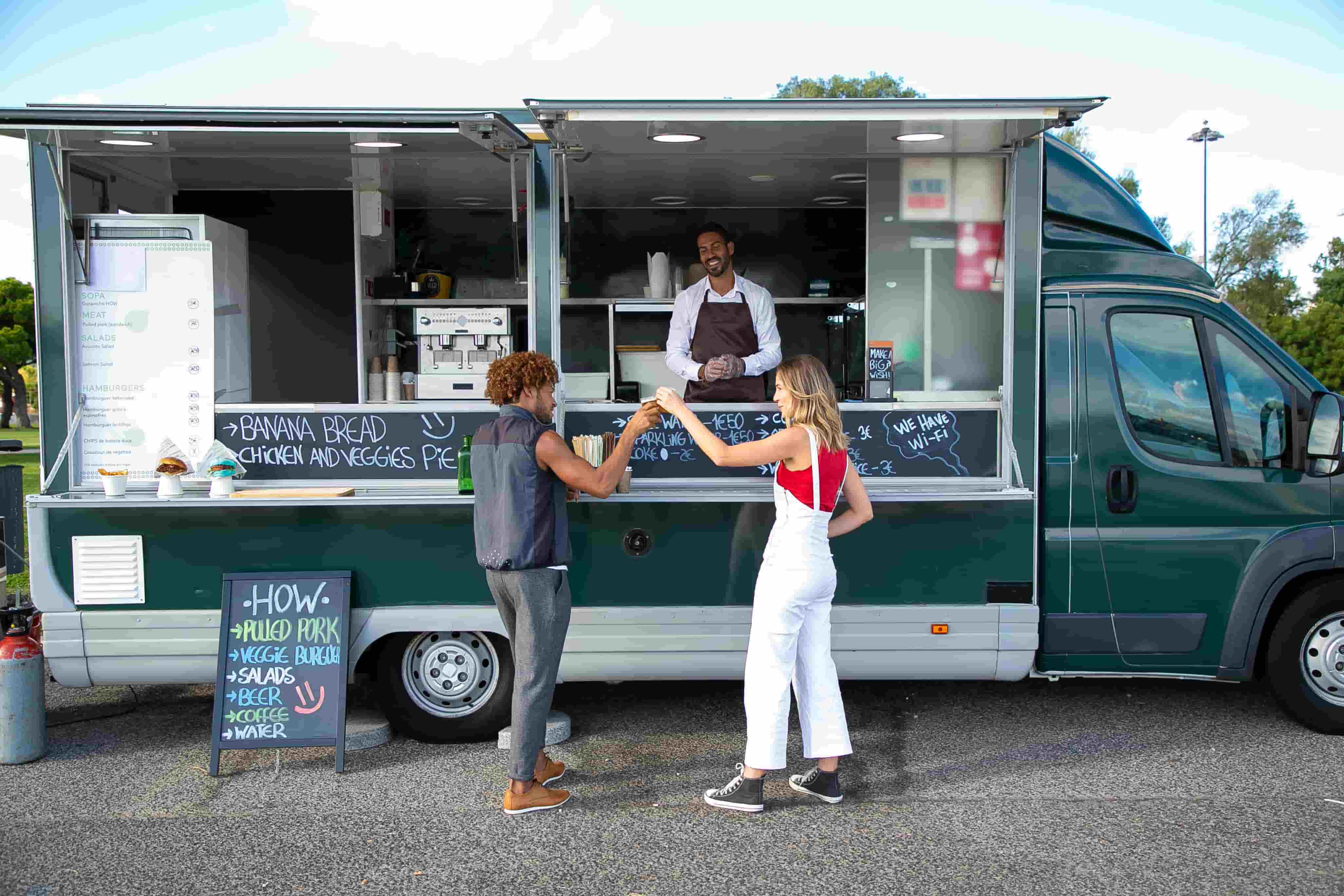
Business
Food Truck Insurance for PA Owners - Coverage Guide
12 min read
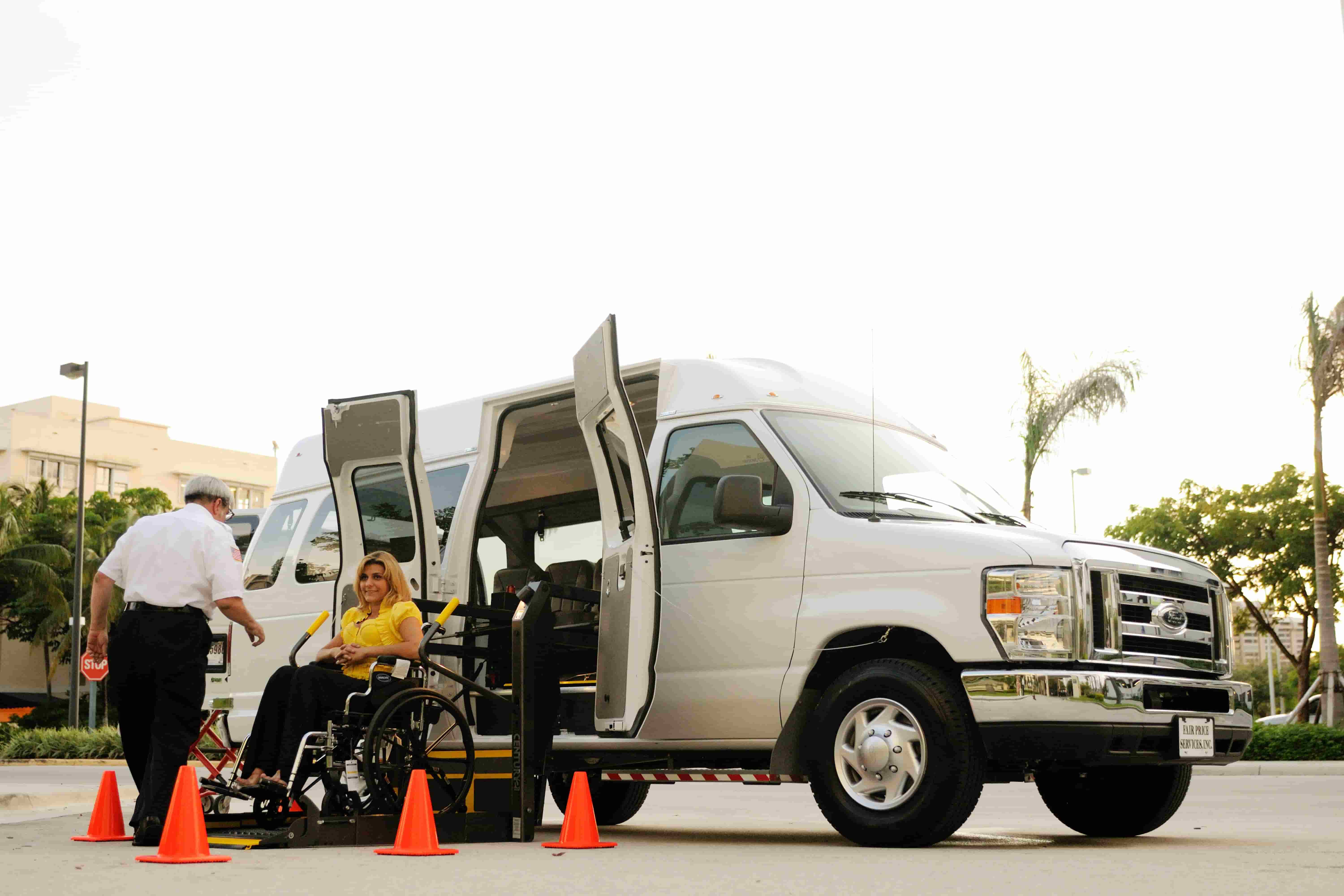
Business
Best NEMT Insurance in Pennsylvania | Dragon
14 min read
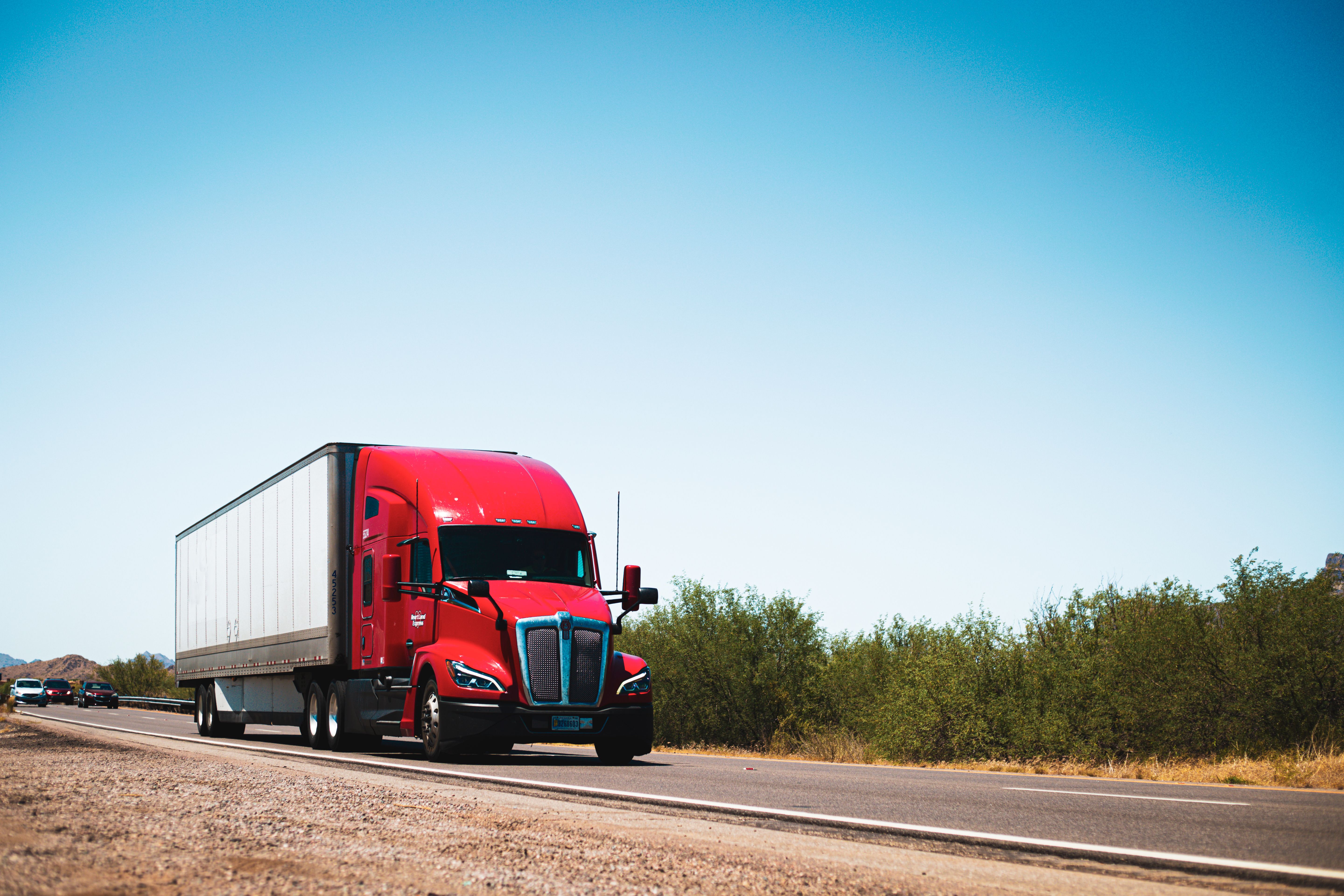
Business
Commercial Trucking Insurance in Pennsylvania | Dragon
18 min read
Business
Tow Truck Insurance: On-Hook vs Garagekeepers
10 min read
Business
Moving Company Insurance: What Movers Need 2026 | Dragon
10 min read