Commercial Truck Insurance Quotes for Pennsylvania Owner-Operators and Fleets
Tell us your trucks, drivers, radius and cargo. We compare truck insurance quotes and handle the filings.
Licensed in PA, TX, VA, MD, OH, TN & KY only. Quotes available for these states.
Quick Answer
What It Covers
Auto Liability
Coverage for bodily injury or property damage claims from accidents involving your truck.
Physical Damage
Collision and comprehensive options to repair or replace covered damage to your truck.
Motor Truck Cargo
Coverage for certain cargo losses while goods are in transit (terms vary by policy).
Trailer Interchange
Protection for non-owned trailers in your care, custody, or control (when required).
Non-Trucking Liability
Coverage that can apply when a truck is used for non-business purposes (availability varies).
Additional Endorsements
Common add-ons include rental reimbursement/downtime options, hired & non-owned, and higher limits based on contracts.
What It Does Not Cover
- Wear and tear or maintenance issues
- Unauthorized drivers or undisclosed operations
- Intentional damage
- Certain cargo types or routes without proper underwriting/endorsement
Why You Need It
Keep operations running and finances protected
Commercial trucking insurance protects your trucks, your drivers, and your business from the risks of the road. From accidents to cargo loss and liability claims, the right coverage helps keep your operations running and your finances protected.
Coverage Options
Standard
Owner-operators and small operations getting started.
- Liability
- Physical damage
- Optional cargo
Enhanced
Regional carriers with more lanes and equipment.
- Higher limits
- Cargo options
- Trailer interchange
Premium
Fleets or specialized operations with contract requirements.
- Custom endorsements
- Contract-driven limits
- Broader protection
What You Will Need
- 1Business name and owner information
- 2Business address and contact details
- 3Type of operation (local, regional, interstate) and radius
- 4Equipment list (year, make, model, VIN for each unit)
- 5Trailer details (owned/non-owned, interchange needs)
- 6Cargo type(s) and typical loads
- 7Driver information (names, DOB, license numbers)
- 8Driving history (violations, accidents, claims)
- 9Fleet size and annual mileage estimates
- 10Current insurance information (if applicable)
- 11Claims history / loss runs (if available)
- 12Desired coverage limits and required filings (if applicable)
- 13Desired effective date
Watch how to get a quote online (37 sec)
What Impacts Your Rate
Operation and radius
Local vs. interstate operations and lane geography can affect premium.
Cargo type
Certain cargoes have higher theft or severity risk, impacting pricing.
Driver history
MVR activity, claims, and experience affect underwriting and rates.
Equipment type and value
Newer or higher-value units generally increase physical damage cost.
Loss history
Prior losses can impact availability and premium depending on carrier.
Safety and controls
Telematics, safety programs, and maintenance practices can improve outcomes.
Frequently Asked Questions
They overlap, but trucking often needs additional coverages and endorsements (like cargo or trailer interchange) depending on contracts and operations.
If you haul goods, cargo coverage is commonly required by shippers or brokers. We'll confirm the right option for your loads and contracts.
Turnaround varies by equipment, drivers, cargo, and carrier requirements. We'll confirm timing after we review the basics.
Yes. We can quote coverage for owner-operators and fleets with multiple units.
We can quote options for local, regional, and interstate operations depending on carrier availability and underwriting.
Limits depend on contracts, filings, and risk exposure. We'll recommend options based on your operations and requirements.
Availability varies by carrier and operation. We'll confirm what applies to your setup and dispatch arrangements.
If you haul trailers you don't own under a written interchange agreement, this coverage may be required. We'll confirm based on your contracts.
Hot shot trucking insurance covers owner-operators and small carriers who haul time-sensitive or smaller loads typically with a pickup truck and flatbed trailer rather than a full semi. Core coverages typically include primary liability (federally required for commercial carriers), motor truck cargo, and physical damage. We work with carriers that specialize in hot shot operations across all states we serve.
Non-trucking liability (NTL) covers owner-operators when they are using their truck for personal, non-business purposes not under dispatch. Most motor carrier policies only cover you while hauling for the carrier, leaving a gap when you drive the truck for personal use. NTL fills that gap at a lower cost than primary liability.
Quote Support
Ready to compare carriers?
Submit your details and an advisor will reach out soon.
Prefer to talk now? Tap to call and we’ll guide you through the next steps.
Contact Us
Request a Quote or Consultation
Tell us a bit about what you need and we will respond as soon as possible.
Filings and Authority
Your policy is only half the job. The filing is the other half.
Truckers lose weeks to this. You can bind a perfectly good policy and still sit parked, because your authority does not activate until the right form reaches the right agency. Which forms you need depends on where you run and what you haul.
Interstate, federal layer
Crossing state lines for hire means FMCSA operating authority and a BMC-91 or BMC-91X filing made electronically by your insurer. General freight carries a $750,000 minimum; oil and hazardous materials carry higher limits. Your authority stays inactive until the filing posts, so the filing date, not the bind date, is what actually puts you back to work.
Intrastate, the layer most carriers miss
Hauling entirely inside one state is a separate registration with its own filing, and it catches people out constantly. Pennsylvania runs intrastate authority through the PA PUC with its own Form E filing. Other states we write in run their own intrastate programs. Federal registration does not cover you for intrastate work.
Contract and broker requirements
Then there is the layer nobody regulates: what your brokers and shippers demand. Most will not tender a load at the federal minimum. Cargo limits, additional insured status, and certificate requirements come from the contract you signed, not from any rulebook. Send us the contract and we will read it against your policy.
For the full state-by-state breakdown of minimums and filings across every state we write in, see commercial trucking insurance requirements by state.
After You Buy
What happens when you actually have a claim
Anyone can sell you a policy. The part that matters is the day your truck is on its side on the shoulder and the freight is late. Here is how the process runs, and where we come in.
01
Report it the same day
Call the carrier's claims line and call us. Late reporting is one of the few things that genuinely complicates a trucking claim. Get the police report number, photograph the scene and the cargo, and note every vehicle involved before anything moves.
02
The adjuster is assigned
The carrier assigns an adjuster who investigates fault, inspects the equipment, and reviews your log and maintenance records. Trucking claims pull in more documentation than any personal auto claim, which is why the record-keeping you did months ago matters now.
03
Coverage gets sorted per piece
Liability, physical damage, and cargo are three different coverages and often three different conversations. A single accident can trigger all three at once. This is the stage where people discover a gap in what they bought.
04
Repair, settlement, and getting back to work
Physical damage settles on your equipment, cargo settles with the freight owner, liability settles with the other party. Downtime is the real cost, so the practical goal is keeping the file moving rather than letting it sit.
Where an independent agent is worth having
We do not adjust claims. No agent does. What we do is stay in the file with you: making sure the claim is opened against the right coverage, chasing the adjuster when it goes quiet, explaining a reservation of rights letter in plain language, and telling you honestly whether a small claim is worth filing at all given what it will do to your renewal. When a claim does affect your pricing, we are already shopping your renewal across our markets instead of letting one carrier hand you a number and calling it done. That is the difference between an agent and a website.
Local Coverage
Commercial Trucking Insurance Camp Hill PA
Dragon Insurance Services is a licensed independent commercial trucking insurance agency at 1525 Cedar Cliff Dr STE 202, Camp Hill, PA 17011. We help owner-operators and small fleets across Camp Hill, Harrisburg, and throughout Pennsylvania, Texas, Virginia, Maryland, Ohio, Tennessee, and Kentucky compare trucking insurance quotes.
From primary liability and cargo to non-trucking liability and hot shot coverage, we match you with the right carrier for your equipment, routes, and cargo type. Call 717-229-5115 or get a quote online.
Locally based in Camp Hill, PA serving clients across Pennsylvania, Texas, Virginia, Maryland, Ohio, Tennessee, and Kentucky.
Running trucks in Pennsylvania? Our commercial trucking insurance in Pennsylvania guide covers FMCSA requirements, PA PUC intrastate rules, and non-trucking liability for owner-operators and small fleets.
Filing requirements vary by state and cargo type. Commercial Trucking Insurance Requirements by State: 2026 Guide covers FMCSA minimums, state mandates, and cargo-specific limits for every state we serve.
Based in the Harrisburg area? Our Trucking Insurance in Harrisburg, PA guide covers which of our trucking markets fits the I-81 corridor carrier by carrier.
Running loads without a dispatcher or carrier? Hot Shot Trucking Insurance: Coverage, Cost, and What Owner-Operators Need covers primary liability, cargo, physical damage, and non-trucking liability for hot shot operators.
Running a straight truck on local routes? Our box truck insurance cost guide shows what moves the premium before we compare your quotes.
Operating a wrecker or rollback? Tow truck insurance adds on-hook coverage for customer vehicles, and we quote it as one package with your truck.
Need a truck covered for one haul or a seasonal run? Short-term trucking insurance explains how we quote that need on a monthly-billed annual policy.
Applying for your own MC number? Our new authority trucking insurance guide covers the filings and limits a new carrier needs before its first load.
Hauling with a cargo or Sprinter van? Cargo van insurance covers courier, expedite, and final-mile work, including the $300,000 federal filing for vans.
Hauling cars on a wedge, stinger, or enclosed trailer? Car hauler insurance covers the vehicles you carry from loading to unloading, plus liability and physical damage.
Blog
Business insurance articles
Business coverage guidance, trucking insurance requirements, and how to choose limits.

June 20, 2026
How Much Does Commercial Truck Insurance Cost? (2026)
Commercial truck insurance cost depends on truck type, operation radius, cargo class, driver history, and years of authority. Dragon shops multiple carrier markets to find your rate. Get a free quote to see rates for your situation.
Read article →
June 9, 2026
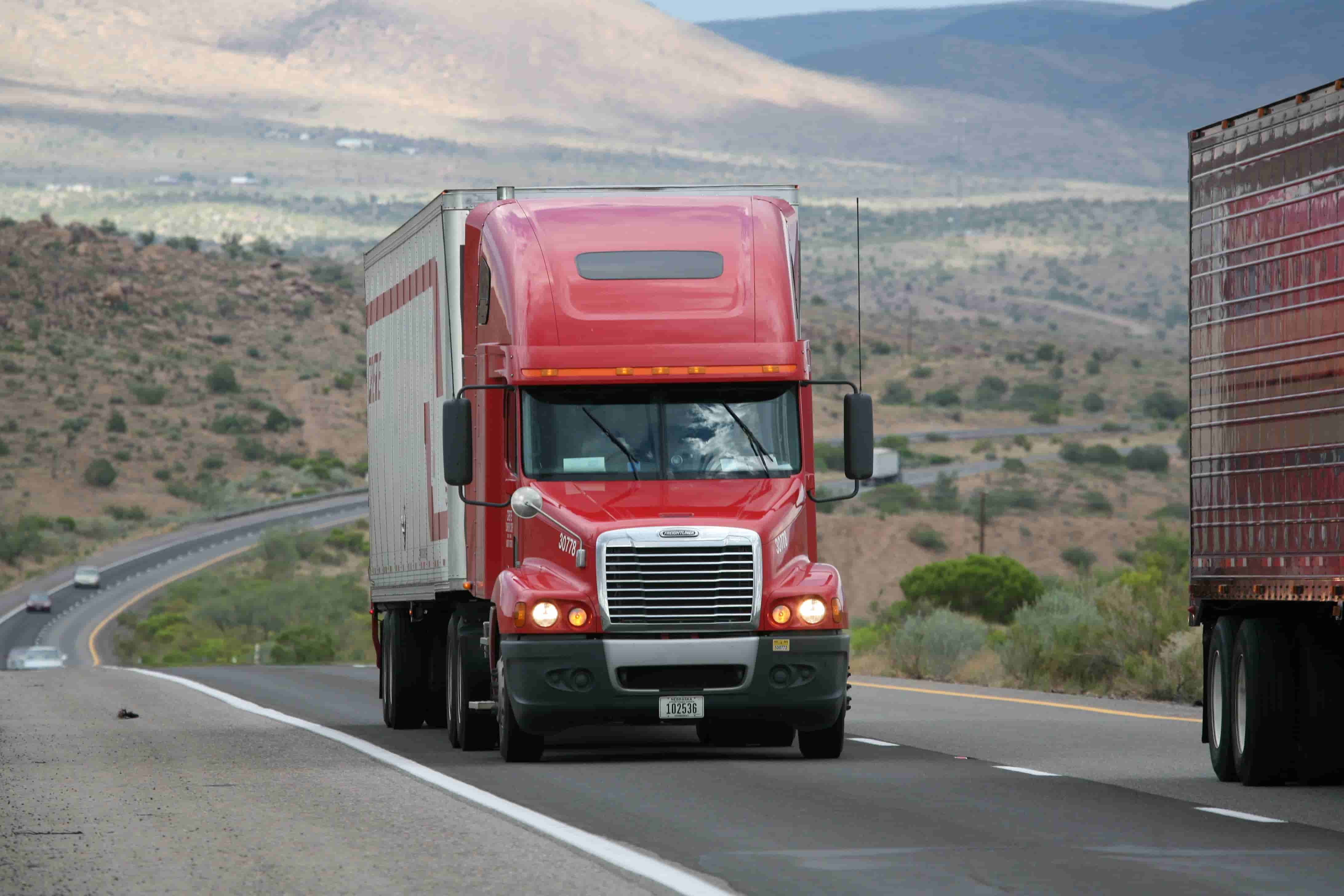
Commercial Trucking Insurance Requirements by State 2026
FMCSA requires $750,000 minimum liability for general freight, $1,000,000 for oil transport, and $5,000,000 for hazmat. Dragon helps owner-operators meet federal and state filing requirements in PA, TX, VA, MD, OH, TN, and KY.
Read article →
June 7, 2026
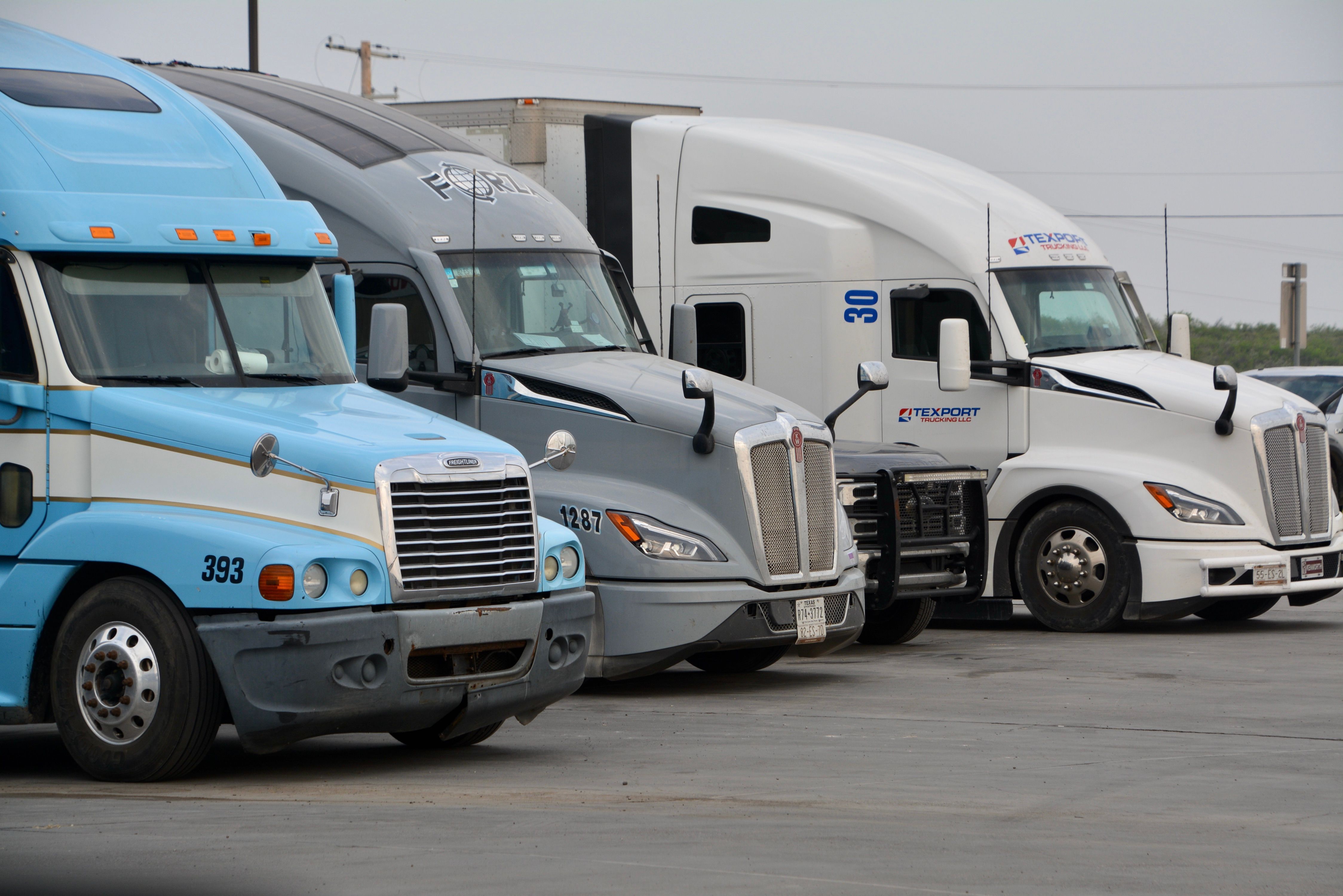
Top Trucking Insurance Companies of 2026 for Owner-Operators and Small Fleets
FMCSA requires $750K minimum liability. Dragon is appointed with Progressive, GEICO, and Trinity Underwriters, plus more markets through master brokerage. Get a free quote to see rates for your situation.
Read article →
Explore Related Coverage

Commercial Auto
Coverage for business vehicles and non-trucking fleets.
Learn more

General Liability
Broader liability protection for your business.
Learn more
Business Owner's Policy
Bundled property and liability for eligible businesses.
Learn more

Workers Compensation
Required coverage for trucking businesses with employees.
Learn more