Dump Truck Insurance: The Coverage a Dump Truck Business Needs
A 2026 guide to dump truck insurance for owner-operators and contractors: how the way your truck earns money sets the rules, PA PUC liability filings, the Pennsylvania cargo exemption for dump trucks (52 Pa. Code 32.13), federal filings for interstate hauling, contract requirements, and physical damage for the body and hoist. Dragon compares Progressive, GEICO and Trinity Underwriters in one call.
Get a dump truck insurance quote. One call compares the carriers we write side by side.
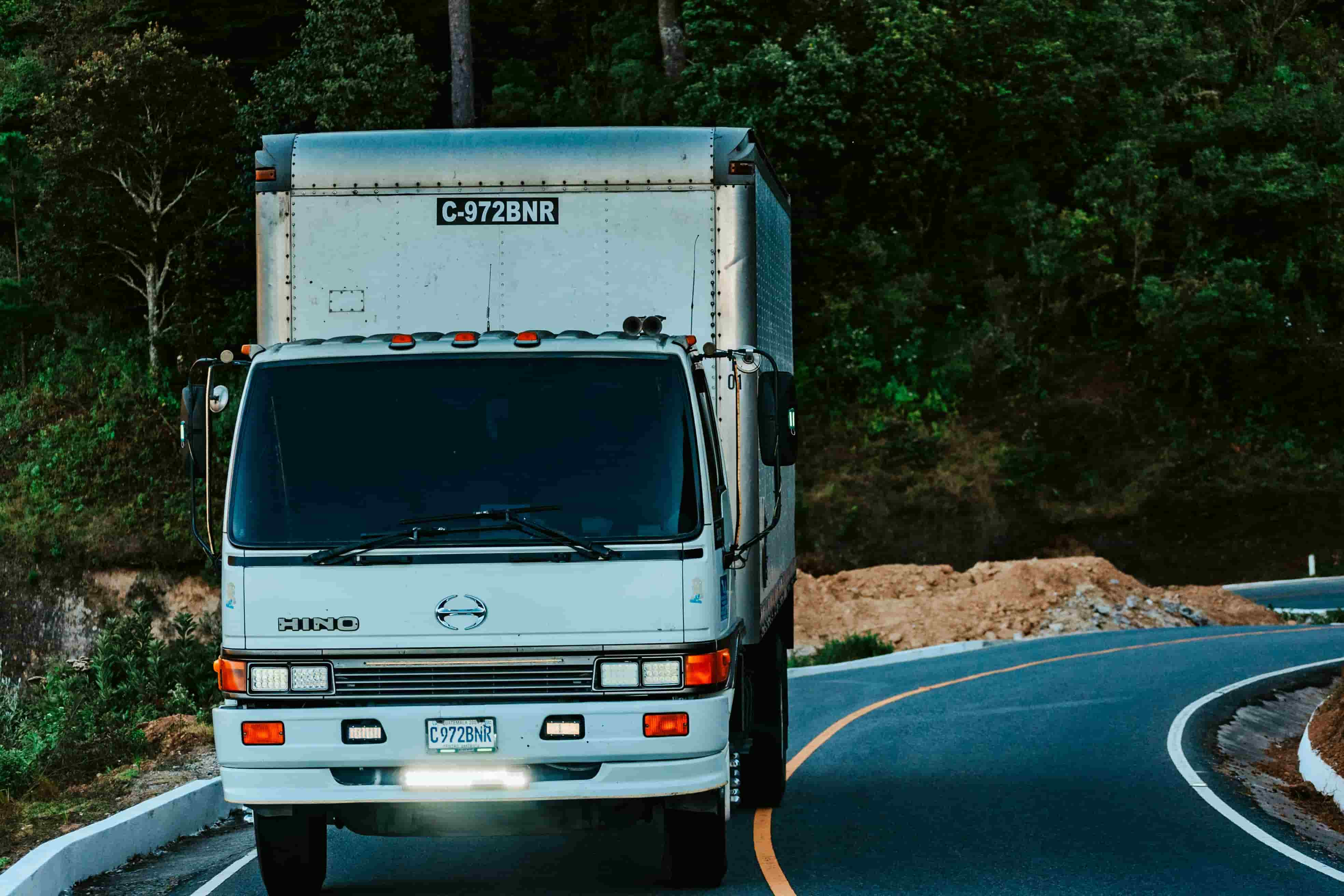
A Pennsylvania dump truck can answer to three different rulebooks in the same week. Hauling your own fill to your own job site, you are a private carrier. Hauling stone for a paving contractor from a quarry in Cumberland County to a site in Dauphin County, you are a for-hire carrier under the Pennsylvania Public Utility Commission (PA PUC). Hauling that same stone into Maryland, you are under FMCSA. Each one changes what your policy has to carry and what your insurer has to file.
Dump truck insurance is a commercial truck program, built around auto liability and physical damage, that has to match the way your truck earns money. This guide covers the Pennsylvania rules most national pages skip, including the PUC cargo exemption written specifically for dump trucks, plus the contract endorsements general contractors and townships ask for, and the physical damage details that decide whether a tipped truck gets paid. Dragon Insurance is an independent agency in Camp Hill, PA, and we quote dump truck programs through Progressive, GEICO, and Trinity Underwriters.
Quick Answer
What insurance does a dump truck need in Pennsylvania? Every dump truck needs commercial auto liability. For-hire hauling inside Pennsylvania also needs PA PUC authority with $750,000 in liability filed on Form E for a truck rated over 10,000 lbs, and the PUC's $5,000 cargo requirement does not apply to dump trucks once an exemption affidavit is on file. Interstate for-hire hauling needs $750,000 filed with FMCSA. Dragon quotes and files the full program. Call 717-229-5115.
Key Takeaways
- 1.Who pays you decides the rules. Hauling your own material, hauling for hire inside Pennsylvania, hauling for hire across state lines, and running leased to another hauler each carry different filing and coverage requirements.
- 2.Pennsylvania wrote a cargo exemption for dump trucks. Under 52 Pa. Code 32.13(b), dump trucks and trucks limited to hauling earth, crushed stone, coal, and similar construction materials are exempt from the $5,000 PUC cargo requirement, but only after an affidavit is filed with the Commission.
- 3.Contracts usually set the real limits. General contractors and municipalities commonly ask for additional insured status, a waiver of subrogation, and primary and non-contributory wording, on top of limits higher than any statute.
- 4.Value the body and hoist, not just the chassis. A dump body is often bought and invoiced separately from the truck. If the value on your policy leaves it out, a total loss pays out short.
Four Ways a Dump Truck Runs, and the Insurance Each One Needs
Before we price anything, we sort a dump truck into one of four operating setups, because the setup decides which filings apply and which coverages are required. Plenty of Pennsylvania owners move between two of them in a single season, and the policy has to support both.
| How you run | Regulator and filing | Core coverage |
|---|---|---|
| Contractor hauling its own fill, stone, or spoils | No PUC authority or federal insurance filing for nonhazardous loads; a USDOT number can still apply | Commercial auto liability, physical damage, general liability, equipment |
| For hire, loads that start and end in Pennsylvania | PA PUC certificate; insurer files Form E (liability) and Form H (cargo) unless exempt | $750,000 liability over 10,000 lbs, physical damage, cargo or exemption affidavit |
| For hire across state lines | USDOT and MC authority; insurer files BMC-91 or BMC-91X with FMCSA, MCS-90 attached | $750,000 liability, physical damage, cargo when a contract requires it |
| Owner-operator leased to another hauler | The hauler's authority and filing cover you under dispatch | Physical damage on your truck plus non-trucking liability |
The federal financial responsibility rules in 49 CFR Part 387 apply to for-hire carriers of property in interstate commerce, and to carriers of hazardous materials. A contractor trucking its own nonhazardous material is a private carrier, so it does not need the federal $750,000 filing. That does not lower the limit you should carry: a loaded tri-axle that causes a serious crash can produce a claim well past any statutory minimum, and the contracts you work under will set their own floor anyway.
Pennsylvania PUC Rules for For-Hire Dump Trucks
If you haul aggregate, fill, or debris for pay on loads that pick up and deliver inside Pennsylvania, the PA PUC, not FMCSA, sets your insurance filing. A USDOT or MC number does not authorize intrastate for-hire work. Here is how the PUC rules land on a dump truck specifically.
- Liability: $750,000 per accident for almost every dump truck. Under 52 Pa. Code 32.12, a property carrier needs at least $300,000 per accident for a vehicle rated 10,000 lbs or less and at least $750,000 for a vehicle rated over 10,000 lbs. Single-axle, tandem, and tri-axle dump trucks are all rated well above 10,000 lbs, so the $750,000 tier is the one that applies.
- Your insurer files the proof, not you. The PUC treats a certificate of insurance from the carrier as non-binding. Your insurance company files a Form E for liability (and a Form H for cargo, when cargo applies) under your exact legal name and PUC docket number.
- A lapse puts the certificate at risk. The PUC says non-compliance with the insurance rules can bring fines, suspension of operating rights, or cancellation of authority. Paying on time and keeping the filing active matters as much as the coverage itself.
Our Pennsylvania commercial trucking insurance guide walks through the full PUC application. If your trucks are based around the capital region, you can also get a Harrisburg trucking insurance quote from our Camp Hill office.
The Pennsylvania Cargo Exemption for Dump Trucks
Pennsylvania's PUC cargo rule names dump trucks directly. 52 Pa. Code 32.13(a) requires a for-hire common carrier of property to file cargo insurance of at least $5,000 with the PUC. Subsection (b) then exempts two groups from that requirement:
- Dump trucks and construction-material haulers. Dump trucks, and vehicles limited to hauling coal, earth, crushed stone, amesite (a type of asphalt paving material), and similar construction materials.
- Low-value loads. Vehicles carrying property where a single load is worth $500 or less.
- The catch: the affidavit comes first. The exemption only applies after an affidavit stating the vehicle is limited to that type of transportation has been filed with the Commission. Until it is on file, the $5,000 cargo requirement still stands.
What this means in practice: a Pennsylvania-only dump truck hauler can usually skip the Form H, but not the Form E. The liability filing is never waived. And the exemption only covers the PUC rule, not your customers. Cargo coverage still earns its place when:
- A contract or quarry account asks for it. Some hauling agreements set a cargo limit regardless of what the PUC requires, and certificates get checked before the first load.
- You haul something other than bulk material. Specialty stone, landscape block, pallets of pavers, or anything a customer values per piece can put you outside the exemption and back into a cargo conversation.
- You cross into Maryland, Ohio, or New York. The PA exemption does not travel. Interstate brokers and shippers set their own cargo terms.
When cargo coverage does apply, the form matters as much as the limit. Our motor truck cargo insurance guide explains the exclusions to read before you pick one.
Hauling for hire inside Pennsylvania?
Get your Form E filed at binding, cargo exemption included.
We quote Progressive, GEICO, and Trinity Underwriters side by side, have your insurer file the PUC liability form under your docket number, and tell you whether the dump truck cargo exemption fits the loads you haul.
Hauling Across State Lines: The Federal Layer
Once a for-hire load crosses into another state, FMCSA rules apply on top of anything Pennsylvania requires. Under 49 CFR 387.9, a for-hire carrier of nonhazardous property in a vehicle rated 10,001 lbs or more needs at least $750,000 in public liability. Your insurer files proof on a BMC-91 or BMC-91X, and the policy carries the MCS-90 endorsement. The MCS-90 guarantees payment to the public up to the federal minimum even when a policy exclusion would otherwise apply, and you agree to reimburse the insurer for anything it pays only because of the endorsement. It protects the public, not your business.
Other states write their own intrastate rules. Virginia, for example, requires for-hire intrastate property carriers to hold Virginia DMV authority, with $750,000 in liability for trucks over 10,000 lbs. A Central PA hauler who runs both PUC and interstate loads needs one policy that supports both filings, and we set it up that way from the first quote.
Leased to a Hauler or Running Your Own Authority
Many dump truck owner-operators never hold their own authority. They lease the truck to an established hauler that dispatches it to quarries and job sites. That changes who carries what.
- Under dispatch, the hauler's liability usually applies. The lease agreement spells out whose policy responds. Read it before you buy anything, because some leases push liability or physical damage requirements back onto the owner.
- Off dispatch, you need non-trucking liability. Driving to the shop, home after the last load, or anywhere not on the hauler's business falls outside its coverage. Non-trucking liability fills that gap. Our guide to how non-trucking liability works covers where it stops.
- Your truck is always your problem. The hauler's policy almost never covers damage to your truck. Physical damage is yours to buy, and your lender will require it on a financed truck.
- Going independent means the full stack. Moving to your own PUC certificate or MC number means primary liability, the filings, and every contract endorsement are now on your policy. Our owner-operator truck insurance guide compares both setups.
What General Contractors and Townships Ask For
The statute sets a floor. The contract decides whether your truck gets through the gate. These are common requirements in general contractor subcontracts, quarry hauling agreements, and municipal bid specs. They are contract terms, not law, so the exact wording comes from the document you sign.
Certificate of insurance
Proof of auto, general liability, and workers comp, usually sent before the first load. The certificate itself does not change your coverage; the endorsements behind it do.
Additional insured
The GC or township is added to your policy for claims arising from your work. Contracts often ask for it on both the auto policy and the general liability policy, which are separate endorsements.
Waiver of subrogation
Your insurer agrees not to pursue the hiring party to recover what it paid on a claim. It is added by endorsement, and some insurers charge for it.
Primary and non-contributory
Your policy pays first for a covered claim, and the hiring party's own insurance is not asked to share it. GCs and municipalities ask for this wording often.
Higher limits through an umbrella
When a contract asks for more than your auto limit, an umbrella or excess policy can stack on top instead of rebuilding the primary policy.
Notice of cancellation
Many contracts ask to be notified if your policy cancels. What an insurer can promise varies by form, so we check it before you sign.
Send us the insurance section of the contract before you bind. We quote the endorsements it calls for across Progressive, GEICO, and Trinity Underwriters, then issue certificates with the right parties named once coverage is in place.
Physical Damage Details Specific to Dump Trucks

Physical damage pays to repair or replace your own truck, and on a dump truck the details of the policy decide how much of the truck is actually covered. These are the points we check on every dump truck we quote.
- Truck, body, and hoist valued together. Dump bodies are often built or installed by an upfitter and invoiced apart from the chassis. Give us both values so the stated amount on the policy reflects the whole unit, not just the cab and frame.
- Tip-overs with the bed raised. Standard commercial auto forms typically define collision to include overturn, so a truck that goes over while dumping is usually a collision claim, subject to your deductible. Forms vary, so we compare how each market words it.
- Hydraulic wear is not a crash. Commercial auto policies generally exclude mechanical breakdown and wear and tear. A hoist cylinder that fails from age is a maintenance cost. Damage from a covered crash or fire is a different story.
- Plows, spreaders, and seasonal gear. Pennsylvania dump trucks often switch to snow work in winter. Attached plows and spreaders may need to be listed on the auto policy or scheduled on an inland marine policy, with machines you haul, such as a skid steer, scheduled separately with their own values.
Load Securement and Liability Under the PA Vehicle Code
Section 4903 of the Pennsylvania Vehicle Code bars driving on a highway unless the load is built or loaded so nothing drops, sifts, leaks, or escapes, and the load and any cover are fastened so they cannot come loose. The fine range is higher when escaping material injures someone or damages another vehicle or property. The section also carves out material spread on purpose during highway maintenance or construction, which covers anti-skid spreading on contracted winter routes.
A citation is the small part. A stone off your load that breaks a windshield, or a sheet of fill across a lane, becomes a claim on your auto liability, and a pattern of those claims shows up on your loss runs at renewal. Tarping and securement habits are worth describing when you apply, because underwriters ask.
How Much Does Dump Truck Insurance Cost?
Premiums can start around $200 a month for a clean-record truck with established authority, but the range runs into the thousands depending on your equipment, cargo, radius, authority age, and driving history. Call 717-229-5115 and we quote your actual rate across Progressive, GEICO, and Trinity Underwriters on the call.
For the factors that move a trucking premium and how dump trucks compare with other truck types, see our commercial truck insurance cost guide.
How Dragon Builds a Dump Truck Program
We start with how the truck runs, then shop the markets, then handle the paperwork the regulator and your contracts need. Progressive, GEICO, and Trinity Underwriters are quoted side by side on one intake. Newer authorities and claims-affected accounts go to additional specialty and excess and surplus (E&S) markets through master brokerage relationships. Once you bind, we coordinate the Form E, any Form H or BMC-91 filing, and the certificates your contractors ask for. Dump truck owners in Cumberland County can also get a Camp Hill trucking insurance quote in person at our office.
What to Have Ready for a Dump Truck Insurance Quote
Have these in front of you and we can quote your dump truck program across Progressive, GEICO, and Trinity Underwriters on the call.
Your Authority, Drivers, and Contracts
- USDOT number, MC number, or PA PUC docket number, or that you are still applying
- Whether you haul your own material, haul for hire, or run leased to another hauler
- License number and date of birth for every driver
- Loss runs from your current or past insurer, plus the insurance section of any contract
Your Trucks and Loads
- Year, make, VIN, and value of each truck, with the dump body and hoist value listed
- Plows, spreaders, or machines you attach or haul, with values
- Your radius: Pennsylvania only, or which states you cross into
- What you haul most: stone, fill, asphalt, demolition debris, or snow work
Have this list in front of you. We start your quote on the call.
Call 717-229-5115Frequently Asked Questions
What does dump truck insurance cover?
Dump truck insurance is built around primary auto liability, which pays for injuries and damage you cause to others, and physical damage, which pays to repair or replace your own truck and dump body. Most operations add general liability for job-site work, and depending on the setup, hired and non-owned auto, contractor's equipment, motor truck cargo, workers comp for employee drivers, or non-trucking liability for leased-on owner-operators.
Do dump trucks need cargo insurance in Pennsylvania?
Not for the PUC, once the paperwork is filed. 52 Pa. Code 32.13 requires for-hire property carriers to file at least $5,000 in cargo insurance, but exempts dump trucks and vehicles limited to hauling coal, earth, crushed stone, and similar construction materials. The exemption applies only after an affidavit is filed with the PUC. Contracts and interstate customers can still require cargo coverage.
Do I need PUC authority to haul with a dump truck in Pennsylvania?
You need it if you haul for hire on loads that start and end in Pennsylvania. A USDOT or MC number does not cover intrastate for-hire work. Your insurer must file a Form E showing at least $750,000 in liability for a truck rated over 10,000 lbs. A contractor hauling only its own material is not hauling for hire.
Does dump truck insurance cover the load?
Not automatically. Motor truck cargo coverage pays for someone else's property damaged or lost while you haul it. If you haul your own aggregate, cargo coverage is often not needed, but brokers and general contractors may require it before they give you loads. Equipment you haul, such as a skid steer, is usually covered under a contractor's equipment or inland marine policy instead.
Do I need general liability for a dump truck?
If you work on job sites, usually yes. Auto liability covers accidents involving the truck, while general liability covers your other operations, such as damage to a customer's property while spreading material or injuries to people on a site you are working. General contractor agreements commonly require general liability with the contractor named as an additional insured.
What is the minimum insurance for a dump truck?
It depends on how and where you haul. For-hire carriers hauling nonhazardous property across state lines need at least $750,000 under FMCSA rules. For-hire hauling inside Pennsylvania needs $750,000 per accident filed with the PA PUC for a truck rated over 10,000 lbs. A contractor hauling its own material has no federal or PUC filing, but contracts often require more than any statutory minimum.
Do owner-operator dump trucks need their own insurance?
Yes. If you run under your own authority, you carry the full program yourself, including primary liability, physical damage, and any general liability your contracts require. If you are leased on to a motor carrier, its policy usually covers liability under dispatch, but you still need physical damage on your truck and non-trucking liability for driving outside of dispatch.
Is a tip-over covered by dump truck insurance?
Damage to your own truck from a tip-over is typically handled under the collision part of physical damage coverage, subject to your deductible. Damage the tip-over causes to other people or their property falls under your liability coverage. Terms vary by insurer, so we compare how each market handles it when we quote.
Can I get dump truck insurance through Dragon?
Yes. Dragon Insurance, an independent agency in Camp Hill, Pennsylvania, quotes dump truck insurance through Progressive, GEICO, and Trinity Underwriters, plus additional specialty and excess and surplus (E&S) markets through master brokerage relationships. Call 717-229-5115 or use the business quote form on mydragon.us with your DOT number, VINs, driver list, and radius, and we issue certificates to your contractors once coverage is bound.
Why Customers Choose Dragon Insurance
One call, several carriers
We quote your dump truck with Progressive, GEICO, and Trinity Underwriters side by side, so you see the real lowest price instead of a single company's offer.
Fast, honest quoting
Call and we start your quote on the spot. Online requests get a reply from a licensed agent within 1 hour on business days.
Your whole business in one place
General liability, commercial auto, workers comp, and tools coverage placed and serviced by one agency, with one renewal conversation instead of four.
A real local agent when it matters
Licensed agents at our Camp Hill, PA office, licensed in PA, TX, VA, MD, OH, TN, and KY. When you have a claim, we help you contact the carrier and answer adjuster requests. English, Nepali, and Hindi spoken.
Get Your Dump Truck Program Quoted and Filed
Your dump truck policy has to match how the truck earns money: your own jobs, PUC loads, interstate loads, or a lease to another hauler. Dragon quotes Progressive, GEICO, and Trinity Underwriters side by side, adds the endorsements your contracts call for, and coordinates your filings at binding. Start your dump truck insurance quote or call us now.
Call for a quote on the spot. Online requests answered within 1 hour on business days.
Visit us: 1525 Cedar Cliff Dr STE 202, Camp Hill, PA 17011
Sources
- 1Pennsylvania Code, 52 Pa. Code 32.13: Cargo Liability Insurance
$5,000 PUC cargo minimum and the affidavit-based exemption for dump trucks and construction-material haulers.
- 2Pennsylvania Code, 52 Pa. Code 32.12: Property Carrier Liability
PA PUC liability minimums: $300,000 at 10,000 lbs or less, $750,000 over 10,000 lbs.
- 3Pennsylvania Public Utility Commission, Motor Carrier Insurance
Form E and Form H, insurer-only filing, and penalties for non-compliance.
- 4eCFR, 49 CFR 387.9: Financial Responsibility, Minimum Levels
$750,000 minimum for for-hire carriers of nonhazardous property in vehicles rated 10,001 lbs or more.
- 5Pennsylvania General Assembly, 75 Pa.C.S. 4903: Securing Loads in Vehicles
Load containment and fastening rules, penalties, and the highway maintenance spreading exception.
Sources checked October 2026.
Dragon Insurance Services LLC is a licensed independent insurance agency. This guide is general information as of October 2026 and is not legal advice or a quote. Federal requirements are based on 49 CFR Part 387, and Pennsylvania requirements on 52 Pa. Code Chapter 32 and 75 Pa.C.S. 4903, all subject to change. Contract insurance requirements are set by the hiring party and vary. Coverage terms, exclusions, and availability vary by insurer and are subject to underwriting approval.
Explore Related Coverage
Ready to compare carriers and get a quote?
Dragon Insurance is an independent agency in Camp Hill, PA. We shop 30+ carriers to find your best rate.
Prefer to talk it through?
Get a real quote from a licensed advisor. English, Nepali, and Hindi spoken.
About the Author
Bimal GurungCEO, Agency Principal & Licensed Insurance Agent
Bimal Gurung is CEO and Agency Principal of Dragon Insurance Services, an independent agency in Camp Hill, PA that compares 30+ carriers for clients across Pennsylvania, Texas, Virginia, Maryland, Ohio, Tennessee, and Kentucky.
Meet the Dragon Insurance teamContinue Reading

Business
Commercial Truck Insurance Cost: 2026 Averages by Truck
12 min read
Business
Owner-Operator Truck Insurance: Cost & Coverage 2026
11 min read
Business
Motor Truck Cargo Insurance: Who Needs It in 2026
14 min read
Business
Box Truck Insurance Cost for 16 and 26-Foot Truck Owners
10 min read
Business
What Is Non-Trucking Liability Insurance? Owner-Op Guide
10 min read

Business
Snow Plow Insurance for Contractors: Coverage and Costs
9 min read