Loading
Preparing your coverage insights...
Our Locations
Loading
Preparing your coverage insights...
A 2026 guide to motor truck cargo insurance: what it covers, why FMCSA requires it only for household goods movers while brokers commonly require $100,000, and the exclusions that deny the most claims. Covers reefer breakdown, how to set a cargo limit, and what to do after a cargo loss. Dragon quotes cargo through Progressive, GEICO, and Trinity Underwriters plus specialty and E&S markets.
Get a motor truck cargo insurance quote. One call compares the carriers we write side by side.
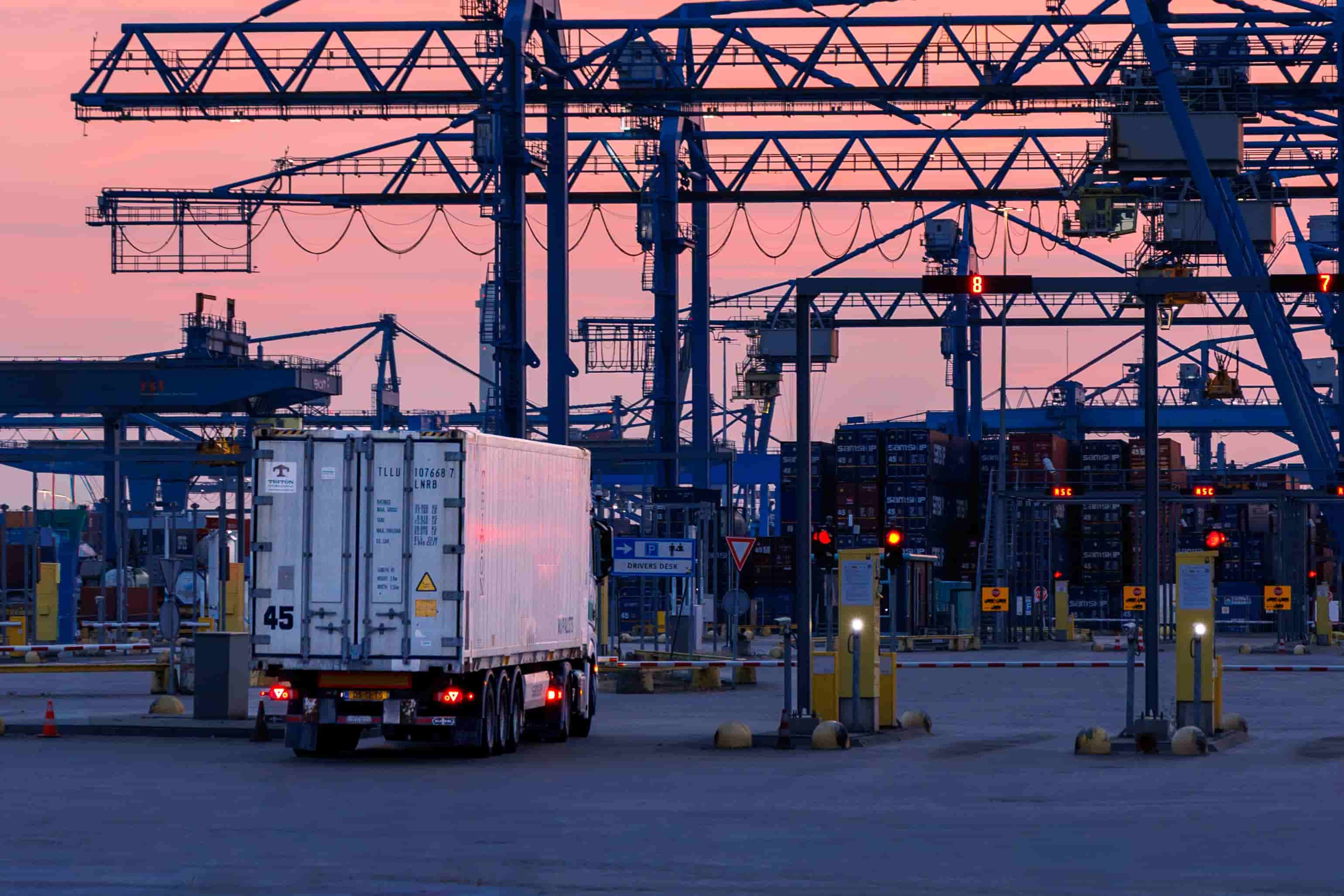
A broker sends a rate confirmation for a good load, and one line near the bottom stops the deal: proof of cargo coverage required before dispatch. A reefer unit quits on a hot afternoon and a trailer of produce is a total loss by the time the driver notices. A loaded trailer disappears from a truck stop overnight. All three land on the same policy, motor truck cargo insurance, and all three are where owner operators and small fleets find out whether the cargo form they bought actually fits the freight they haul.
Federal law does not require cargo insurance for most general freight carriers, but the market almost always does. This guide covers who actually needs cargo coverage, what a cargo policy pays for, the exclusions that deny the most claims, how reefer breakdown works, how to set a limit that clears broker requirements, and what to do in the first hours after a load is damaged. Dragon Insurance quotes motor truck cargo alongside your liability and physical damage through Progressive, GEICO, and Trinity Underwriters, plus additional specialty and excess and surplus (E&S) markets through master brokerage relationships, so the cargo form matches your commodity before a broker or a claim tests it.
Quick Answer
What is motor truck cargo insurance and do I need it? Motor truck cargo insurance pays for freight in your care that is damaged, destroyed, or stolen while you haul it. The FMCSA requires it only for household goods movers, but most brokers and shippers require it before they tender a load. Dragon Insurance quotes it in one call at 717-229-5115.
Motor truck cargo insurance covers the property you are hauling for someone else, not your truck and not the people you might injure. Your liability policy pays others when you cause a crash, and physical damage pays to repair your tractor and trailer. Neither one pays the shipper for a load of appliances that shifted and broke, a pallet of electronics stolen from the trailer, or a load of lumber lost in a rollover. That gap is exactly what a cargo policy fills, and it is why we quote all three together instead of treating cargo as an afterthought.
Some cargo forms add smaller built-in coverages such as debris removal after a wreck, earned freight you lose when a load is destroyed, and the cost of protecting cargo from further damage after an accident. These vary by market, so when we quote, we compare what each form actually includes side by side, not just the price.
The FMCSA does not require cargo insurance for general freight carriers. A 2010 FMCSA final rule, effective in 2011, eliminated the requirement for most for-hire motor carriers of property and freight forwarders to carry cargo insurance in prescribed amounts and file it with the agency. What the FMCSA does require from a for-hire freight carrier is public liability coverage, $750,000 for non-hazardous freight on trucks of 10,001 pounds GVWR or more, filed before operating authority is granted.
So the honest answer to "does my truck need cargo insurance" is this: the law requires it only if you move household goods, but your liability for the freight exists on every load. Without a cargo policy, a damaged or stolen load is paid out of your own pocket, often in an amount larger than a year of premium. For the full picture of filings and limits by state, see our trucking insurance requirements by state guide.
Cargo, liability, and physical damage in one quote
Get a cargo limit that clears your broker packet.
Tell us your commodity, trailer type, and the limit your brokers ask for. We quote Progressive, GEICO, and Trinity Underwriters side by side and issue the certificate your broker needs.
Brokers and shippers set their own insurance requirements in their carrier agreements, and cargo coverage is near the top of almost every list. Many brokers commonly require a $100,000 cargo limit, and some shippers moving high-value freight ask for more. This is market practice written into contracts, not a federal rule, but in practice it decides which loads you can book.
Anyone hauling freight they do not own under their own authority should carry cargo coverage, whether or not a regulation says so. The setup you run decides whose policy actually responds, and that is the first question we ask on a quote call.
Private carriers hauling only their own goods, such as a contractor moving their own materials, generally do not need motor truck cargo coverage, because there is no shipper to pay. Their own property is usually covered under an inland marine or property policy instead. If you do both, hauling your own goods and hauling for others, tell us on the quote call so each exposure is placed on the right form.
Most denied cargo claims are not about the limit. They come from an exclusion or a condition the trucker never read. Cargo forms are not standardized, so exclusions vary by market, but the same handful show up again and again, and they are the first thing we compare when we quote.
Other common exclusions include loss from improper loading or packing by the shipper, wear and tear or inherent vice in the goods themselves, delay and loss of market, and unexplained shortages discovered only at delivery. Many forms also cover only vehicles listed on the policy and only drivers you have scheduled, so adding a new truck or driver before dispatch keeps the load covered. We walk through each exclusion on the forms we quote so you can pick coverage that pays on the claims you are most likely to have.
If you pull a reefer, reefer breakdown coverage matters more than your headline cargo limit. It is an endorsement that pays for spoiled perishable cargo when the refrigeration unit suffers a sudden and accidental mechanical breakdown. Without it, a failed compressor on a load of produce, dairy, or meat can leave you owing the shipper for the entire trailer.
Refrigerated loads are also one of the factors that move a truck policy higher overall, which our pillar commercial truck insurance cost guide covers in detail. If a broker has already turned you down because your policy has no reefer breakdown, that is a quick fix we can quote today.
Broker rejected your certificate over a reefer or commodity exclusion?
We quote cargo forms that include reefer breakdown and list your actual commodities, then send the updated certificate straight to your broker so the load moves.
Your cargo limit should be set by the most valuable single load you realistically haul and by the highest limit your brokers require, whichever is higher. Setting it by guesswork is how carriers end up underinsured on the one load that matters.
The deductible matters too. A higher cargo deductible can lower the premium, but brokers sometimes cap the deductible they will accept, and a lease agreement may pass it back to you. We quote more than one deductible option so you can see the trade-off before you choose.
Cargo is usually quoted as part of a full truck policy rather than on its own, so the useful number is your total premium. Premiums can start around $200 a month for a clean-record truck with established authority, but the range runs into the thousands depending on your equipment, cargo, radius, authority age, and driving history. Call 717-229-5115 for a number built on your actual truck and freight. For published industry averages by truck type and state, see the benchmark table in our commercial truck insurance cost guide.
The first few hours after a cargo loss decide how smoothly the claim pays. Carriers that document early and report quickly get paid faster and keep their broker relationships intact.
Shippers have time to come after you. Federal law does not let an interstate carrier give a shipper less than 9 months to file a cargo claim, and FMCSA claim rules require a carrier to acknowledge a written claim within 30 days and to pay, decline, or offer a settlement in writing within 120 days. Having the right cargo policy in place before the claim arrives is what turns that process into a paid claim instead of a bill you owe. When you place cargo coverage through Dragon, we help you report the loss and keep the carrier moving on it.
Dragon Insurance is an independent agency in Camp Hill, Pennsylvania, and commercial trucking is the line we quote most. Cargo coverage is written differently by every market, so shopping more than one is how you find a form that fits your freight and a price that fits your budget.
For the full coverage stack, including primary liability, physical damage, and non-trucking liability, visit our commercial trucking insurance page. We quote trucking operations across the states we serve.
What is motor truck cargo insurance?
Motor truck cargo insurance pays for freight in a trucker's care that is damaged, destroyed, or stolen while it is being hauled, up to the policy limit. It covers the customer's property on your truck, not your truck itself and not injuries to other people, which are handled by physical damage and liability coverage. Most cargo forms pay what you are legally liable for as the carrier under the bill of lading.
Does my truck need cargo insurance?
Federal law requires cargo insurance only for household goods movers, but most brokers and shippers require it before they tender a load. The FMCSA eliminated the cargo filing requirement for general freight carriers in a 2010 rule, effective 2011. You are still liable for freight you damage or lose under the Carmack Amendment, so any for-hire carrier hauling other people's freight should carry it.
What are the FMCSA cargo insurance requirements for household goods movers?
An interstate household goods motor carrier must file cargo insurance of at least $5,000 for loss or damage on any one vehicle and $10,000 for losses at any one time and place, under 49 CFR 387. The insurer files proof with the FMCSA on Form BMC-34, and the FMCSA will not grant or keep household goods authority without it.
How much cargo insurance do brokers require?
Many brokers commonly require a $100,000 cargo limit, and some shippers moving high-value freight require more. This is a contract requirement set by the broker or shipper, not a federal law, so check each carrier agreement. Brokers also review exclusions, so a policy that excludes the commodity or reefer breakdown can be rejected even at the right limit.
What does motor truck cargo insurance not cover?
Cargo policies commonly exclude or limit theft from an unattended vehicle, high-theft commodities such as electronics, alcohol, tobacco, and pharmaceuticals, spoilage from a refrigeration failure unless you add reefer breakdown, improper loading by the shipper, and delay or loss of market. Exclusions vary by insurer, so compare the actual forms, not just the limit, before you buy.
What is reefer breakdown coverage?
Reefer breakdown coverage is an endorsement to a cargo policy that pays for spoiled perishable freight when the refrigeration unit suffers a sudden and accidental mechanical breakdown. A standard cargo form usually does not cover this. Many markets require documented reefer maintenance and commonly exclude driver error, such as running out of fuel or setting the wrong temperature.
How much does motor truck cargo insurance cost?
Cargo is usually quoted as part of a full truck policy. Premiums can start around $200 a month for a clean-record truck with established authority, but the range runs into the thousands depending on your equipment, cargo, radius, authority age, and driving history. Commodity, cargo limit, deductible, and reefer terms move the cargo portion most. Call Dragon Insurance at 717-229-5115 for a quote on your actual truck.
Do leased-on owner operators need their own cargo insurance?
Usually not, because the motor carrier you are leased to typically covers cargo under its own policy while you haul under its authority. Many lease agreements, however, pass the cargo deductible or part of a claim back to the owner operator, so read the lease. If you run under your own authority, cargo coverage is your responsibility.
Can I get motor truck cargo insurance through Dragon Insurance?
Yes. Dragon Insurance, an independent agency in Camp Hill, Pennsylvania, quotes motor truck cargo insurance with liability and physical damage through Progressive, GEICO, and Trinity Underwriters, plus additional specialty and excess and surplus (E&S) markets through master brokerage relationships. Call 717-229-5115 or use the business quote form on mydragon.us, and we issue certificates to your brokers once coverage is bound.
Get your motor truck cargo insurance quote
Cargo, primary liability, and physical damage quoted together, with reefer breakdown and your real commodities on the form and certificates sent to your brokers once you bind.
Visit us: 1525 Cedar Cliff Dr STE 202, Camp Hill, PA 17011
Dragon Insurance Services LLC is a licensed independent insurance agency. This article is general information, not legal advice or a quote. Cargo coverage terms, exclusions, and conditions vary by insurer and are subject to underwriting approval. Broker and shipper requirements are set by contract and vary. Federal and state rules are subject to change; confirm current requirements with the FMCSA or your state regulator before you rely on them.
Explore Related Coverage
Ready to compare carriers and get a quote?
Dragon Insurance is an independent agency in Camp Hill, PA. We shop 30+ carriers to find your best rate.
Prefer to talk it through?
Get a real quote from a licensed advisor. English, Nepali, and Hindi spoken.
About the Author
Bimal GurungCEO, Agency Principal & Licensed Insurance Agent
Bimal Gurung is CEO and Agency Principal of Dragon Insurance Services, an independent agency in Camp Hill, PA that compares 30+ carriers for clients across Pennsylvania, Texas, Virginia, Maryland, Ohio, Tennessee, and Kentucky.
Meet the Dragon Insurance teamContinue Reading