
Loading
Preparing your coverage insights...
Our Locations
Loading
Preparing your coverage insights...
A complete guide to owner-operator truck insurance covering the difference between company drivers, leased owner-operators, and own-authority owner-operators; the full coverage stack (primary liability, motor truck cargo, physical damage, non-trucking liability, general liability, occupational accident); 2026 cost ranges by setup; FMCSA minimums by cargo type; and Dragon's straight-talk guidance for new owner-operators building their first authority.
Get an owner-operator insurance quote. One call compares the carriers we write side by side.
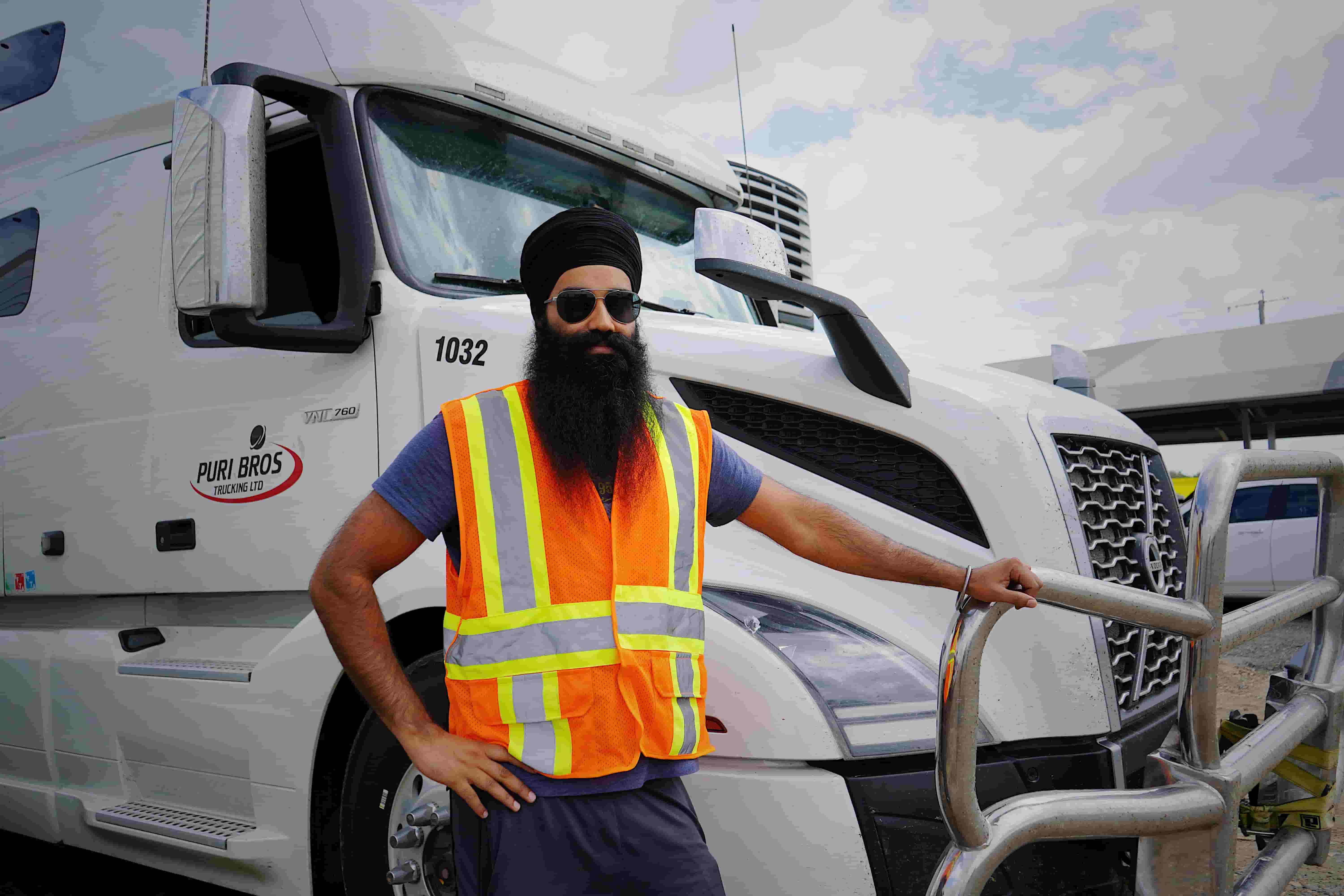
An owner-operator owns the truck, signs the lease or the authority paperwork, and carries the insurance risk personally. That is completely different from a company driver, who is covered under an employer's fleet policy the moment they clock in, and different from a fleet owner, who insures multiple trucks and hired drivers under one commercial program. If you are an owner-operator, the insurance stack you need depends on one question first: are you leased to a motor carrier, or are you running under your own FMCSA authority?
This guide breaks down the coverage stack for owner-operators specifically, not general commercial truck pricing. For cost by truck type and by state across all of Dragon's markets, see our commercial truck insurance cost guide. For the coverage that fills the gap between dispatched loads, see our non-trucking liability guide. Dragon Insurance is appointed with Progressive, GEICO, and Trinity Underwriters for owner-operator and commercial trucking coverage, plus additional specialty and excess and surplus (E&S) markets through master brokerage relationships for harder-to-place risk, comparing what's available in a single call.
Key Takeaways
Quick Answer
What is owner-operator truck insurance?
Owner-operator truck insurance is the coverage stack an independent trucker builds for a truck they personally own and operate, separate from any policy a motor carrier or fleet provides to its employees. It typically includes primary liability, motor truck cargo, physical damage, non-trucking liability (NTL), general liability, and occupational accident coverage. What you actually need to buy depends on whether you are leased to a motor carrier or running under your own FMCSA operating authority.
On cost: premiums can start around $200 a month for a clean-record truck with established authority, but the range runs into the thousands depending on your equipment, cargo, radius, authority age, and driving history. Call 717-229-5115 for your actual rate. Running your own authority typically costs meaningfully more than leasing on, because you carry primary liability and cargo yourself. For published industry averages by truck type and state, see the benchmark table in our commercial truck insurance cost guide.
These three roles get confused constantly, and the confusion leads to real coverage gaps. Here is the distinction that actually matters for insurance:
Company driver
Drives a truck owned by an employer and is covered under the employer's commercial fleet policy at all times, including primary liability, cargo, and physical damage. Does not need to buy personal commercial trucking insurance.
Owner-operator
Owns and operates their own truck. Either leases on to a motor carrier and runs under that carrier's authority, or holds their own FMCSA authority (MC number) and books freight directly. Personally responsible for insurance either way.
Fleet owner
Owns multiple trucks and hires drivers as employees or contracts other owner-operators. Needs a commercial fleet policy plus workers' compensation for any employee drivers, a different program than a single-truck owner-operator.
This single decision changes almost everything about what insurance you are required to buy. When you lease your truck to a motor carrier, that carrier's primary liability policy covers you while you are under dispatch, meaning you are actively hauling a load on the carrier's behalf. The moment you drop the load and go off dispatch, that coverage stops. Most lease agreements require you to carry your own NTL or bobtail coverage to fill that gap, along with physical damage on your own equipment.
When you run under your own FMCSA operating authority instead, there is no carrier policy to fall back on. You carry the entire stack yourself: primary liability, motor truck cargo, physical damage, and NTL for any personal use of the truck. This is why own-authority insurance costs meaningfully more than leased-on coverage for the same truck. The table below shows the difference.
| Coverage | Leased to a Motor Carrier | Own Authority |
|---|---|---|
| Primary liability | Provided by the carrier while under dispatch | You must carry it yourself |
| Motor truck cargo | Usually provided by the carrier | You must carry it yourself |
| Physical damage | You carry it on your equipment | You carry it on your equipment |
| NTL or bobtail | You carry it for off-dispatch use | You carry it for personal use |
| General liability | Sometimes provided; confirm with your carrier | You must carry it yourself |
Coverage responsibilities vary by lease agreement. Always confirm exactly what your motor carrier's policy provides in writing before assuming you are covered.
Whether you are shopping for your first authority or reviewing an existing lease, these are the pieces that make up a complete owner-operator insurance package:
Semi truck and trailer insurance is usually quoted as one program, but the tractor and the trailer are covered by different parts of it, and that catches owner-operators out more often than any other gap in the stack. Liability follows the power unit. Physical damage is scheduled per unit. So a trailer you own must be listed separately, with its own stated value, or it is simply not covered when it is damaged.
Which coverage applies depends on whose trailer you are pulling:
The practical rule: every trailer you could be held financially responsible for should appear somewhere on your policy, either scheduled on physical damage or covered by trailer interchange. Bring your lease or interchange agreement to your quote call so the limits match what you have actually signed up to be liable for.
Owner-operators are independent contractors, not employees, which means most states do not require and most workers' compensation policies will not cover a sole-proprietor owner-operator. If you are hurt on the job with no other coverage in place, you are personally on the hook for medical bills and lost income while you recover.
Occupational accident insurance closes that gap. It pays medical expenses, disability income, and death or dismemberment benefits tied to a work-related injury, structured similarly to workers' compensation but written for independent contractors. It is generally one of the more affordable pieces of the stack, though the real cost depends on your coverage limits and occupation class. Many motor carrier lease agreements require leased-on owner-operators to carry it as a condition of the lease, since the carrier has no other way to cover an injury to a contractor who is not on its payroll.
Occupational accident insurance does not cover injuries off the job, and it does not replace general liability or motor truck cargo. It is one piece of the stack, not a substitute for the rest of it.
Leased-on and own-authority owner-operators are priced very differently, because they are buying different amounts of coverage. A leased-on setup (physical damage plus NTL/bobtail, since the carrier provides primary liability while dispatched) is generally the lighter, lower-cost package. Running your own FMCSA authority means carrying the full stack yourself, primary liability, cargo, physical damage, and NTL, which is meaningfully more expensive. Premiums can start around $200 a month for a clean-record truck with established authority, but the range runs into the thousands depending on your equipment, cargo, radius, authority age, and driving history. Call 717-229-5115 for your actual rate.
Published industry averages by truck type and state do not separate leased-on trucks from own-authority trucks, so Dragon runs your specific setup against Progressive, GEICO, and Trinity Underwriters, plus additional specialty and E&S markets for harder-to-place risk, and gives you a real number. Call 717-229-5115 or request a free quote with your authority status, cargo, and driving history for an accurate rate.
New authorities almost always pay more than established ones. Carriers treat the first 12 to 24 months of a new MC number as a higher-risk period regardless of the driver's underlying CDL experience. Once you build a claim-free year or two under your own authority, renewal pricing typically improves. For published industry averages by truck type and by state across the states Dragon serves, see the benchmark table in our commercial truck insurance cost guide.
One intake. Every owner-operator market compared.
Get your owner-operator insurance package quoted in one call.
Tell us whether you are leased on or running your own authority, plus your cargo and driving history. We run your risk through Progressive, GEICO, and Trinity Underwriters, with specialty and E&S access for harder risks, and structure the full stack correctly the first time.
Federal financial responsibility rules set the floor, not the ceiling. Most brokers and shippers require higher limits than the bare federal minimum before they will tender a load.
| Cargo Type | FMCSA Minimum | Common Broker Requirement |
|---|---|---|
| General freight | $750,000 | $1,000,000 |
| Oil (non-hazardous) | $1,000,000 | $1,000,000 |
| Hazardous materials, hazardous substances | $1,000,000 to $5,000,000 | Set by shipper contract |
Limits set under 49 CFR Part 387. Verify current requirements with FMCSA and your broker or shipper agreements before binding coverage.
For New Owner-Operators Starting Out
Owner-operator trucking is one of the most common paths to small business ownership across Pennsylvania, Texas, and Dragon's other service states. If you are registering new authority around the capital region, see our Harrisburg trucking insurance guide for the carrier order we work there. Many new operators start out leased to a motor carrier and later move to their own authority once they have built experience and savings. The insurance paperwork changes completely at that transition point, and getting it wrong can mean an uncovered accident or a lease violation.
Dragon Insurance walks new and experienced owner-operators through exactly what changes between leased and own-authority coverage, what a broker or shipper will require before tendering a load, and how to structure occupational accident coverage since most owner-operators do not qualify for workers' compensation. We know your time on the road is money, so our team gets straight to the numbers and the paperwork, no long sales pitch.
What is owner-operator truck insurance?
Owner-operator truck insurance is the coverage package an independent trucker builds for a truck they personally own and operate. It typically includes primary liability, motor truck cargo, physical damage, non-trucking liability, general liability, and occupational accident insurance. Which pieces you must buy depends on whether you are leased to a motor carrier or running under your own FMCSA authority.
What is the difference between an owner-operator and a company driver?
A company driver operates a truck owned by an employer and is covered under that employer's commercial fleet policy at all times. An owner-operator owns the truck personally and is responsible for their own insurance stack, whether they lease to a motor carrier or run under their own authority. Company drivers do not need to buy personal commercial trucking insurance.
Does my motor carrier's insurance cover me if I am leased on?
Only while you are under dispatch, meaning you are actively hauling a load on the carrier's behalf. The moment you go off dispatch, drop the trailer, or use the truck for personal reasons, that coverage stops. Most lease agreements require you to carry non-trucking liability or bobtail insurance to fill that gap.
How much does owner-operator truck insurance cost?
It depends heavily on your setup. A leased-on owner-operator generally pays less, since the carrier provides primary liability while dispatched. An owner-operator running under their own authority pays substantially more for the full stack, primary liability, cargo, physical damage, and NTL. Premiums can start around $200 a month for a clean-record truck with established authority, but the range runs into the thousands depending on your equipment, cargo, radius, authority age, and driving history. Call 717-229-5115 for your actual rate.
What insurance do I need if I run under my own authority?
Running under your own FMCSA authority means you carry the full stack yourself: primary liability ($750,000 minimum for general freight), motor truck cargo (brokers commonly require $100,000), physical damage on your tractor and trailer, and non-trucking liability for any personal use. General liability and occupational accident coverage round out a complete package.
Do I need workers' compensation as an owner-operator?
Generally no. Workers' compensation covers employees, and most owner-operators are independent contractors or sole proprietors, not employees of the motor carrier they haul for. Occupational accident insurance is the common substitute, providing medical, disability, and death benefits for a work-related injury.
What is occupational accident insurance and do I need it?
Occupational accident insurance pays medical expenses, disability income, and death or dismemberment benefits for a work-related injury, functioning similarly to workers' compensation but written for independent contractors. It is generally one of the more affordable pieces of the stack, though the real cost depends on your coverage limits and occupation class. Many motor carrier lease agreements require it for leased-on owner-operators.
What is the FMCSA minimum liability for owner-operators?
FMCSA requires a $750,000 primary liability minimum for owner-operators hauling general freight, $1,000,000 for oil transport, and up to $5,000,000 for certain hazardous materials, per 49 CFR Part 387. Most freight brokers require $1,000,000 in practice, regardless of the federal floor.
Do I need general liability insurance as an owner-operator?
Yes, in most cases. General liability covers third-party bodily injury or property damage that is not tied to driving the truck itself, such as an injury at a shipper's dock or a completed-operations claim. It is typically one of the lower-cost pieces of the stack. It is separate from your primary auto liability and often required by shippers before you can enter their facility.
Leased-on and own-authority owner-operators need genuinely different coverage, and getting it wrong leaves a real gap the first time something goes wrong. Dragon builds the correct package for your specific setup, shops your risk with Progressive, GEICO, and Trinity Underwriters in a single call, and files the paperwork your carrier or authority requires. For the full business insurance picture, see our commercial trucking insurance page.
Visit us: 1525 Cedar Cliff Dr STE 202, Camp Hill, PA 17011
Serving PA, TX, VA, MD, OH, TN, and KY. English, Nepali, and Hindi spoken.

Commercial Truck Insurance Cost 2026
Cost by truck type and by state across the states Dragon serves.
Read more
What Is Non-Trucking Liability Insurance?
The coverage gap between dispatched hauls that every owner-operator needs to fill.
Read more
Commercial Trucking Insurance Requirements by State
FMCSA minimums, state rules, and broker requirements explained in one guide.
Read more
Dragon Insurance Services LLC is a licensed independent insurance agency. This article reflects general market factors and our agency's quoting experience across PA, TX, VA, MD, OH, TN, and KY; it is not a price quote or a guaranteed rate. Actual premiums vary by market, authority status, cargo, driving record, and state, and are subject to underwriting approval. Contact us for a personalized quote.
Explore Related Coverage
Ready to compare carriers and get a quote?
Dragon Insurance is an independent agency in Camp Hill, PA. We shop 30+ carriers to find your best rate.
Prefer to talk it through?
Get a real quote from a licensed advisor. English, Nepali, and Hindi spoken.
About the Author
Bimal GurungCEO, Agency Principal & Licensed Insurance Agent
Bimal Gurung is CEO and Agency Principal of Dragon Insurance Services, an independent agency in Camp Hill, PA that compares 30+ carriers for clients across Pennsylvania, Texas, Virginia, Maryland, Ohio, Tennessee, and Kentucky.
Meet the Dragon Insurance teamContinue Reading
Business
Commercial Truck Insurance Cost: What Drives It
12 min read
Business
What Is Non-Trucking Liability Insurance? Owner-Op Guide
10 min read
Business
Texas Commercial Trucking Insurance | Dragon
13 min read
Business
Short-Term Trucking Insurance: What's Real in 2026
10 min read
Business
Motor Truck Cargo Insurance: Who Needs It in 2026
14 min read
Business
Commercial Dump Truck Insurance for Owners and Contractors
11 min read