Loading
Preparing your coverage insights...
Our Locations
Loading
Preparing your coverage insights...
What Texas truckers need to stay legal and insured: who registers with TxDMV, how the insurer-filed Form E works and why a lapse ends your authority, the $500,000 Texas intrastate minimum next to the federal $750,000, $1,000,000 and $5,000,000 tiers, and the cargo, physical damage, and non-trucking liability coverage that shippers and lenders require on top.
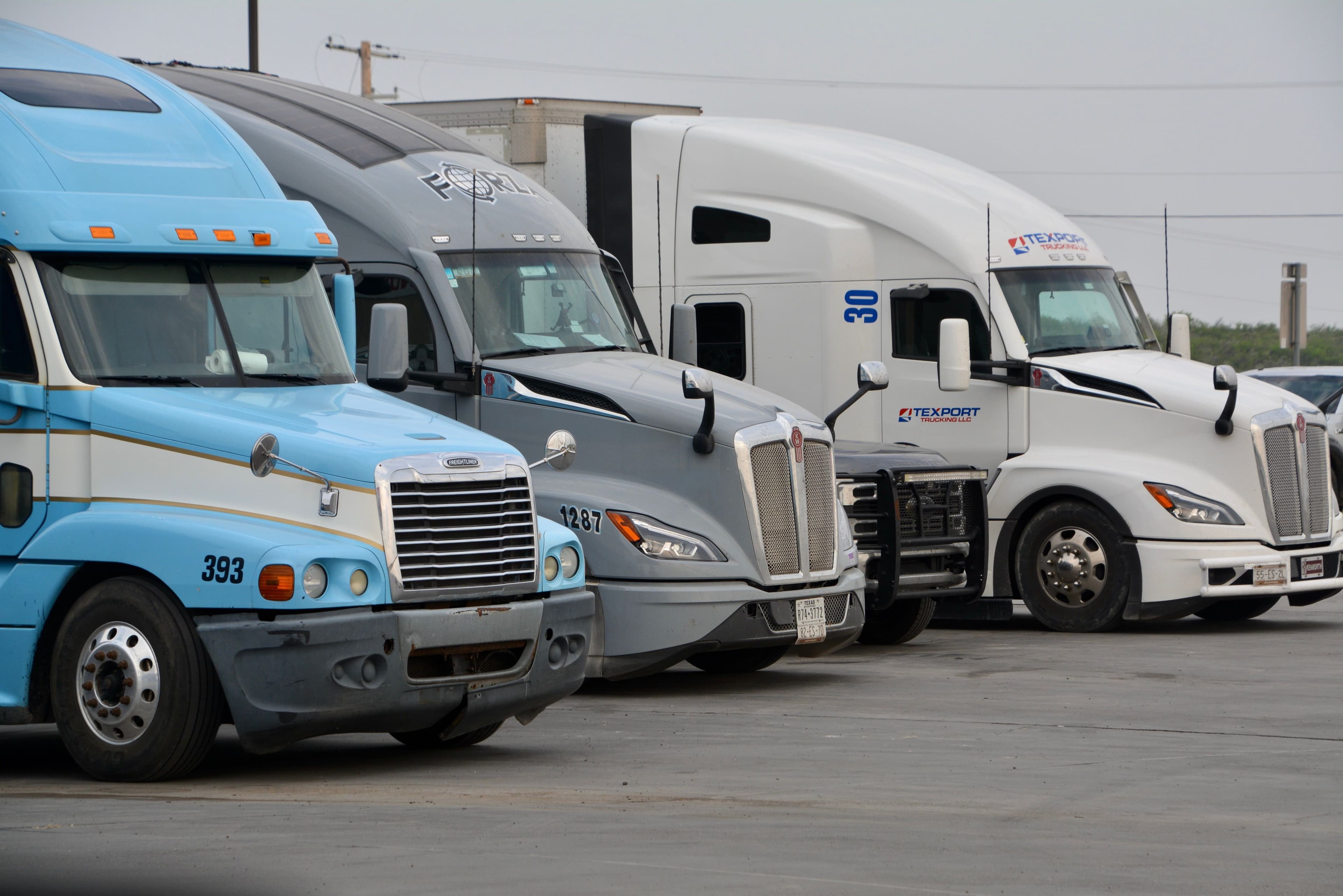
Picture a Houston owner-operator who gets a TxDMV Number, lines up a steady run of intrastate loads between the Ship Channel and San Antonio, and then misses one renewal payment. The policy cancels, the insurance record in the state system goes inactive, and the authority to haul for hire inside Texas goes with it. The first sign could be a roadside inspection. In Texas, your operating authority is only as alive as the Form E your insurer has on file with TxDMV, and that one filing is the piece most new carriers never think about until it is gone.
Texas trucking runs on two rulebooks at once. Federal rules from FMCSA cover freight that crosses state lines. The Texas Department of Motor Vehicles (TxDMV) covers freight that starts and ends inside Texas, with its own registration number, its own insurance filing, and its own minimum limits. Plenty of Texas carriers need both. This guide covers who has to register with TxDMV, how the Form E filing works, how the state and federal minimums compare, the coverages every shipper and lender demands on top of the law, and what actually drives a Texas trucking premium.
Quick Answer
What trucking insurance is required in Texas? Texas intrastate carriers running vehicles over 26,000 lbs need at least $500,000 in liability, proven by a Form E your insurer files with TxDMV. Interstate for-hire carriers need $750,000 under federal rules, with higher tiers for hazmat. Cargo and physical damage are not legally required, but shippers and lenders demand them.
A TxDMV Number is Texas intrastate operating authority. It is separate from your USDOT number, and it does not replace it. According to the TxDMV Motor Carrier Handbook, a valid USDOT number is a prerequisite for getting a TxDMV Number, so the federal number comes first even if you never leave the state.
You need to register with TxDMV if you operate commercial motor vehicles inside Texas and any of these apply:
USDOT Number
Your federal safety identifier. It ties to your inspection history, CSA scores, and safety rating. Interstate for-hire carriers prove insurance to FMCSA through a BMC-91 or BMC-91X filing. In Texas, you also need a valid USDOT number before TxDMV will issue intrastate authority.
TxDMV Number
Your Texas intrastate authority. Insurance is proven with a Form E filed in the Texas Motor Carrier Credentialing System (TxMCCS). If you haul both interstate and intrastate loads, plan on keeping both numbers and both insurance filings active.
Not sure which rules apply to your lanes? Our trucking insurance requirements by state guide compares Texas against every other state Dragon is licensed in.
Opening Texas authority?
Get the liability your TxDMV Number needs, quoted.
We quote primary liability at the Texas or federal limit your operation requires, compare carriers side by side, and bind coverage so your Form E can be filed and your authority can activate.
Texas does not take your word, or a paper certificate, as proof of insurance. It takes a Form E, filed electronically in the Texas Motor Carrier Credentialing System (TxMCCS). Here is how it works, per the TxDMV Motor Carrier Handbook:

A lapse is not a paperwork problem you fix later. It is a stop sign. Once the insurance on file goes inactive, you cannot legally run intrastate for-hire loads until new coverage is bound and a fresh Form E is on file. That usually happens in one of three ways:
Switching carriers or facing a cancellation notice?
We quote replacement coverage, bind it before your current policy ends, and have the new insurer file your Form E in TxMCCS so your Texas authority never goes dark between policies.
These are legal floors, not pricing and not what a broker or shipper will accept. Most contracts ask for more. Use this table to see which minimum applies to your operation.
| Regulator | Operation | Minimum |
|---|---|---|
| TxDMV (intrastate) | Private or for-hire carriers, vehicles over 26,000 lbs | $500,000 |
| TxDMV (intrastate) | Household goods carriers, vehicles under 26,000 lbs | $300,000 |
| TxDMV (intrastate) | Household goods cargo | $5,000 per vehicle / $10,000 aggregate |
| TxDMV (intrastate) | Certain hazardous materials | $5,000,000 |
| FMCSA (interstate) | For-hire, nonhazardous property, 10,001 lbs or more | $750,000 |
| FMCSA (interstate) | Oil in bulk; listed hazardous materials in cargo tanks | $1,000,000 |
| FMCSA (interstate) | Bulk Division 1.1 to 1.3 explosives, poison gas, highway route controlled Class 7 | $5,000,000 |
Sources: TxDMV Motor Carrier Handbook (May 2025); 49 CFR 387.9.
The practical takeaway: an intrastate-only carrier can legally run at $500,000, but the moment a load crosses a state line the federal $750,000 floor applies. If your lanes might ever reach Louisiana, Oklahoma, or New Mexico, price the policy at the federal limit from the start.
The Form E only proves liability, the coverage that pays other people. It does nothing for your truck, the freight you are hauling, or the trailer you just picked up. These four coverages fill those gaps, and in practice you will not get a load or a loan without most of them.
Motor Truck Cargo
Pays for the freight in your care if it is damaged, stolen, or lost in transit. Brokers and shippers ask for it before tendering a load. Match the limit to the most valuable load you realistically haul, and confirm the policy does not exclude your commodity, since reefer breakdown, electronics, and high-value goods are common carve-outs.
Physical Damage
Covers your own tractor and trailer. Collision pays for accident damage, and comprehensive pays for fire, theft, hail, flood, and vandalism, all real exposures on Texas Gulf Coast and Panhandle routes. Any lender or lessor financing your equipment will require it and name themselves as loss payee.
Non-Trucking Liability
For owner-operators leased onto a motor carrier. The carrier's liability covers you while you are under dispatch. Non-trucking liability covers you when you are not, such as driving the truck home or on a personal errand. Most lease agreements require it. Our non-trucking liability guide explains where it stops and bobtail coverage starts.
Trailer Interchange
Covers physical damage to a trailer you do not own but pull under a written interchange agreement, attached or detached, while it is in your possession. Port and intermodal drayage around Houston and Laredo runs on these agreements, and the trailer owner will expect proof before the swap.
Running under your own authority versus leasing on changes which of these you buy. Our owner-operator truck insurance guide walks through the full stack for each path.
Texas is not just big. It concentrates two kinds of freight that change how underwriters look at a Texas carrier: cross-border volume through Laredo and petrochemical and hazmat freight around Houston.
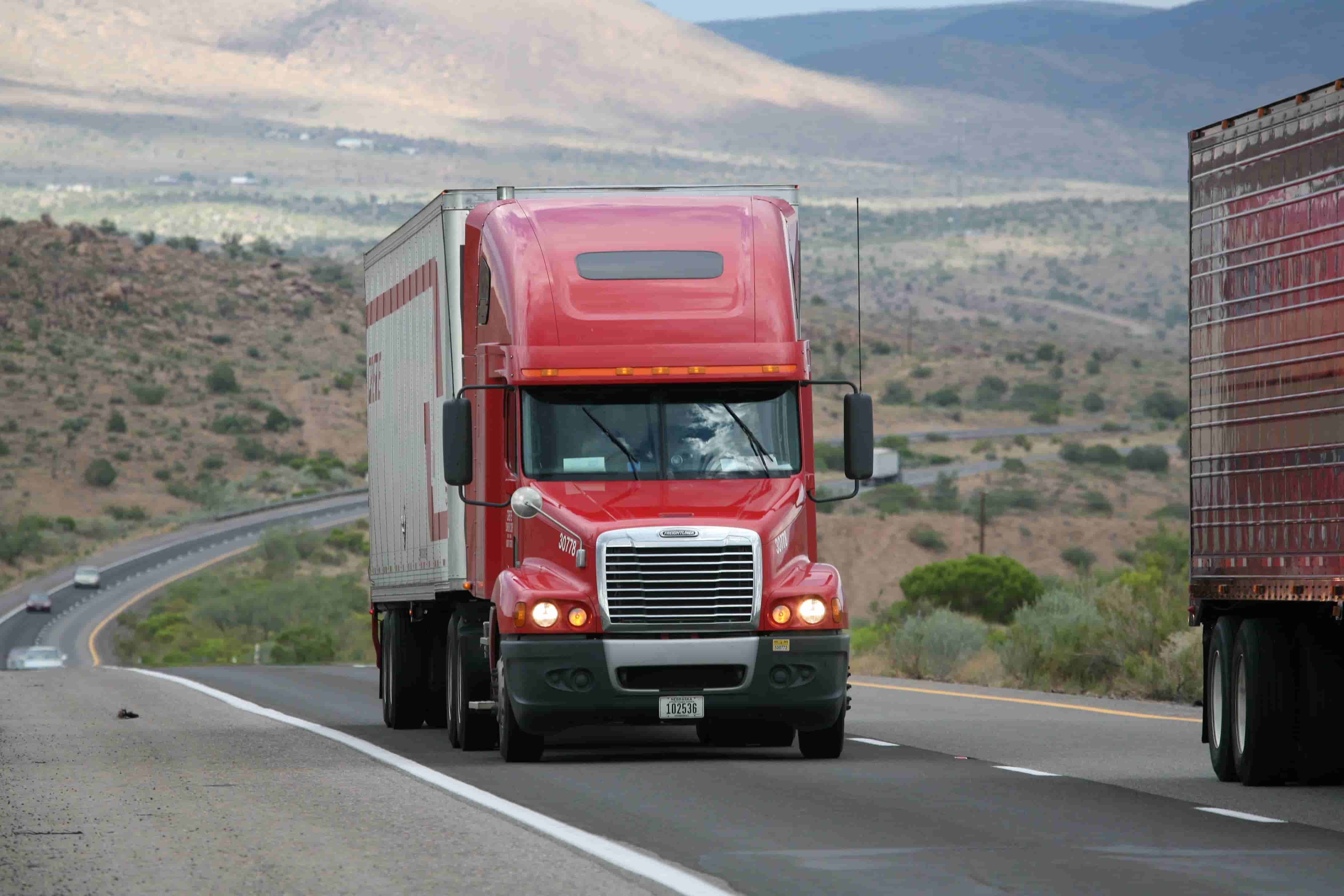
The Mexico coverage gap every border carrier should know
Standard US commercial auto policy forms define the coverage territory as the United States, its territories, Puerto Rico, and Canada. Mexico is outside that territory. Mexican law also recognizes only liability coverage issued by an admitted Mexican insurer. A US trucking policy, however complete on the Texas side of the river, does not follow the truck across the bridge.
On the US side, Dragon quotes the primary liability, motor truck cargo, physical damage, and trailer interchange that Laredo drayage and warehouse runs require. See our Laredo trucking insurance page for local details.
Hauling in the Houston area? Our Houston trucking insurance page covers port and refinery freight. For the Dallas-Fort Worth distribution corridor, see Dallas trucking insurance and Arlington trucking insurance.
Premiums can start around $200 a month for a clean-record truck with established authority, but the range runs into the thousands depending on your equipment, cargo, radius, authority age, and driving history. These are the factors underwriters weigh most:
Because each carrier weighs these factors differently, the same truck can price very differently from one market to the next. Dragon compares quotes from Progressive, GEICO, and Trinity Underwriters, plus specialty and excess and surplus markets through master brokerage relationships, so new authority and harder-to-place commodities have more markets competing for the policy.
Dragon is an independent agency licensed in Texas, so we shop your operation across several trucking markets instead of one. Here is what that means for your policy:
Get your Texas trucking package quoted
Liability, cargo, physical damage, and NTL, compared across carriers.
Have your USDOT number, TxDMV UIN, VINs, cargo type, radius, and driver list ready. We compare carriers, bind the coverage, and get your Form E filed so you can keep hauling.
Dragon Insurance Services, 1525 Cedar Cliff Dr STE 202, Camp Hill, PA 17011. Licensed in PA, TX, VA, MD, OH, TN, and KY.
What trucking insurance is required in Texas?
Texas intrastate carriers with vehicles over 26,000 lbs need at least $500,000 in liability, proven by a Form E filed with TxDMV. Interstate for-hire carriers need at least $750,000 under 49 CFR 387.9, with higher limits for hazmat. Cargo and physical damage are not legally required but are expected by shippers and lenders.
What is the difference between a TxDMV Number and a USDOT number?
A USDOT number is your federal safety identifier. A TxDMV Number is Texas intrastate operating authority. They are separate, and TxDMV requires a valid USDOT number before it will issue a TxDMV Number. Carriers that haul both interstate and intrastate loads generally keep both active.
Who needs a TxDMV Number?
You need to register with TxDMV if you operate vehicles over 26,000 lbs in Texas intrastate commerce, haul hazardous materials that require placards, or transport household goods for compensation. Household goods movers need registration even with trucks under 26,000 lbs.
What is a Form E in Texas and who files it?
A Form E is the electronic proof of liability insurance TxDMV requires for intrastate authority. Your insurance company's underwriters file it through the Texas Motor Carrier Credentialing System (TxMCCS), not you. You give your insurer your UIN so the filing reaches the right account. The insurance filing fee is $100.
What happens if my Form E lapses?
Your Texas operating authority lapses too. TxDMV requires the insurance to stay active in TxMCCS, so a canceled policy or a gap between carriers stops you from legally hauling intrastate loads until new coverage is bound and a new Form E is on file.
How much does trucking insurance cost in Texas?
Premiums can start around $200 a month for a clean-record truck with established authority, but the range runs into the thousands depending on your equipment, cargo, radius, authority age, and driving history.
Does my US trucking policy cover me in Mexico?
No. Standard US commercial auto policy forms define the coverage territory as the United States, its territories, Puerto Rico, and Canada, so Mexico is outside it. Mexican law also recognizes only liability coverage from an admitted Mexican insurer.
Do I need cargo insurance in Texas?
For most general freight, no law requires it, but brokers and shippers ask for motor truck cargo coverage before they tender a load. Texas household goods carriers are the exception: TxDMV requires cargo coverage of $5,000 per vehicle and $10,000 aggregate.
Do leased owner-operators in Texas need their own insurance?
Usually yes. The motor carrier's liability covers you under dispatch, but most leases require you to carry non-trucking liability for off-dispatch driving and physical damage on your own truck. Check your lease for any cargo or trailer interchange requirements too.
Last updated: September 2026. Dragon Insurance Services LLC is a licensed independent insurance agency. Coverage availability, terms, limits, and rates vary by carrier, authority age, cargo type, and driver record. TxDMV and FMCSA minimums are subject to regulatory change; verify current requirements with the agency or a licensed agent. Minimum limits shown are legal requirements, not quotes.
Explore Related Coverage
Ready to compare carriers and get a quote?
Dragon Insurance is an independent agency in Camp Hill, PA. We shop 30+ carriers to find your best rate.
Prefer to talk it through?
Get a real quote from a licensed advisor. English, Nepali, and Hindi spoken.
About the Author
Bimal GurungCEO, Agency Principal & Licensed Insurance Agent
Bimal Gurung is CEO and Agency Principal of Dragon Insurance Services, an independent agency in Camp Hill, PA that compares 30+ carriers for clients across Pennsylvania, Texas, Virginia, Maryland, Ohio, Tennessee, and Kentucky.
Meet the Dragon Insurance teamContinue Reading