
Loading
Preparing your coverage insights...
Our Locations
Loading
Preparing your coverage insights...
A practical guide to trucking insurance for 2026 based on Dragon Insurance's quoting experience. Covers FMCSA minimum requirements, BMC-91 filings, what drives cost, new authority vs. established fleet differences, and 5 policy red flags to watch for.
Get a business insurance quote. One call compares the carriers we write side by side.
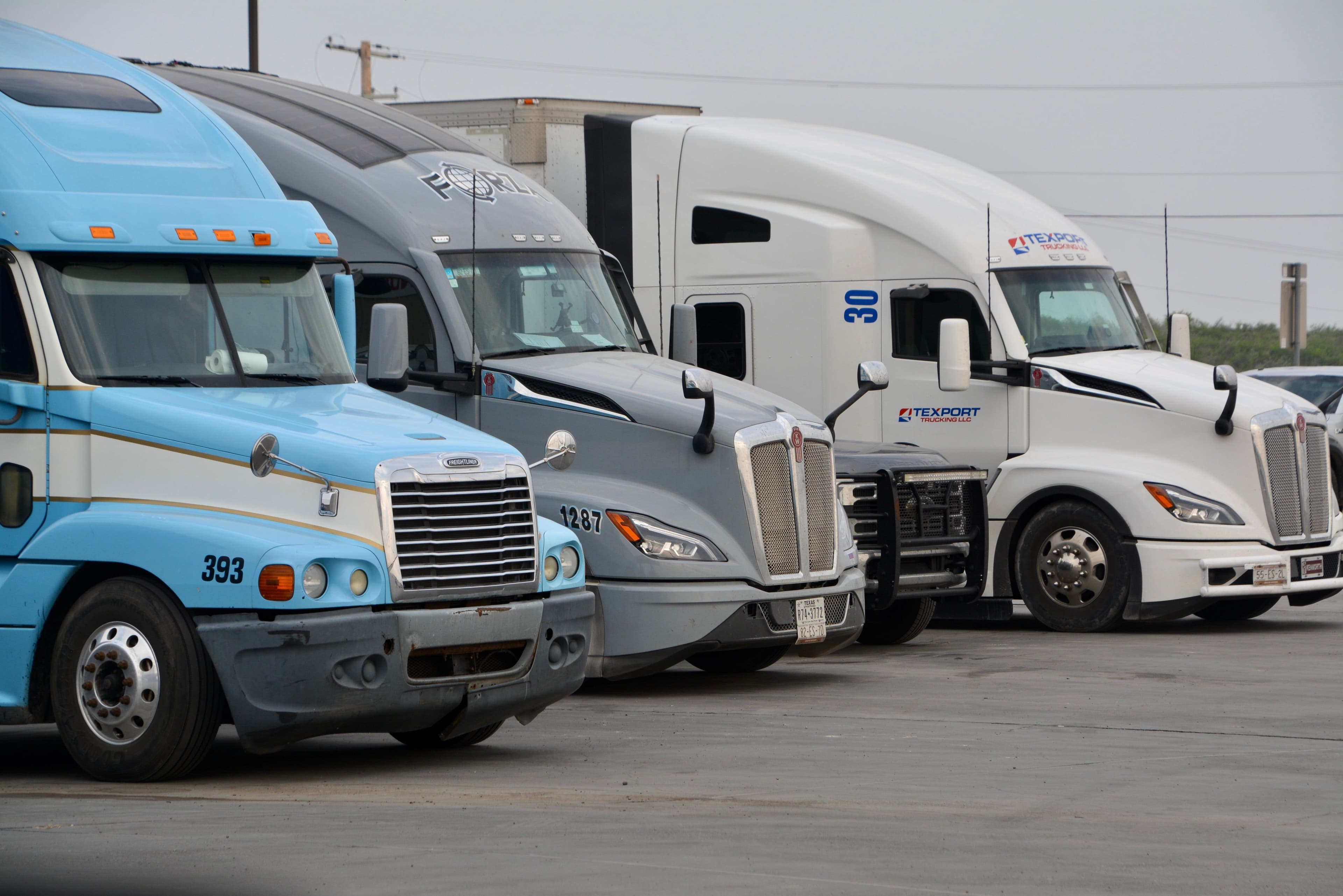
Picking the wrong trucking insurance carrier is not just an expensive mistake; it is a compliance risk and a business survival risk. A carrier that sounds legitimate on the phone but lacks the authority to file your BMC-91 leaves your DOT number in violation the moment you leave the yard. A carrier with a weak commercial trucking underwriting team declines your claim for a cargo exclusion you did not know was in your policy. And a new owner-operator who buys the cheapest policy they can find often discovers at first renewal that the rate was a teaser that doubles once the carrier gets a look at their full loss run.
Dragon Insurance is appointed with Progressive, GEICO, and Trinity Underwriters for commercial trucking coverage, and we also have access to additional specialty and excess and surplus (E&S) markets through master brokerage relationships for risk that does not fit a standard admitted market. We match your operation, cargo, and driver history to whichever of these fits best at renewal. This guide explains what the FMCSA minimum requirements actually are, how trucking coverage is priced, and how to avoid the five red flags that signal a policy will fail you at claim time.
Key Takeaways
Quick Answer
What makes trucking insurance different from regular commercial auto?
Trucking insurance is a specialized commercial lines product built for motor carriers operating under DOT authority. Unlike standard commercial auto, trucking coverage includes primary liability (the FMCSA-mandated coverage filed via BMC-91), cargo insurance (covering the freight you haul), physical damage (collision and comprehensive for the truck), bobtail coverage (liability when the truck is being driven without a trailer), and non-trucking liability (when the truck is used for personal purposes off-dispatch). ELD compliance and driver qualification files are also factors in underwriting. A standard commercial auto policy does not satisfy FMCSA requirements for interstate carriers.
Dragon Insurance is appointed with Progressive, GEICO, and Trinity Underwriters for commercial trucking coverage, and for trucking risk that does not fit one of those three, we also have access to specialty and excess and surplus (E&S) markets through master brokerage relationships, markets most retail agencies cannot reach directly. That access matters because trucking risk varies enormously: a new single-truck authority hauling general freight, an established multi-truck fleet running specialty cargo, and a driver with a recent violation are three completely different underwriting problems, and no single carrier is competitive for all three.
Instead of quoting one carrier and hoping it fits, we take your DOT number, truck type, cargo, radius, and driver history and shop it across our appointed carriers and, where needed, our broader E&S market access. For a clean, established fleet, that often means Progressive, GEICO, or Trinity Underwriters. For a new authority, specialty cargo, or a driver history that those markets decline, it often means moving to a specialty or E&S market instead. The right fit depends entirely on your operation, not on which carrier we happen to favor. Specialty operations run through the same process: a wrecker needs on-hook coverage built into its tow truck insurance quote, a local straight truck is priced on the factors in our box truck insurance cost guide, and a one-ton pickup pulling a gooseneck or flatbed gets the liability, cargo, and physical damage stack laid out in our hot shot trucking insurance guide.
Trucking insurance is not a single policy; it is a stack of coverage components. Some are required by the FMCSA or your operating authority; others are strongly recommended. Below is the standard coverage stack for a commercial motor carrier.
| Coverage | Required? | Recommended? | Why It Matters |
|---|---|---|---|
| Primary liability (BMC-91) | Yes (FMCSA) | Yes | Covers bodily injury and property damage to third parties. $750K minimum for general freight; $5M for hazmat. |
| Cargo insurance | Broker-required (typically) | Yes | Covers freight you are hauling if lost, damaged, or stolen. Most brokers require $100K minimum. |
| Physical damage | Lender-required (if financed) | Yes | Collision and comprehensive coverage for your truck and trailer. Without it, a total loss comes out of your pocket. |
| Bobtail (non-trucking liability) | No | Yes (for owner-operators) | Covers liability when you are driving the truck without a trailer (after delivery, before pickup). Often excluded from primary trucking policies. |
| Trailer interchange | Contractual (if required by shipper) | Situational | Physical damage coverage for non-owned trailers in your care, custody, or control under a trailer interchange agreement. |
| Occupational accident | No (for owner-operators) | Yes (owner-operators) | Workers comp substitute for independent owner-operators who are not eligible for employer WC. Pays medical and disability benefits after on-the-job injury. |
Trucking insurance pricing does not fit a simple table. Truck type, cargo class, operating radius, driver history, and years of authority all move the number independently, and two operations that look similar on paper can land in very different pricing tiers. Premiums can start around $200 a month for the smallest, lowest-risk operations, but for most commercial trucking risk the realistic range runs well into the thousands of dollars per month per truck.
Rather than quote a table of estimates that may not reflect your actual risk, Dragon shops your specific operation across our full trucking market access and gives you a real number. Call 717-229-5115 or request a free quote with your DOT number, truck type, cargo, radius, and driver history for an accurate rate.
The insurance market treats new motor carrier authorities very differently from established fleets, and the price difference is significant. A carrier with three or more years of operating history, a clean loss run, and documented safety programs will pay meaningfully less per truck than a new authority with no track record, even with the same driver and the same truck.
For new authorities, the practical reality is: expect to pay at the top of the market for the first 12 to 24 months, shop aggressively at renewal as your loss run builds, and make sure every driver in your operation has a clean MVR and a completed driver qualification file before you quote. A single driver with a recent DUI or major violation can push an otherwise clean account into the specialty and E&S market, where Dragon's master brokerage access is often the only path to coverage. If you only need a truck covered for a single haul or a seasonal run, our short-term trucking insurance guide explains why we usually quote that need on an annual policy billed monthly.
For established fleets with three or more years of authority and a documented safety program, several of the markets in Dragon's access have competitive fleet rating programs that reward clean operations. Dragon re-shops these accounts annually and moves them to the most favorable market as their loss run history develops.
Wrong carrier at the wrong price costs you more than you think
Get your trucking risk quoted across multiple markets in one call.
Tell us your DOT number, truck type, cargo, radius, and driver history once. We shop it across Progressive, GEICO, and Trinity Underwriters, plus our broader E&S market access, with identical coverage requested so you see a real comparison.
Broad cargo exclusions
If your cargo policy excludes electronics, refrigerated goods, or high-value freight without you asking, that exclusion will deny a claim exactly when you need it most. Read the cargo exclusion list before you bind, not after.
Radius limits in the policy form
Some policies specify an operating radius (e.g., within 500 miles of your home terminal) and exclude claims that occur outside that radius. If you occasionally run OTR or cross your stated radius, a claim outside that boundary may be denied entirely.
Driver age and experience restrictions
Many trucking policies include underwriting conditions that void coverage for drivers under 25 or with less than two years of CDL experience. Adding a younger driver without notifying your carrier mid-term can invalidate your policy for any claim involving that driver.
Lapse provisions and cancellation speed
A missed payment on a trucking policy can trigger cancellation within 10 days in most states. A lapse in coverage also triggers the BMC-91 filing to go inactive with the FMCSA, which puts your operating authority in violation. Automatic payment is not optional in trucking.
BMC-91 filing gaps
If your carrier switches or if you change policies, there must be no gap between the old BMC-91 filing going inactive and the new one going active. Even a 24-hour filing gap creates a violation record on your DOT number that affects future underwriting. Dragon manages the transition.
New owner-operators: navigating new authority and FMCSA compliance
Many of our trucking clients are first-time owner-operators who have recently obtained their CDL and are starting their own trucking authority. Most want straight answers fast, not a long sales conversation, since a truck sitting idle costs money every day. The paperwork involved in starting a new trucking operation is substantial: DOT registration, MC authority, BOC-3 filing, UCR registration, and the BMC-91 insurance filing are all required before you can legally dispatch a single load. Missing any one of them creates a violation that can shut down your authority.
Dragon works with new owner-operators through the compliance checklist, makes sure the BMC-91 is filed correctly and on time, and helps you understand the ongoing requirements so you are not caught off guard at renewal. For a full overview of commercial trucking insurance in Pennsylvania, see our commercial trucking insurance Pennsylvania guide.
What is the best trucking insurance for owner-operators?
It depends entirely on your operation, cargo, and history rather than any single carrier being "the best." Dragon is appointed with Progressive, GEICO, and Trinity Underwriters for trucking coverage, and we also reach additional specialty and E&S markets through master brokerage relationships for risk those three won't take. We place you with whichever fits your specific operation.
How much does trucking insurance cost per month?
It varies widely. Premiums can start around $200 a month for the smallest, lowest-risk operations, but for most commercial trucking risk the range runs well into the thousands of dollars per month per truck, depending on truck type, cargo class, operation radius, driver history, and years of operating authority. Only a real quote for your specific operation reflects your actual rate.
What insurance do I need for a commercial truck?
At minimum, an interstate commercial motor carrier needs: primary liability coverage filed via BMC-91 (at least $750,000 for general freight), cargo insurance (typically $100,000 minimum required by freight brokers), and physical damage coverage if the truck is financed. Owner-operators leased to a motor carrier need bobtail and non-trucking liability coverage when operating off-dispatch. Occupational accident coverage is strongly recommended for owner-operators who are not covered by an employer's workers comp policy.
What is non-trucking liability (bobtail) insurance?
Non-trucking liability (NTL), often called bobtail insurance, provides liability coverage when a commercial truck is being operated for non-business purposes, meaning when it is not under dispatch and not hauling a load. Your primary trucking policy covers you while on dispatch with a load. Bobtail covers the gap when you are driving the truck without a trailer (after delivery, heading home, or between jobs). It is typically required when an owner-operator is leased to a motor carrier whose primary policy does not cover the truck off-dispatch.
What does cargo insurance cover for truckers?
Cargo insurance covers physical loss or damage to the freight you are hauling while it is in your care, custody, and control. It typically covers theft, collision damage, fire, and overturning. It does not cover cargo damage from improper loading by the shipper, temperature-sensitive cargo unless you have a reefer breakdown endorsement, or cargo excluded by name in the policy (often electronics, jewelry, pharmaceuticals, or alcohol without specific endorsements). Always read the cargo exclusion list before you bind.
How do I get trucking insurance for a new DOT authority?
New DOT authorities need primary liability coverage filed via BMC-91 before the FMCSA will activate the operating authority. The process with Dragon: provide your MC number, DOT number, truck details (year, make, model, VIN), driver information (CDL, MVR, experience), cargo description, and operating radius. We quote Progressive, GEICO, and Trinity Underwriters, plus additional E&S markets if needed, and file the BMC-91 for the market you select. The filing typically takes 24 to 48 hours to appear in the FMCSA system. Do not dispatch before confirming the filing is active.
What is the FMCSA minimum liability for trucking?
The FMCSA currently requires a minimum of $750,000 in primary liability for interstate commercial vehicles over 10,001 lbs hauling general freight. Hazardous materials shipments require $5,000,000. Non-hazardous cargo in smaller vehicles may qualify for a $300,000 minimum. Most freight brokers and shippers require $1,000,000 regardless of the federal minimum, which is effectively the market standard. The FMCSA has proposed increasing the general freight minimum to $2 million or more; a final rule could take effect in 2026 or 2027, though the timeline is not yet confirmed.
Have your DOT number, MC number, truck details, driver MVRs, cargo description, and operating radius ready. We quote you across Progressive, GEICO, and Trinity Underwriters, plus additional specialty and E&S markets if your risk needs it, file your BMC-91, and make sure you are compliant before the first dispatch. Quotes for standard single-truck operations typically take one to two business days. Complex fleets and specialty cargo may take longer for full underwriting review. See our commercial trucking insurance page for the full coverage program and to start a quote.
Visit us: 1525 Cedar Cliff Dr STE 202, Camp Hill, PA 17011
Serving PA, TX, VA, MD, OH, TN, and KY. English, Nepali, and Hindi spoken.
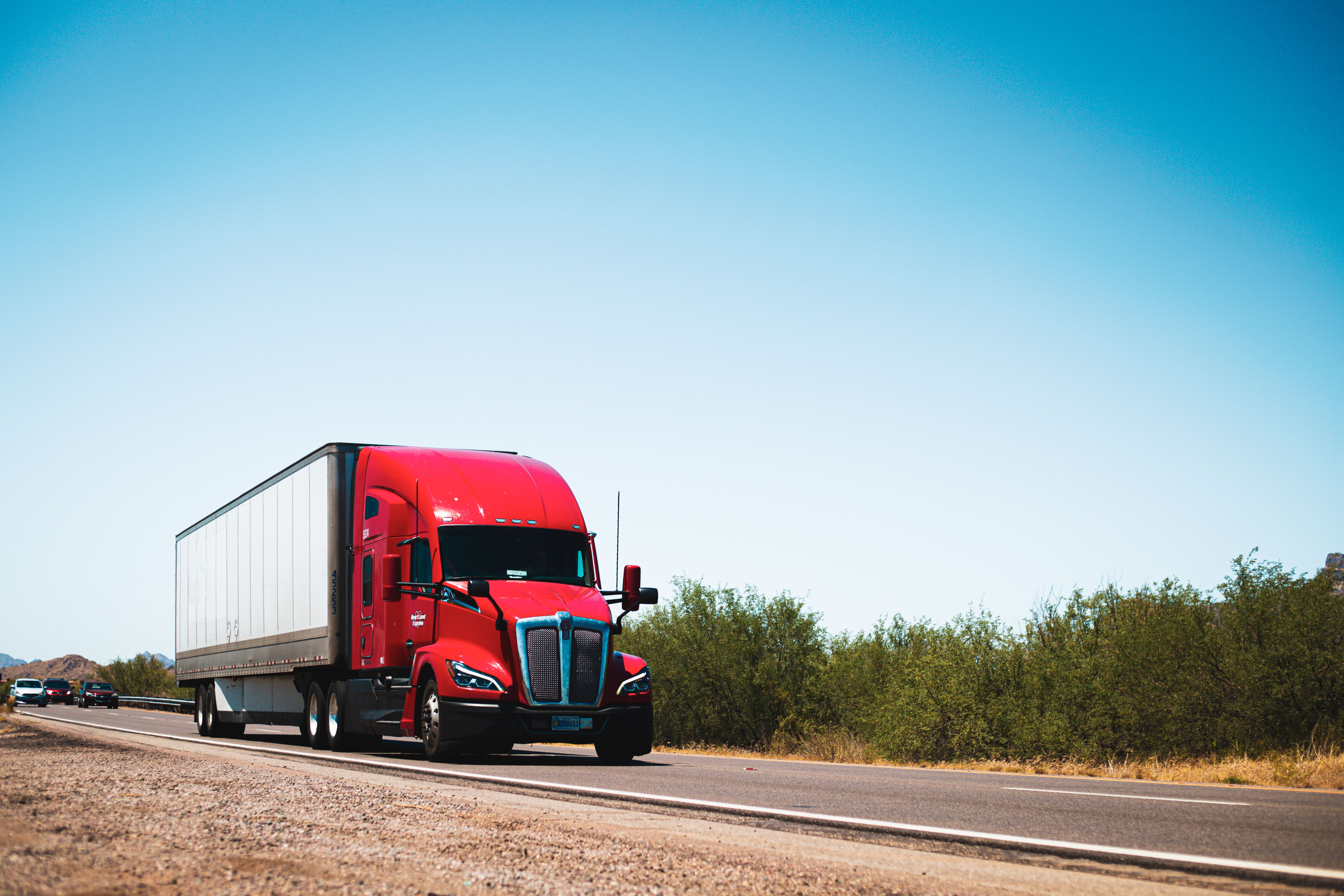
Commercial Trucking Insurance in Pennsylvania
PA-specific requirements, BMC-91 filing, and how to get covered for your trucking operation.
Read more
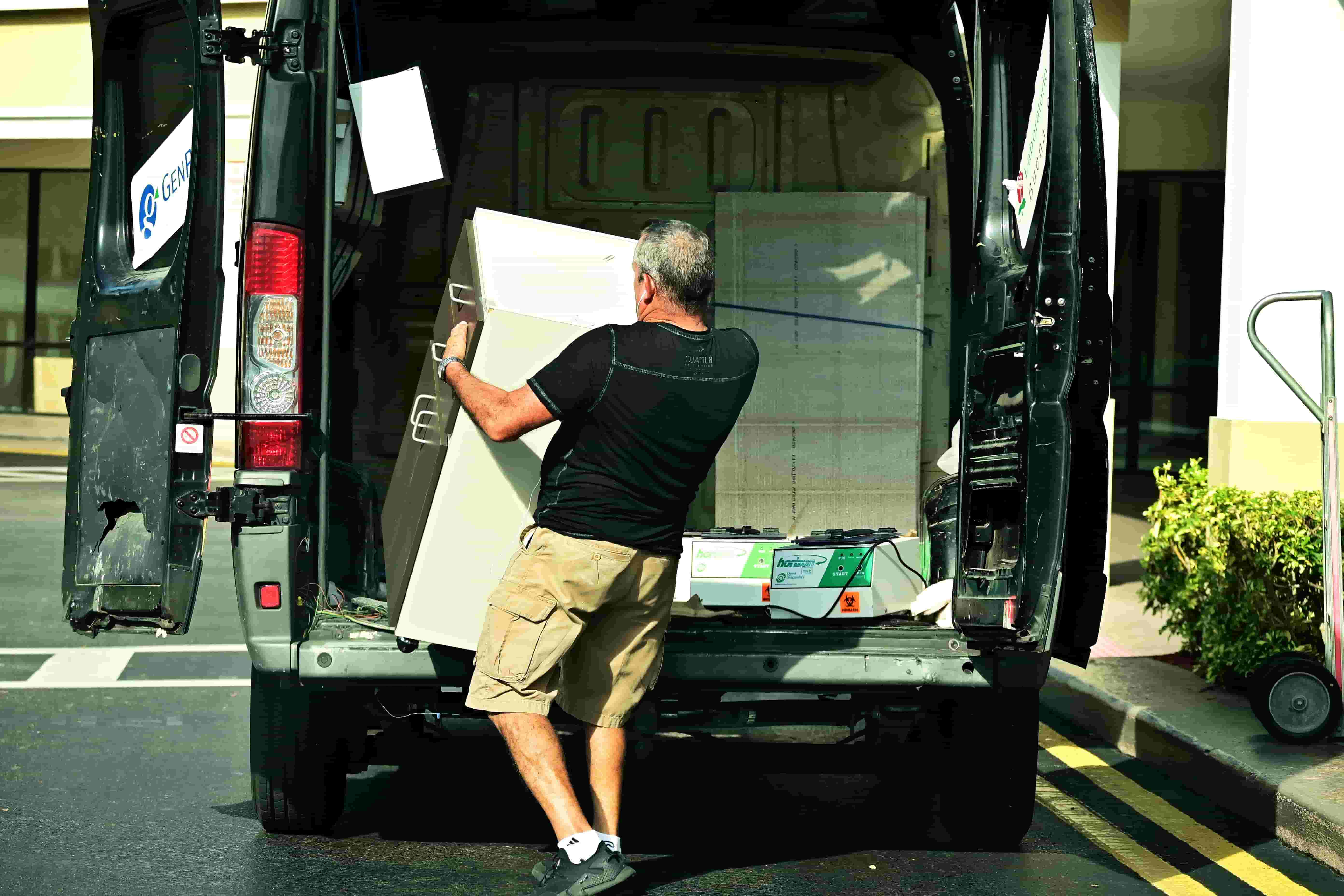
Commercial Auto Insurance Guide
What commercial auto covers, who needs it, and how it differs from trucking insurance.
Read more
Business Owners Policy (BOP) Guide
GL and commercial property bundled into one policy for small business owners.
Read more
Dragon Insurance Services LLC is a licensed independent insurance agency. Cost figures in this article reflect 2026 third-party rate data and our agency's quoting experience across PA, TX, VA, MD, OH, TN, and KY; they are estimates, not guaranteed rates. FMCSA minimum liability requirements are subject to change pending proposed rulemaking. Actual premiums vary by carrier, truck type, cargo class, driver history, operating radius, and underwriting review. Contact us for a personalized quote.
Explore Related Coverage
Ready to compare carriers and get a quote?
Dragon Insurance is an independent agency in Camp Hill, PA. We shop 30+ carriers to find your best rate.
Prefer to talk it through?
Get a real quote from a licensed advisor. English, Nepali, and Hindi spoken.
About the Author
Bimal GurungCEO, Agency Principal & Licensed Insurance Agent
Bimal Gurung is CEO and Agency Principal of Dragon Insurance Services, an independent agency in Camp Hill, PA that compares 30+ carriers for clients across Pennsylvania, Texas, Virginia, Maryland, Ohio, Tennessee, and Kentucky.
Meet the Dragon Insurance teamContinue Reading
Business
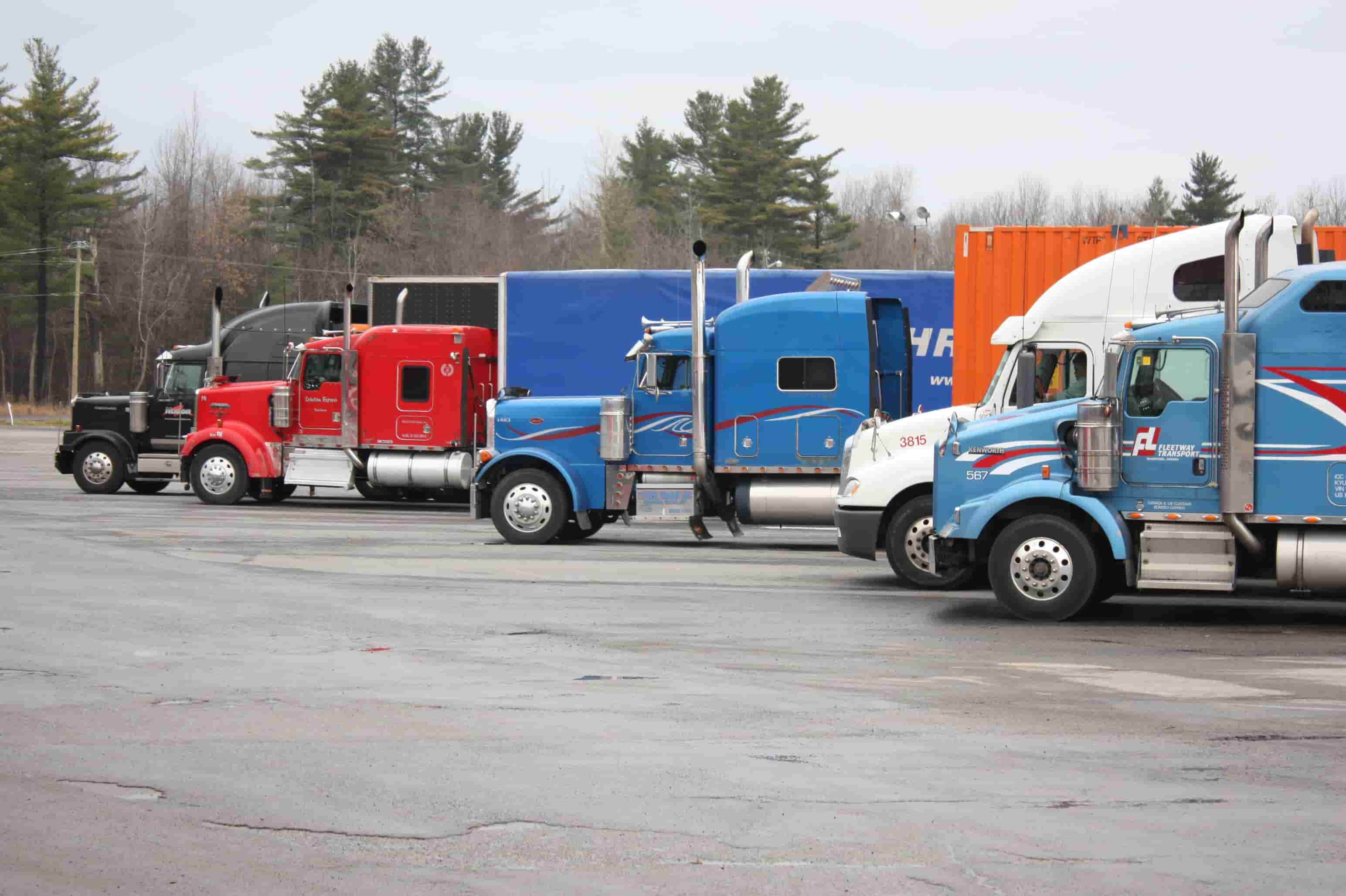
Best Trucking Insurance in Harrisburg PA (2026) | Dragon
11 min read

Business
Commercial Truck Insurance Cost: What Drives It
12 min read
Business
Commercial Trucking Insurance in Pennsylvania | Dragon
18 min read
Business
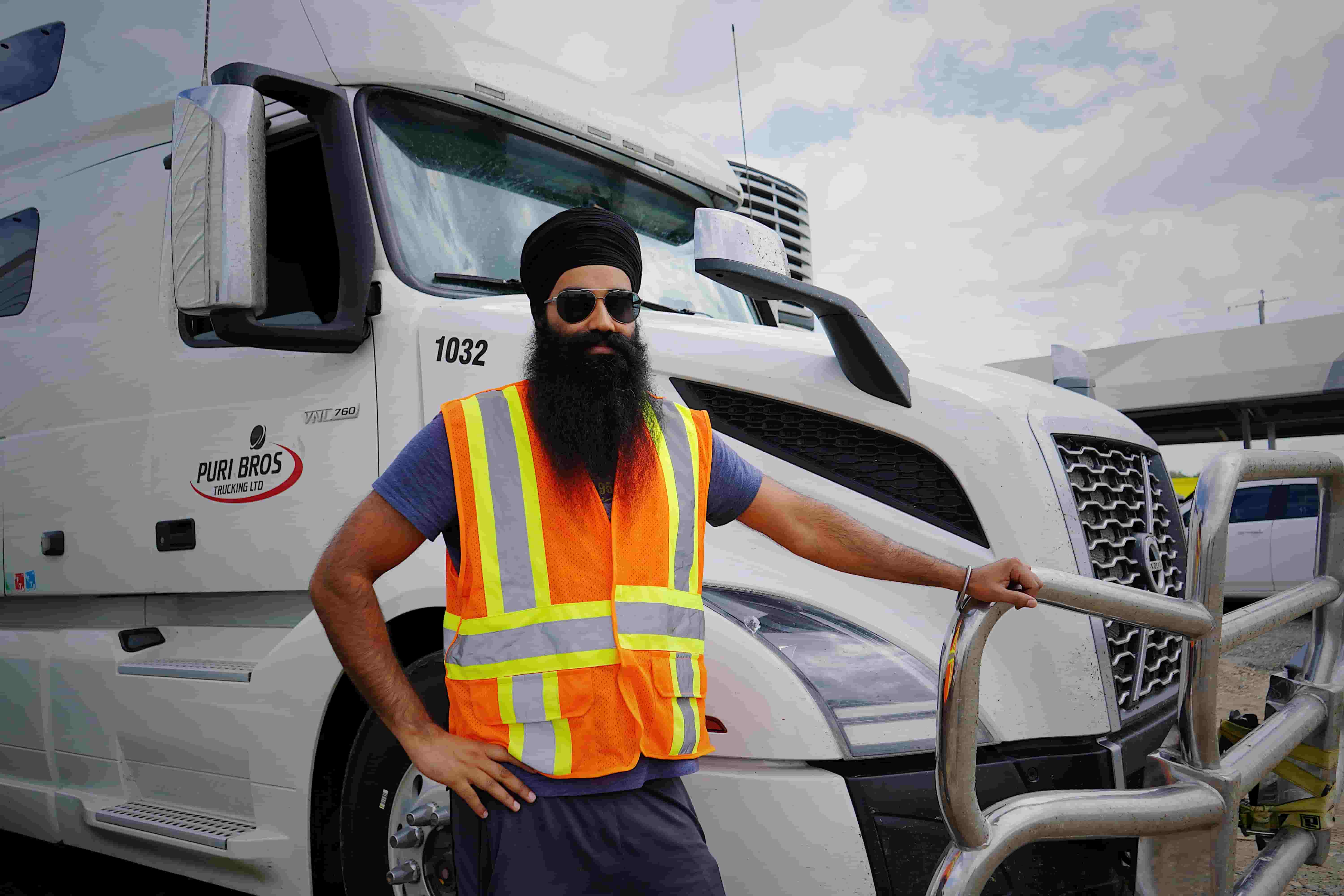
Owner-Operator Truck Insurance: Cost & Coverage 2026
11 min read
Business
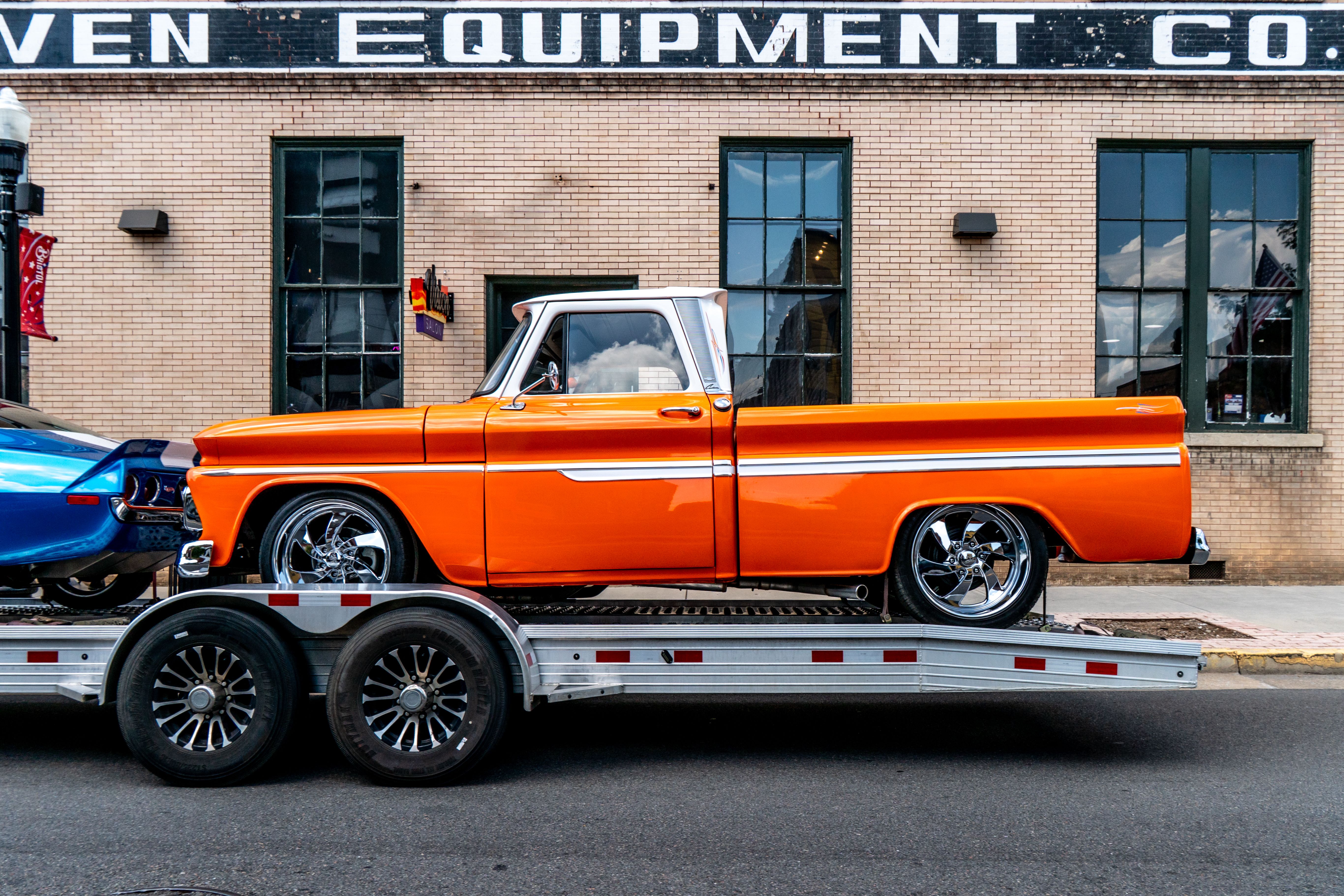
Hot Shot Trucking Insurance: Pickup & Gooseneck Coverage
11 min read
Business
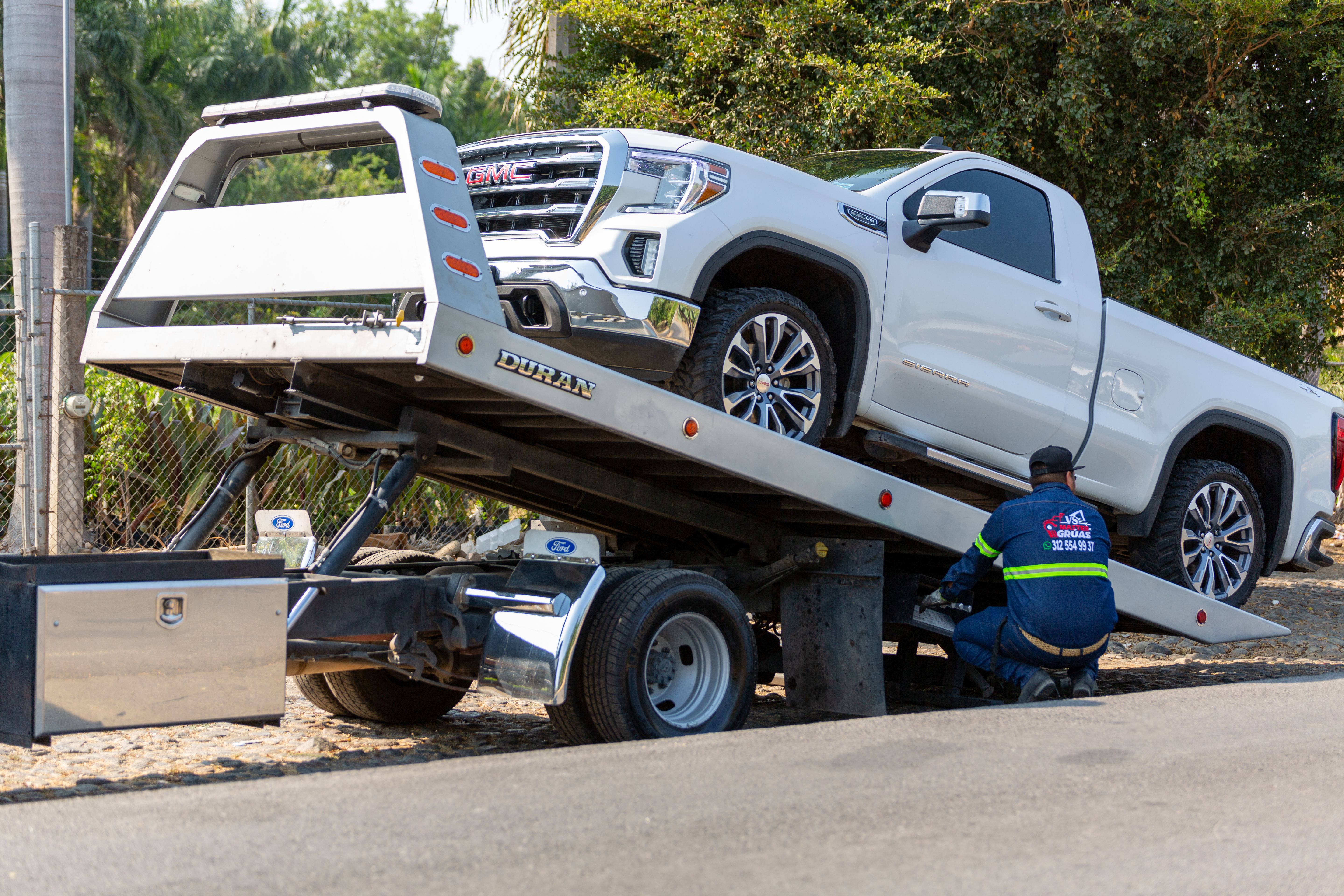
Tow Truck Insurance: On-Hook vs Garagekeepers
10 min read
Business
Box Truck Insurance Cost 2026: Pricing Guide
10 min read
Business
Short-Term Trucking Insurance: What's Real in 2026
10 min read

Business
Progressive Commercial Truck Insurance Review 2026 | Dragon
15 min read