
Loading
Preparing your coverage insights...
Our Locations
Loading
Preparing your coverage insights...
Hot shot trucking insurance for pickup-and-gooseneck operators under 26,001 lbs combined GVWR: why the sub-26,001 threshold does not exempt you from FMCSA insurance rules, MC authority requirements from day one, minimum liability and cargo requirements, cost by truck type, and how Dragon helps new hot shot operators get properly covered.
Get a business insurance quote. One call compares the carriers we write side by side.
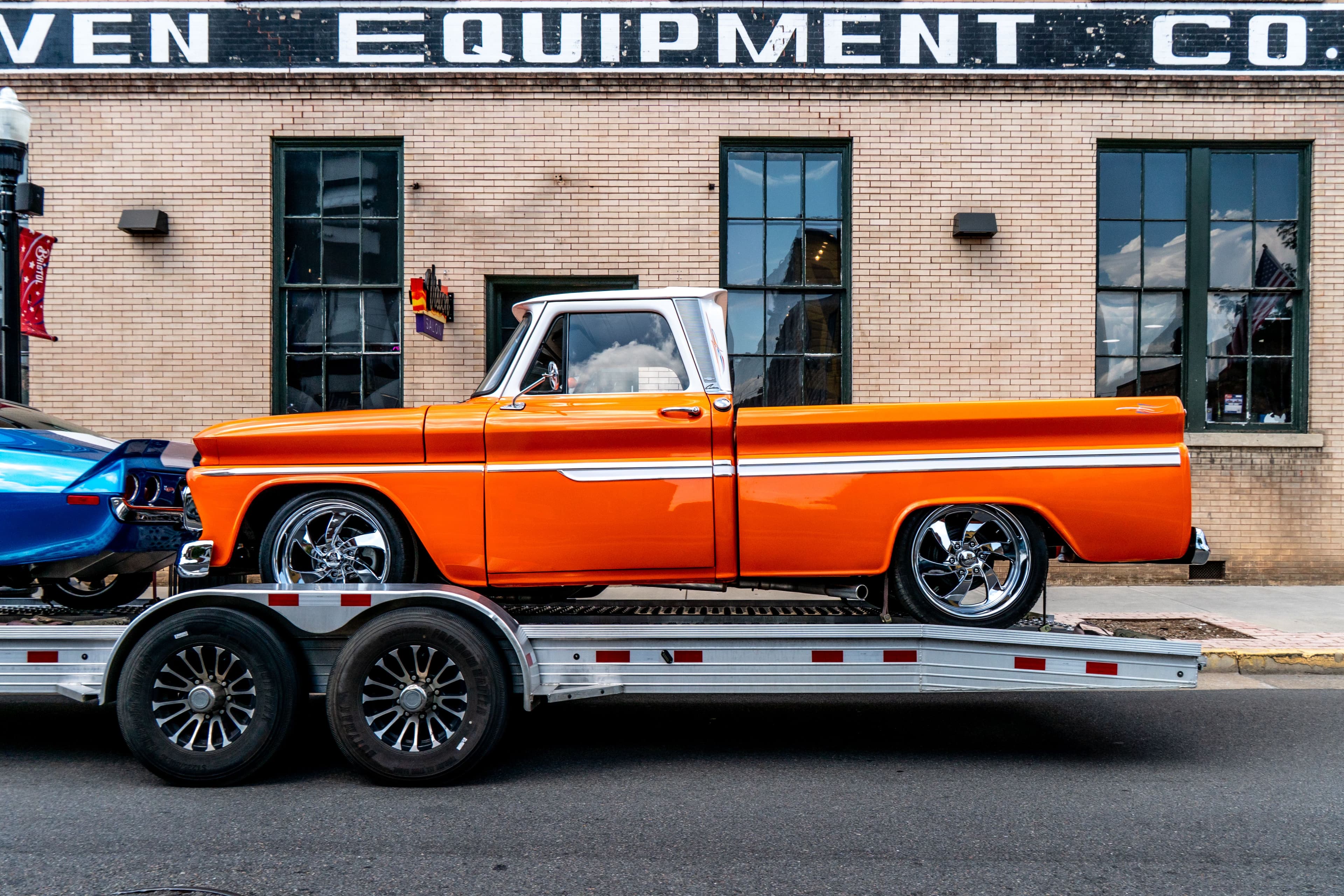
Hot shot trucking is its own category, not a smaller version of a fleet: a pickup or medium-duty truck pulling a gooseneck or fifth-wheel trailer, hauling expedited flatbed freight under 26,001 lbs combined GVWR. That sub-26,001 lb number is exactly why hot shot operators get this wrong. It looks like a personal truck setup, and being under the CDL threshold feels like it should mean lighter insurance rules. It does not. The moment you haul freight for hire across state lines, you need MC operating authority from your first load, and FMCSA commercial insurance requirements apply at the same level as a full Class 8 tractor-trailer. Getting a standard commercial auto policy instead of a true commercial trucking policy leaves you unprotected and can invalidate your operating authority.
Dragon Insurance is appointed with Progressive, GEICO, and Trinity Underwriters for commercial trucking coverage, and we also have access to additional specialty and excess and surplus (E&S) markets through master brokerage relationships for harder-to-place risk. We help hot shot operators in PA, TX, VA, MD, OH, TN, and KY get the right combination of primary liability, cargo, physical damage, and NTL/bobtail into a single package that satisfies FMCSA requirements and gets approved by major freight brokers.
Key Takeaways
Quick Answer
What is hot shot trucking insurance?
Hot shot trucking insurance is commercial insurance for expedited flatbed owner-operators who haul time-sensitive freight in pickup trucks or medium-duty trucks with gooseneck or fifth-wheel trailers. Because these operators haul for hire across state lines, they are subject to the same FMCSA insurance requirements as larger commercial carriers. A standard commercial auto policy is not sufficient: a commercial trucking policy with the correct primary liability, cargo, and physical damage coverages is required.
Yes, in almost all hot shot scenarios. Here is the specific threshold: any vehicle with a GVWR (gross vehicle weight rating) or combined GVWR over 10,001 lbs that operates for hire in interstate commerce requires a USDOT number and FMCSA operating authority (MC number).
A loaded gooseneck trailer setup with a 1-ton pickup easily exceeds 10,001 lbs combined GVWR. Even if your pickup itself is rated under 10,001 lbs, adding a trailer with freight usually pushes the combination over the threshold. Dragon helps hot shot operators confirm their weight threshold and determine exactly what authority they need before they haul their first load.
A complete hot shot insurance package has several components. The table below identifies each coverage, what it protects, whether it is required or optional, and its approximate contribution to your monthly premium.
| Coverage Type | What It Covers | Required or Optional | Typical Monthly Cost |
|---|---|---|---|
| Primary liability | Bodily injury and property damage you cause to others in an accident while hauling | Required (FMCSA) | $150 to $400+ |
| Cargo insurance | Damage or loss of the freight you are hauling (fire, theft, accident) | Required (most brokers) | $80 to $200 |
| Physical damage (comp + collision) | Damage to your truck and trailer from accidents, theft, fire, weather | Recommended (required if financed) | $80 to $250 |
| Non-trucking liability (NTL) or bobtail | Liability for personal use of the truck off dispatch | Recommended | $30 to $80 |
| Occupational accident | Medical and disability benefits for the owner-operator (no workers' comp for sole proprietors) | Optional but recommended | $50 to $150 |
Figures above are general industry estimates based on 2026 Progressive Commercial and industry data. Not Dragon Insurance quotes. Call 717-229-5115 for your actual rate.
A complete hot shot insurance package (primary liability + cargo + physical damage) typically runs $300 to $900 or more per month. The wide range reflects the many variables that affect commercial trucking premiums.
| Variable | Effect on Premium |
|---|---|
| Truck age and value | Newer, higher-value trucks cost more to insure for physical damage; older paid-off trucks can skip physical damage |
| Cargo type | High-value or high-risk cargo (machinery, oilfield equipment) raises cargo premium; general freight is less expensive |
| Driving record (MVR) | Clean commercial driving history is the single biggest factor keeping premiums at the lower end of the range |
| Years in commercial trucking | Operators with 2+ years of verifiable CDL experience pay significantly less than brand-new authorities |
| State of domicile | TX and MD tend to produce higher premiums; PA and OH are generally lower |
| Coverage limits selected | Increasing primary liability from $750k to $1M adds modest cost but significantly expands broker access |
Hot shot trucking shares the same regulatory framework as standard commercial trucking but differs in ways that affect how carriers underwrite the risk.
Smaller trucks, higher liability exposure
A 1-ton pickup pulling a gooseneck does not have the braking distance or stability of a Class 8 truck. Carriers factor this into the primary liability premium. Hot shot setups are statistically involved in more rear-end and rollover incidents per mile than larger rigs.
Faster turnaround, higher cargo risk
Time-sensitive loads often mean more hours behind the wheel and tighter delivery windows. Cargo handled quickly at distribution centers also sees more loading and transit damage. Both factors push cargo premiums slightly higher.
Newer and unestablished operations
Many hot shot operators are new to commercial trucking. Carriers apply a new-authority surcharge to operators with fewer than two years of commercial driving history. Premiums typically drop significantly after the two-year mark.
Different cargo mix than standard freight
Hot shot commonly hauls oilfield equipment, construction materials, and agricultural machinery. Some cargo categories (heavy equipment, oversized loads) require endorsements and specific cargo forms that differ from standard dry-van policies.
Get your hot shot package quoted today
Dragon is appointed with Progressive, GEICO, and Trinity Underwriters for your hot shot risk, plus E&S market access for harder placements.
Primary liability, cargo, physical damage, and NTL bundled into one package. BMC-91 filing included at binding.
For new owner-operators entering hot shot trucking
Hot shot trucking has become a popular entry point into owner-operator trucking across Pennsylvania, Texas, and other Dragon states. The lower startup cost compared to a full Class 8 operation makes it accessible, but the regulatory requirements (DOT number, MC authority, FMCSA insurance minimums, BMC-91 filing) are just as complex as larger trucking operations. If you are weighing hot shot against a heavier rig, our owner-operator truck insurance guide compares the coverage stack and cost of each, and our box truck insurance cost guide covers the straight-truck alternative.
Dragon Insurance walks new hot shot operators through the full setup process: which authority to apply for, what coverage limits are needed to access major brokers, and how to structure your package correctly from day one. We know new operators don't have time for runaround, so we get straight to the coverage limits and the price. Call once and get a direct answer.
What is hot shot trucking insurance?
Commercial insurance specifically designed for expedited flatbed operators using pickup trucks or medium-duty trucks with gooseneck or fifth-wheel trailers to haul time-sensitive freight. It includes primary liability (required by FMCSA), cargo (required by brokers), and physical damage for the truck and trailer.
Do I need a DOT number for hot shot trucking?
Yes, in almost all cases. Any vehicle with a combined GVWR over 10,001 lbs operating for hire in interstate commerce requires a USDOT number and FMCSA MC authority. Most gooseneck hot shot setups exceed 10,001 lbs combined when loaded. Even if your truck alone is under the threshold, the combined weight of truck, trailer, and freight likely pushes you over.
How much does hot shot trucking insurance cost?
A complete package (primary liability + cargo + physical damage) typically runs $300 to $900 or more per month. New operators with less than two years of CDL experience pay more. Operators with a clean MVR, 2+ years of commercial driving experience, and a paid-off truck can reach the lower end of this range.
What coverage do I need for hot shot trucking?
At minimum: primary liability ($750,000 FMCSA minimum, but $1M recommended for broker access) and cargo insurance ($100,000 for most broker requirements). Physical damage is required if your truck or trailer is financed. NTL or bobtail covers personal use of the truck off dispatch. Occupational accident is worth adding if you have no other disability or workers' comp coverage.
Is cargo insurance required for hot shot trucking?
It is not required by FMCSA for most cargo types, but it is required by the vast majority of freight brokers. Without cargo insurance you will not pass carrier qualification with most load boards. The standard broker minimum is $100,000 cargo coverage. Some shippers require more depending on the shipment value.
What is the FMCSA minimum for hot shot trucking?
For general freight hauled for hire in interstate commerce in vehicles over 10,001 lbs GVWR, the FMCSA minimum is $750,000 primary liability. Most hot shot setups fall into this category. However, most brokers require $1,000,000. Dragon recommends starting at $1M to ensure broker access from day one.
Can I use my personal pickup truck for hot shot trucking?
Legally operating the vehicle for hot shot hauling requires commercial registration and commercial insurance. A personal auto policy will deny any claim arising from a for-hire commercial operation. You will need the truck registered commercially in addition to carrying the appropriate commercial trucking insurance package.
How do I get hot shot insurance with no experience?
New-authority hot shot operators pay higher premiums than experienced carriers, but coverage is available. Dragon is appointed with Progressive, GEICO, and Trinity Underwriters, and when a newer operation doesn't fit those programs we have access to additional specialty and excess and surplus (E&S) markets through master brokerage relationships built for harder-to-place, new-authority risk. Having a clean personal driving record, a well-maintained truck, and CDL experience (even if not hot-shot specific) helps keep the premium manageable. Call 717-229-5115 to discuss your specific situation.
What insurance do owner operators need?
Owner operators, independent truckers who own and drive their own truck, need a different insurance package than company drivers. A company driver is covered under the carrier's fleet policy while on dispatch; an owner operator is not. Owner operators need: primary commercial auto liability (minimum $750,000 for general freight interstate; $1,000,000 recommended for broker access); motor truck cargo insurance ($100,000 is the standard broker minimum); physical damage on the truck and trailer; and non-trucking liability (NTL) for personal use of the truck between dispatched loads. If you lease to a carrier, the carrier may provide primary liability while on dispatch but you still need NTL and physical damage. Hot shot owner operators follow the same requirements for all loads under 26,001 lbs combined GVWR. Dragon Insurance builds owner operator packages through its appointments with Progressive, GEICO, and Trinity Underwriters, plus additional E&S market access through master brokerage relationships for risk those carriers won't take.
Hot shot trucking insurance is not a one-size-fits-all product. Your coverage package needs to match your truck, your cargo types, your state of domicile, and your operating authority. Dragon Insurance is appointed with Progressive, GEICO, and Trinity Underwriters for commercial trucking coverage, with additional specialty and excess and surplus (E&S) market access through master brokerage relationships for harder-to-place risk. We build a package that satisfies FMCSA requirements, meets broker standards, and protects your truck and your income. If your operation runs heavier equipment or a full fleet alongside hot shot loads, see our commercial trucking insurance page for the full coverage program.
Visit us: 1525 Cedar Cliff Dr STE 202, Camp Hill, PA 17011
Serving PA, TX, VA, MD, OH, TN, and KY. English, Nepali, and Hindi spoken.
Top Trucking Insurance Companies of 2026
FMCSA requirements, cost, and red flags to watch for owner-operators.
Read more
What Is Non-Trucking Liability Insurance?
The coverage gap between dispatched hauls that every owner-operator needs to fill.
Read more
Commercial Trucking Insurance Requirements by State
FMCSA minimums, state rules, and broker requirements explained in one guide.
Read more
Dragon Insurance Services LLC is a licensed independent insurance agency. Cost figures reflect 2026 third-party rate data and agency quoting experience across PA, TX, VA, MD, OH, TN, and KY; they are estimates, not guaranteed rates. FMCSA requirements are based on 49 CFR Part 387 as of 2026 and are subject to change. Actual premiums vary by carrier, risk profile, location, and coverage selections, and are subject to underwriting approval. Contact us for a personalized quote.
Explore Related Coverage
Ready to compare carriers and get a quote?
Dragon Insurance is an independent agency in Camp Hill, PA. We shop 30+ carriers to find your best rate.
Prefer to talk it through?
Get a real quote from a licensed advisor. English, Nepali, and Hindi spoken.
About the Author
Bimal GurungCEO, Agency Principal & Licensed Insurance Agent
Bimal Gurung is CEO and Agency Principal of Dragon Insurance Services, an independent agency in Camp Hill, PA that compares 30+ carriers for clients across Pennsylvania, Texas, Virginia, Maryland, Ohio, Tennessee, and Kentucky.
Meet the Dragon Insurance teamContinue Reading
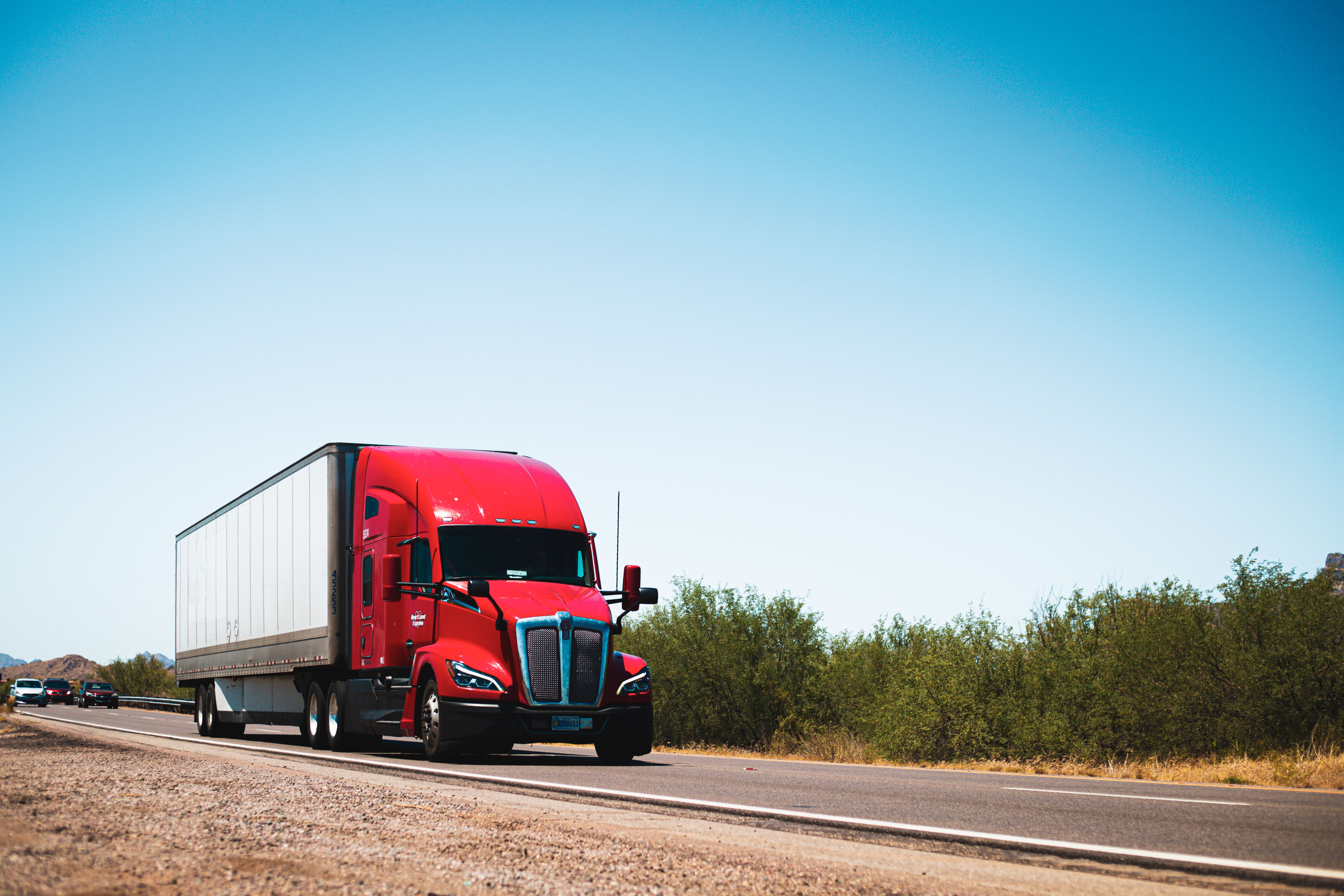
Business
Commercial Trucking Insurance in Pennsylvania | Dragon
18 min read
Business
Box Truck Insurance Cost 2026: Pricing Guide
10 min read
Business
Commercial Truck Insurance Cost: What Drives It
12 min read
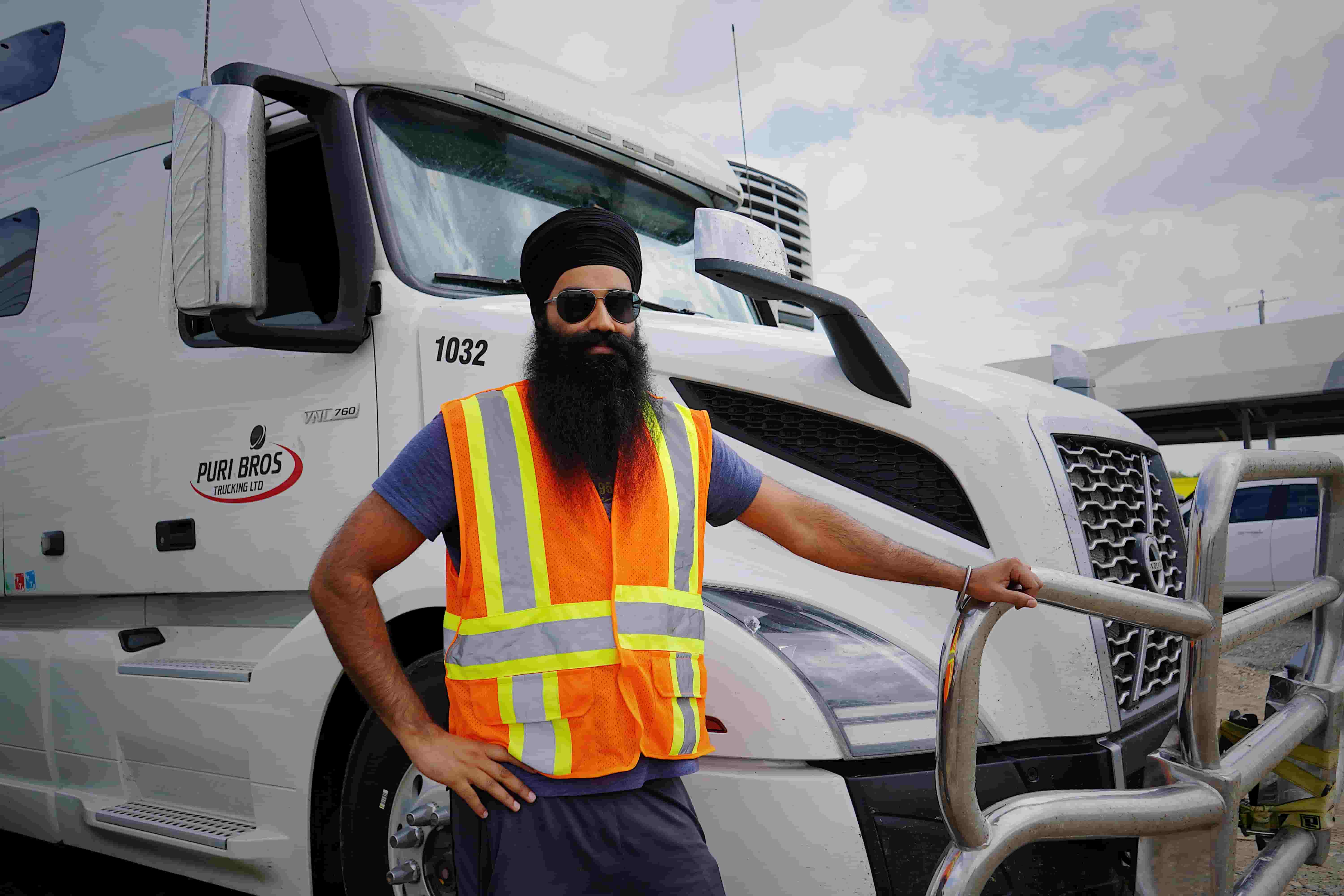
Business
Owner-Operator Truck Insurance: Cost & Coverage 2026
11 min read
Business
What Is Non-Trucking Liability Insurance? Owner-Op Guide
10 min read
Business
Top Trucking Insurance Companies for Owner-Operators
15 min read
Business
Progressive Commercial Truck Insurance Review 2026 | Dragon
15 min read