Loading
Preparing your coverage insights...
Our Locations
Loading
Preparing your coverage insights...
A 2026 guide to boat insurance in Virginia: why state law does not require it but marinas, lenders and storage yards usually do, the DWR boating safety education and registration rules every owner must follow, the coverages that fit Virginia waters from the Chesapeake Bay to Smith Mountain Lake, and how to get a quote.
Get a Virginia boat insurance quote. One call compares the carriers we write side by side.
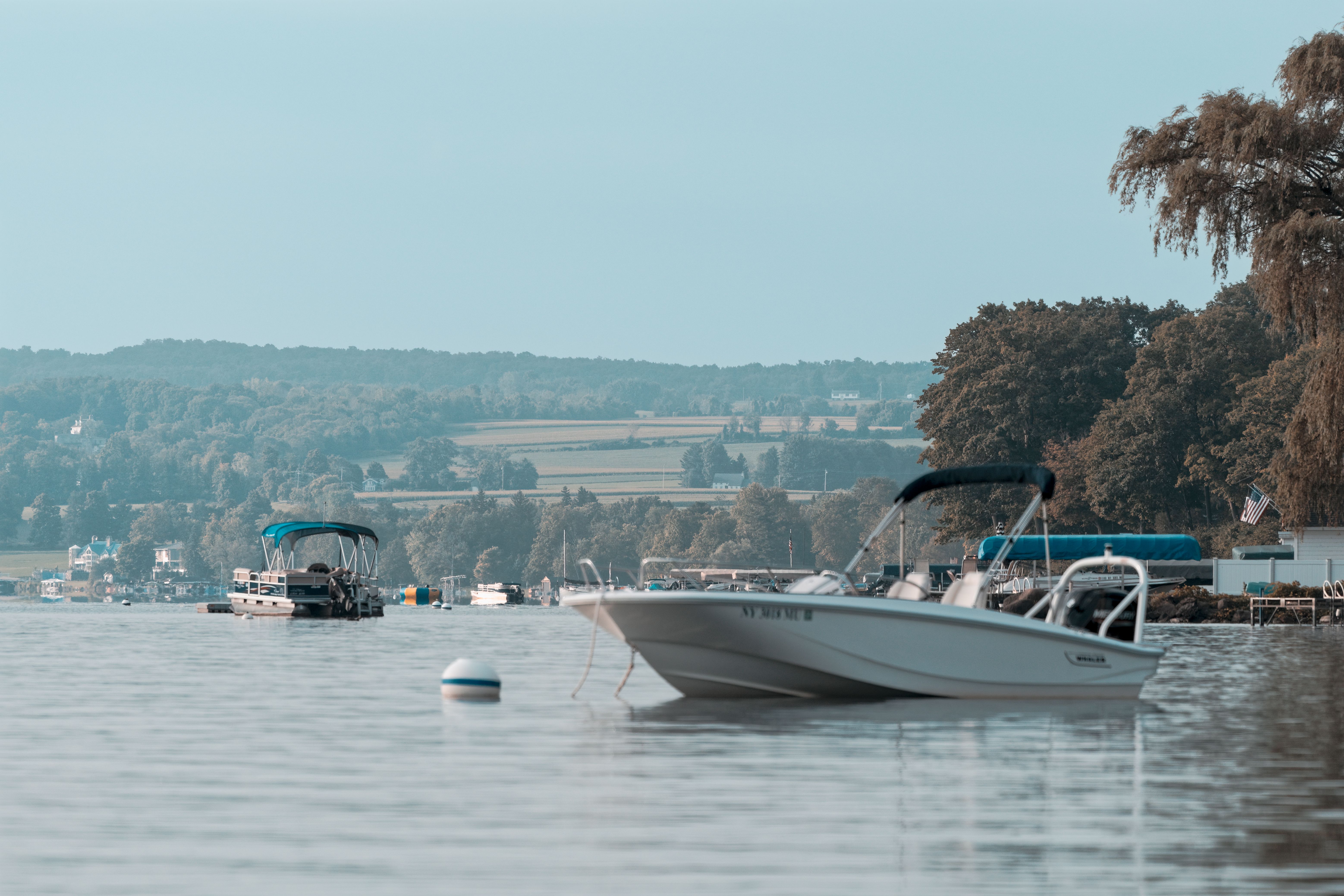
Virginia gives boaters a lot of water to choose from: the Chesapeake Bay and the Hampton Roads harbors, big reservoirs like Smith Mountain Lake, Lake Anna, and Kerr Lake, and the Potomac River along the Northern Virginia shoreline. Before your first launch of the season, two questions come up fast. Does Virginia make you carry boat insurance, and what else does the state expect from you as an owner and operator?
Dragon Insurance is an independent agency licensed in Virginia. This guide covers what Virginia law actually says about boat insurance, the education and registration rules the Department of Wildlife Resources (DWR) enforces, the coverages worth pricing for Virginia waters, and what we need from you to quote your boat across the boat carriers we write.
Quick Answer
Do you need boat insurance in Virginia? No Virginia law requires boat insurance, but marinas, boat lenders, and storage facilities commonly require liability or hull coverage, and every operator of a motorboat with a 10 horsepower or larger engine must carry a boating safety education certificate. Dragon quotes Virginia boat insurance across the boat carriers we write. Call 717-229-5115 to compare.
Key Takeaways
Not by state law, but the people who hold your slip, your loan, or your winter storage space usually make it a condition of doing business with you. That is why most Virginia owners end up insured even though no statute forces it.
If you own your boat outright and keep it in your driveway, the choice is yours. Just know that without a policy, an accident that injures a guest or damages someone else's boat is a bill you pay personally. For how Virginia compares with the other states we cover, our guide to whether you need boat insurance breaks requirements down state by state.
Virginia Boat Quote
Bring your slip contract or loan terms. We quote to match them.
One conversation, quotes from the boat carriers we write, and coverage built to clear your marina or lender on the first try.
Insurance is optional under state law, but two DWR rules are not: who may drive the boat, and how the boat is registered and titled. Both also come up when we quote, because carriers ask about operators and ownership.
Virginia requires a boating safety education certificate for every operator of a motorboat with a 10 horsepower or larger engine, regardless of age. There is no grandfather clause, so a lifelong boater needs the certificate just like a first-timer.
Every motorboat used on public waters in Virginia must be registered and titled with DWR. A few situations work differently, and they are worth knowing before you buy or sell.
DWR sets registration and titling fees, and those fees change from time to time, so check the DWR site for the current schedule. Keep in mind that registration proves ownership to the state. It does nothing to pay for a damaged hull or an injured passenger. That is the job of the policy.
A boat policy is built from a handful of coverages, and you choose which ones and how much of each. Here is what each piece does in plain terms, so you can decide what belongs on your quote. Exact terms vary by carrier and policy, and we show you the differences side by side.
Pays for injuries and property damage you cause to other people while operating your boat, including your own guests. That covers hitting another boat or a dock, a passenger hurt when you cross a wave, and damage your wake causes to a moored boat or a shoreline pier. It is the coverage a marina is asking for, and on a crowded Saturday it is the one most owners lean on.
Pays to repair or replace your own boat after a covered loss such as a collision, fire, theft, sinking, or storm. How a total loss is paid depends on how the hull is valued. Agreed valuemeans you and the carrier settle on the boat's value when the policy is written, and that is the amount paid on a covered total loss, minus your deductible. Actual cash value pays what the boat was worth at the moment of the loss, after depreciation, which is usually less than you paid. We quote both so you can see what the stronger settlement option adds.
Because Virginia does not require boat insurance, the boater who hits you may have no policy at all. Uninsured boater coverage pays for injuries to you and your passengers when the at-fault operator cannot.
Covers medical bills for you and the people on board after an accident, regardless of who caused it. It settles small injury claims quickly, before anyone has to argue about fault.
Helps when the engine quits, the battery dies, you run out of fuel, or you run aground and need a tow back to the ramp or marina. On big water and long lakes, this is the coverage that ends a bad day early.
Covers your responsibility for cleanup and related claims if fuel or oil escapes from your boat into the water. It matters wherever you boat, and especially in a slip surrounded by other people's property.
Covers the gear that rides along: fishing rods and tackle, electronics, water toys, and safety equipment. Limits differ widely between policies, so tell us what you keep on board and we price a limit that fits.
Covers physical damage to the trailer you use to haul the boat to the ramp. Some policies include it and others add it as an option, so we confirm it is on your quote if you trailer to Smith Mountain Lake or the Bay.
Agreed Value or Actual Cash Value
See both hull settlement options priced on your boat before you choose.
We quote liability, hull, uninsured boater, towing, and trailer coverage together, so you can add or drop each piece and watch the price change.
Policies list where the boat may be used, often called the navigation area, and carriers look at saltwater and inland lakes differently. Tell us where you actually go, and we build the quote around it.
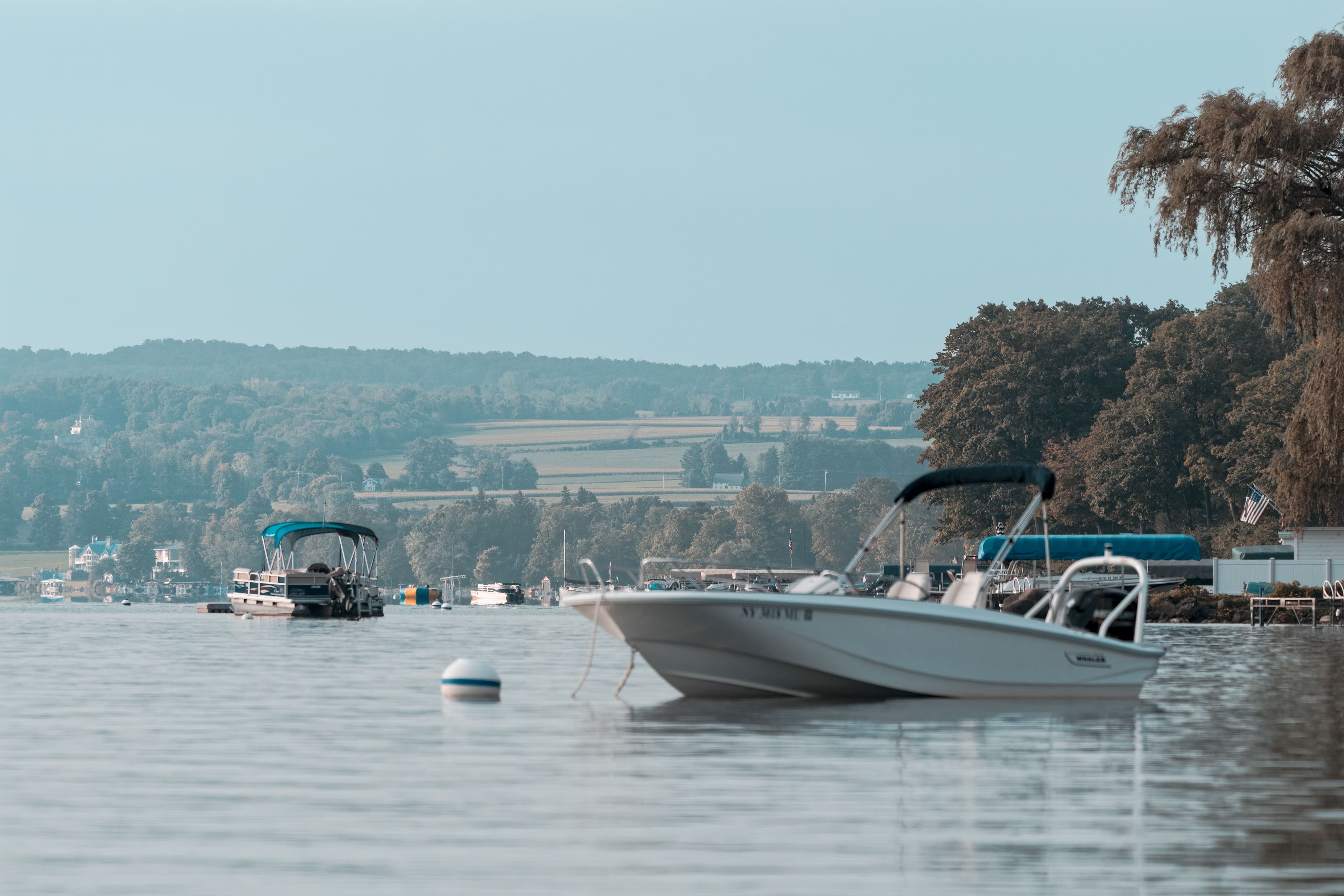
A few details about the boat, the water, and the people driving it are all we need to compare the boat carriers we write. Gather these before you call and the quote moves fast.
About the Boat
About Use and Operators
Want to know which carriers tend to fit which boats? Our best boat insurance companies of 2026 comparison covers that. For coverage options across every boat type we write, start on our boat insurance page, and for the rest of your Virginia coverage, see our Virginia insurance page.
Is boat insurance required in Virginia?
No. Virginia has no state law requiring boat insurance. Marinas, boat lenders, and some storage facilities commonly require liability or hull coverage, though, so most owners who keep a boat in a slip or finance it need a policy anyway. Dragon quotes coverage built to meet those requirements.
Do I need a boating license in Virginia?
Virginia requires a boating safety education certificate, which many people call a boating license. Every operator of a motorboat with a 10 horsepower or larger engine needs one, at any age, with no grandfather clause. No one under 14 may operate a personal watercraft, and PWC operators 14 and older need the course. The certificate is valid for life.
Does my homeowners policy cover my boat in Virginia?
Usually only in a limited way. Homeowners policies often cover small boats with low limits, if at all, and frequently leave out liability on the water, so check the watercraft section of your policy. A dedicated boat policy covers the hull, liability, and on-water risks directly, and we can quote one next to your home policy to show what a bundle would cost.
Do I need insurance to keep my boat at a Virginia marina?
In most cases, yes. State law does not require it, but marinas commonly make proof of liability coverage a condition of the slip agreement, and some ask to be named on the policy. Bring your slip contract when we quote and we match its liability requirement.
Does Virginia require boat registration?
Yes, for motorboats used on public waters. They must be registered and titled with the Virginia Department of Wildlife Resources, and the Certificate of Number is valid for three years. Sailboats 18 feet and longer without a motor need a title only, and boats used only on private waters need neither. Check DWR for current fees.
Do I need insurance for a jet ski in Virginia?
Virginia does not require insurance on a personal watercraft, but marinas and lenders may, and PWC liability is worth pricing because riders often carry passengers and run close to other boats. Operators must be at least 14 and hold a boating safety education certificate. We quote PWCs alongside boats.
Can I get Virginia boat insurance through Dragon?
Yes. Dragon Insurance is an independent agency licensed in Virginia. We quote your boat across the boat carriers we write, compare price and coverage side by side, and can bundle the policy with your auto or home. Call 717-229-5115 or request a free quote online to get started.
Whether you run a center console out of Hampton Roads, keep a pontoon at Smith Mountain Lake, or trailer a bass boat to Kerr Lake, Dragon quotes your boat across the carriers we write and shows you the options together. One call. No pressure.
Call for a quote on the spot. Online requests answered within 1 hour on business days.
Visit us: 1525 Cedar Cliff Dr STE 202, Camp Hill, PA 17011
Dragon Insurance Services LLC is a licensed independent insurance agency. This guide summarizes Virginia boating rules as published by the Virginia Department of Wildlife Resources as of October 2026 and is not legal advice. Coverage descriptions are general and vary by carrier and policy. All coverage is subject to policy terms and underwriting approval. Contact us for a personalized quote.
Explore Related Coverage
Ready to compare carriers and get a quote?
Dragon Insurance is an independent agency in Camp Hill, PA. We shop 30+ carriers to find your best rate.
Prefer to talk it through?
Get a real quote from a licensed advisor. English, Nepali, and Hindi spoken.
About the Author
Bimal GurungCEO, Agency Principal & Licensed Insurance Agent
Bimal Gurung is CEO and Agency Principal of Dragon Insurance Services, an independent agency in Camp Hill, PA that compares 30+ carriers for clients across Pennsylvania, Texas, Virginia, Maryland, Ohio, Tennessee, and Kentucky.
Meet the Dragon Insurance teamContinue Reading