
Does Homeowners Insurance Cover Tree Damage? What Pennsylvania Homeowners Get Paid
Whether homeowners insurance covers tree damage in Pennsylvania: a tree falling on your house, a neighbor's tree, tree removal limits, a tree on your car, dead and rotting trees, your deductible, and what to do before you call a tree service.
Tree over the roof? Check your home coverage. One call compares four home carriers on the same limits at two deductibles.
Quick Answer
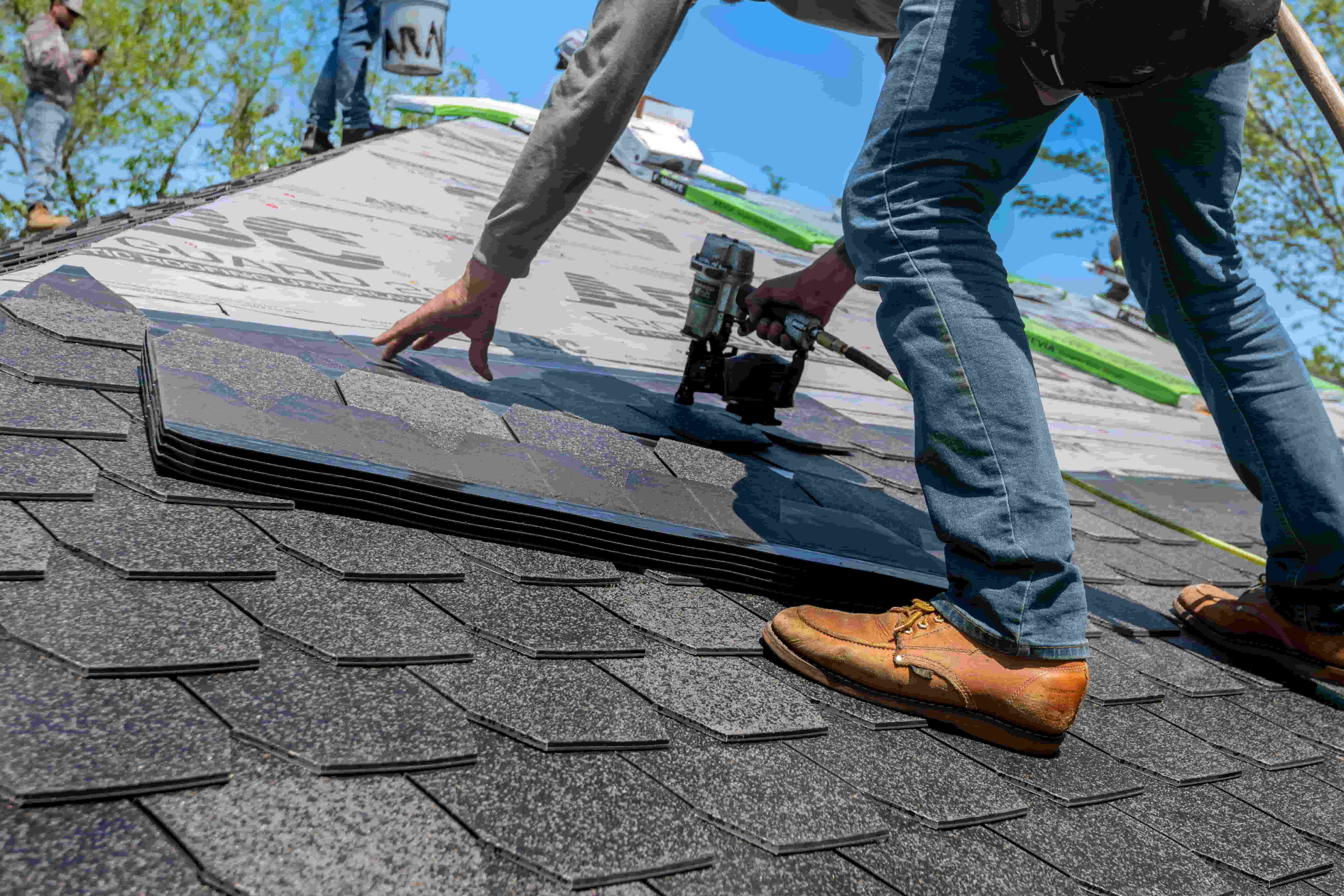
Winter is when Pennsylvania trees come down: ice, heavy snow and wind all load the limbs over your roof.
Here is what your homeowners policy pays, who pays when it is the neighbor's tree, and what to do before you call a tree service.
Key Takeaways
- 1.A tree on your house is covered. Wind, lightning, hail and the weight of ice or snow are typically covered perils.
- 2.Removal has a cap. Generally about $500 to $1,000, and only when the tree hit an insured structure.
- 3.You claim on your own policy, even for the neighbor's tree. Your insurer can recover from the neighbor if they were negligent.
- 4.Dead trees are your problem. Rot and poor maintenance are not covered, so take down a failing tree before it falls.
Does Homeowners Insurance Cover a Tree Falling on Your House?
Yes, when a covered peril brings the tree down. Triple-I says a standard homeowners policy covers damage to your home or another insured structure, such as a detached garage, plus damage to the contents, for trees felled by wind, lightning or hail. The Pennsylvania Insurance Department says homeowners policies should also cover damage from fallen trees or tree limbs after winter storms.
| What happened | Who usually pays | Watch for |
|---|---|---|
| A tree falls on your house or detached garage | Your homeowners policy (dwelling or other structures) | Minus your deductible. Removal is usually covered too, up to a limit. |
| Your neighbor's healthy tree falls on your house | Your homeowners policy | Your insurer may recover from the neighbor's insurer if the neighbor was negligent. |
| Your tree falls on your neighbor's house | Usually your neighbor's homeowners policy | Your liability coverage can be pulled in if the tree was dead or rotting and you ignored it. |
| A tree falls in your yard and hits nothing | Usually nothing | Some insurers pay removal if it blocks a driveway or a ramp for a disabled person. |
| A tree falls on your car | Your auto policy's comprehensive coverage | Not your homeowners policy. Liability-only auto pays nothing. |
| A dead or rotting tree falls | Often nothing for removal; damage can be disputed | Rot and poor maintenance are not covered perils. |
Based on a standard homeowners policy. Your own policy wording decides; we read it with you before you file. Our homeowners insurance guide explains each part of the policy.
Big trees over the roof?
We check your dwelling limit and deductible before the next storm.
One call compares Liberty Mutual, Openly, Plymouth Rock and Westfield on the same limits.
Who Pays When a Neighbor's Tree Falls on Your House?
You file with your own homeowners insurance. Triple-I puts it plainly: you are insured no matter who owns the tree. If the neighbor was at fault, your insurer may collect from the neighbor's insurer, a process called subrogation, and you may get your deductible back.
- Healthy tree, storm damage. Nobody was negligent, so your policy pays and you pay your deductible.
- Dead or rotting tree the neighbor ignored. Your insurer pays you, then can go after the neighbor's liability coverage. Photos of the tree before it fell help.
- Your tree lands on the neighbor. Their policy usually pays, but if your tree was clearly dead, they can try to prove you were negligent, per Progressive. That is a liability claim on your home policy.
A large liability claim can pass your home policy's limit. An umbrella insurance quote adds limits above it for a few hundred dollars a year.
Does Homeowners Insurance Pay for Tree Removal?
Yes, if the tree hit an insured structure, generally up to about $500 to $1,000. That limit depends on the insurer and the policy, according to Triple-I. If the tree hit nothing, there is generally no coverage for debris removal.
- Blocking the driveway? Some insurers pay removal when a fallen tree blocks a driveway or a ramp for a disabled person, even if it hit nothing.
- Call before the tree service. The Pennsylvania Insurance Department tells homeowners to check with their insurer before removing fallen trees to see if the cost is covered.
- Trees and shrubs themselves. Triple-I says coverage for your landscaping is generally limited to 5% of the dwelling limit, with a cap per tree, and it covers fire, lightning and vandalism, not wind.
What If a Tree Falls on Your Car?
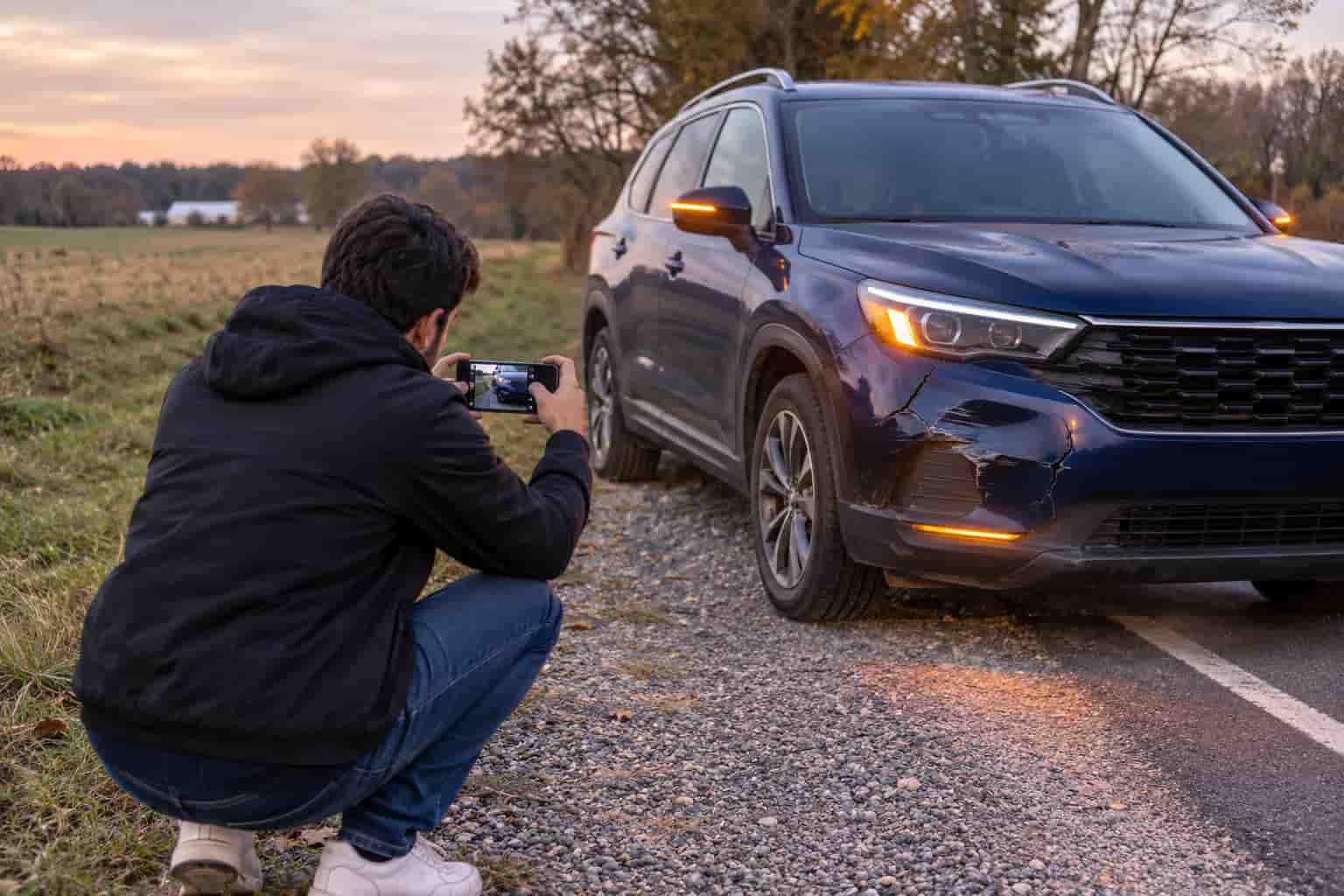
Your auto policy pays, not your homeowners policy. Progressive says comprehensive coverage pays when a tree falls on your car, along with hail and vandalism. A liability-only auto policy pays nothing toward your own car.
Comprehensive is the same coverage that pays when you hit a deer. Our guide to what car insurance covers after a deer hit explains comprehensive deductibles for Pennsylvania drivers.
Dead or Rotting Trees: When Insurance Says No
Homeowners insurance does not pay to remove a rotting or decaying tree. Progressive lists rot and decay as not covered, and Triple-I says poor maintenance is not covered. If a neglected tree falls, the damage and the removal can end up on you.
- Look up every fall. Dead limbs, fungus at the base, cracks in the trunk and a lean that is getting worse are warning signs.
- Take it down before it falls. Removing a hazard tree is usually cheaper than a new roof, and insurance will not pay for it later.
- Tell the neighbor in writing. If their dead tree hangs over your house, a dated note helps your insurer recover later.
Your Deductible and a Tree Claim
You pay your deductible first, then the policy pays the rest up to your limits. A higher deductible typically lowers your premium, but it is money you need on hand the day a limb comes through the roof.
Example only: on an $8,000 roof and gutter repair after a tree strike, you pay $1,000 with a $1,000 deductible or $2,500 with a $2,500 deductible, and the insurer pays the rest.
Our guide to how much homeowners insurance costs shows the average premium in Pennsylvania and the other states we serve.
Deductible more than you could pay tomorrow?
We quote your home at two deductibles so you see the trade in dollars.
Your quote starts on the call; online requests get a reply within 1 hour on business days.
What to Do After a Tree Falls on Your House
Get safe, document, then call your insurer before anyone cuts.
Get everyone out of the damaged rooms. Stay away from downed power lines and call the utility if a line is down.
Take photos and video. The tree, the roof, the inside rooms, and the stump or root ball if you can see it.
Prevent more damage. Tarp the roof or board a window if it is safe. Keep the receipts, since reasonable emergency repairs are usually part of the claim.
Call your insurer before the tree service. Ask what removal is covered and whether they want an adjuster to see the tree first.
Start the claim. Our claims page links to each carrier's claim line. Disputes go to the Pennsylvania Insurance Department's Consumer Services Bureau at 1-877-881-6388.
Live on the West Shore? Our Camp Hill home insurance page covers the flood and water backup gaps that come with the same storms.
What to Have Ready for a Home Insurance Quote
Have these in front of you and we can compare four home carriers on the same call.
About Your Home
- Address and the year the house was built
- Roof age and material
- Square footage and number of stories
- Updates to wiring, plumbing or heating
About Your Policy
- Your current declarations page and renewal date
- Current deductible and dwelling limit
- Any claims in the last five years
- Your mortgage company, if you have one
Have this list in front of you. We start your quote on the call.
Call 717-229-5115Frequently Asked Questions
Does homeowners insurance cover tree damage?
Yes, when a covered peril such as wind, lightning, hail, ice or snow brings a tree down onto your house or another insured structure. A standard policy pays for the structure and the belongings inside, minus your deductible, according to Triple-I. Trees that fall from rot or neglect are usually not covered.
Who pays if my neighbor's tree falls on my house?
You file with your own homeowners insurance. Triple-I says you are insured no matter who owns the tree. If the neighbor was negligent, for example by ignoring a dead tree, your insurer may recover from their insurer, and you may get your deductible back.
Does homeowners insurance pay for tree removal?
If the tree hit an insured structure, removal is generally covered up to about $500 to $1,000, depending on the insurer and policy, per Triple-I. If it hit nothing, there is generally no coverage, though some insurers pay when the tree blocks a driveway or a ramp for a disabled person.
Does homeowners insurance cover a tree falling on my car?
No. A tree on your car is an auto claim. Comprehensive coverage on your car insurance pays for falling trees, along with hail and vandalism, according to Progressive. A liability-only auto policy pays nothing toward your own car.
Will insurance pay to cut down a dead tree before it falls?
No. Homeowners insurance does not pay to remove a dead, rotting or decaying tree, and poor maintenance is not a covered peril. Taking down a hazard tree early is usually cheaper than the roof repair and removal you may pay for if it falls.
Should I call my insurer before calling a tree service?
Yes. The Pennsylvania Insurance Department tells homeowners to check with their insurer before removing fallen trees to see if the cost is covered. Take photos first, prevent further damage if it is safe, and keep receipts for any emergency work.
Does a tree claim raise my homeowners insurance?
It can. Carriers look at claims history when they price or renew a policy, and rules vary by carrier. If the repair is close to your deductible, a claim adds little. If your renewal jumps after a claim, we can compare other carriers on the same limits.
Why Customers Choose Dragon Insurance
One call, several carriers
We quote your home insurance with Liberty Mutual, Openly, Plymouth Rock, and Westfield side by side, so you see the real lowest price instead of a single company's offer.
Fast, honest quoting
Call and we start your quote on the spot. Online requests get a reply from a licensed agent within 1 hour on business days.
Bundle and save
We quote your car, RV, and home together and show you whether a multi-policy discount beats separate policies.
A real local agent when it matters
Licensed agents at our Camp Hill, PA office, licensed in PA, TX, VA, MD, OH, TN, and KY. When you have a claim, we help you contact the carrier and answer adjuster requests. English, Nepali, and Hindi spoken.
Start with home insurance quotes for Pennsylvania homeowners and add your car in the same call.
Check Your Home Coverage Before the Next Storm
Ice and wind season is when trees come down. Give us your address, roof age and current declarations page, and we compare four home carriers on the same limits at two deductibles, so you choose with real prices in front of you.
Visit us: 1525 Cedar Cliff Dr STE 202, Camp Hill, PA 17011
English, Nepali, and Hindi spoken.
Sources
- 1Triple-I, If a tree falls on your house, are you covered?
Covered perils, removal up to about $500 to $1,000, no coverage when nothing is hit, subrogation, and the 5% landscaping limit.
- 2Progressive, Does homeowners insurance cover fallen trees? (updated January 16, 2025)
Tree on a car is a comprehensive claim; rot, decay and negligence are not covered.
- 3Pennsylvania Insurance Department, winter weather damage tips (January 20, 2016)
Homeowners policies should cover fallen trees and limbs; check with your insurer before removal; Consumer Services 1-877-881-6388.
- 4Triple-I, Settling insurance claims after a disaster
Documenting damage and making temporary repairs after a loss.
Sources checked November 2026.
Explore Related Coverage
Ready to compare carriers and get a quote?
Dragon Insurance is an independent agency in Camp Hill, PA. We shop 30+ carriers to find your best rate.
Prefer to talk it through?
Get a real quote from a licensed advisor. English, Nepali, and Hindi spoken.
About the Author
Bimal GurungCEO, Agency Principal & Licensed Insurance Agent
Bimal Gurung is CEO and Agency Principal of Dragon Insurance Services, an independent agency in Camp Hill, PA that compares 30+ carriers for clients across Pennsylvania, Texas, Virginia, Maryland, Ohio, Tennessee, and Kentucky.
Meet the Dragon Insurance teamContinue Reading
Home
Homeowners Insurance for PA Owners - What It Covers
12 min read
Home
Home Insurance Cost for Homeowners: $208/mo Average, by State
9 min read
Auto
Hit a Deer in PA? What Car Insurance Covers
8 min read
Home
Best Home Insurance Companies 2026: Agent Rated
14 min read

Home
Pennsylvania Flood Insurance Cost by County for Homeowners
8 min read