
Loading
Preparing your coverage insights...
Our Locations
Loading
Preparing your coverage insights...
Pennsylvania barbershops are licensed and inspected by the State Board of Barber Examiners, with shop registration separate from each barber's own license. The most common claim in the industry, a straight razor nick or clipper cut, is a professional liability claim that general liability does not cover, and most shops carry only the latter. Booth rental arrangements create a second gap: shop owners and renters each commonly assume the other's coverage applies, and after a claim neither does. This guide covers PA shop requirements, 2026 costs, and how to close both gaps.
Get a business insurance quote. One call compares the carriers we write side by side.
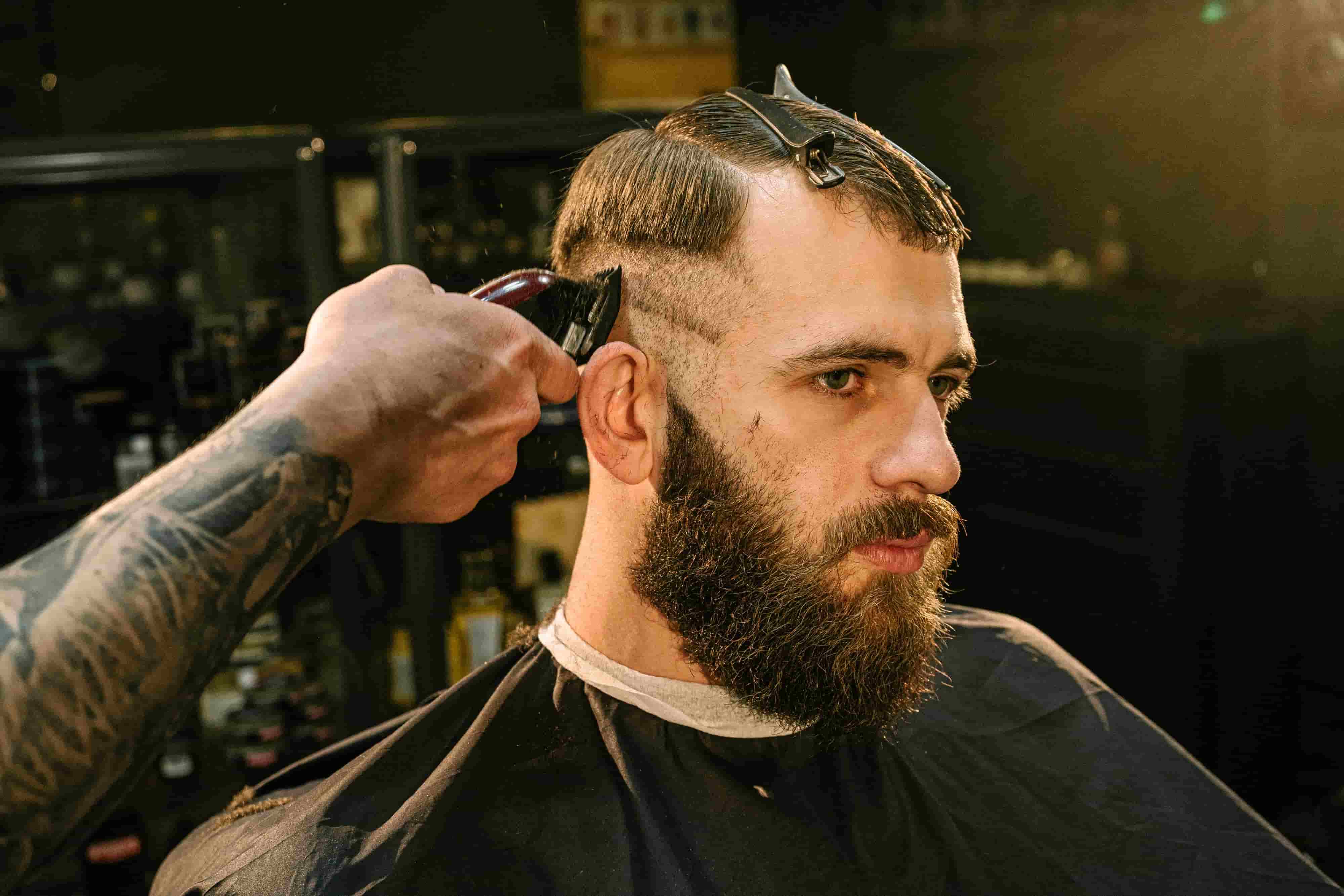
A general liability policy covers a client who slips on a wet floor. It does not cover the claim barbershops actually get: a nicked ear from a straight razor, or a clipper burn that gets infected and a client blames the shop. That is a professional liability claim, a different coverage most independent shops never bought, because the policy that felt complete at the counter was never tested against the claim that actually happens.
This guide covers what Pennsylvania actually requires to register and inspect a barbershop, what a real 2026 insurance package costs, the booth-rental gap that leaves renters and owners both uninsured without either one realizing it, and how to close it.
Quick Answer
What insurance does a Pennsylvania barbershop need? Three coverages, not one. General liability handles slip-and-fall and property damage claims. Professional liability, sometimes called malpractice coverage, handles the claim that actually happens most: a cut, burn, or infection a client blames on the service itself. Most shops carry the first and skip the second, which leaves the most common claim in the industry uncovered. A Business Owners Policy bundles general liability with property coverage for less than buying them separately, and workers compensation is required in Pennsylvania the moment you have one employee. Expect roughly $100 to $175 a month for a shop with employees carrying the full stack.
Barbering in Pennsylvania is licensed and inspected by the State Board of Barber Examiners, part of the Bureau of Professional and Occupational Affairs. The shop itself needs its own registration separate from each barber's individual license, and the Board will not schedule the required inspection until the application is complete and every listed discrepancy is resolved.
None of this is insurance, but it matters to your insurance. A shop that fails inspection or operates before registration is approved is operating outside its licensed scope, and that gap can complicate a claim regardless of what the policy itself says.
General liability is built for a customer who trips on the way to the chair. It is not built for what happens in the chair. The most common claim in this industry is a straight razor nick or a clipper cut that becomes infected, followed by a claim that the technique was the problem, not bad luck. That is a professional liability claim, and it requires its own coverage.
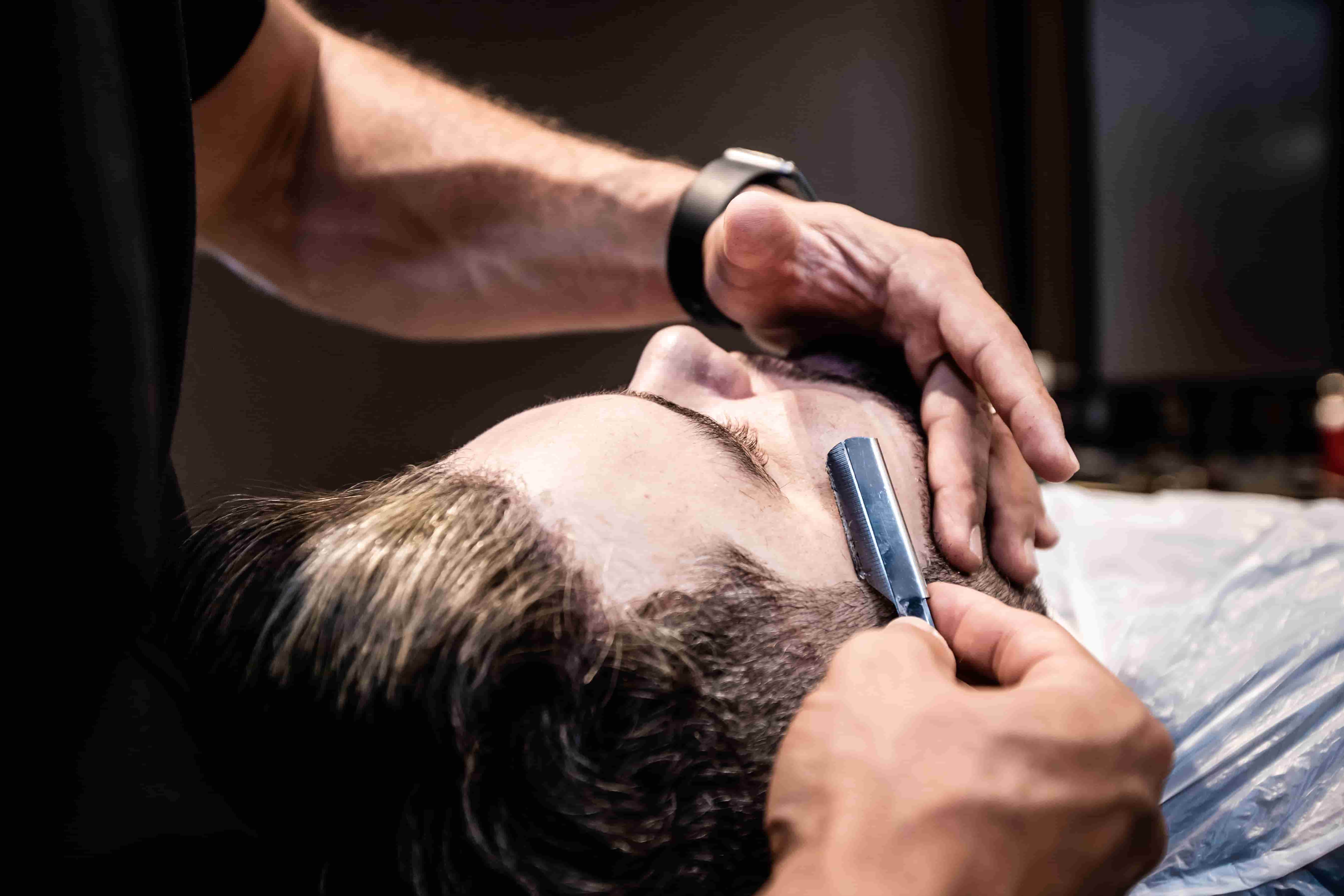
A straight razor nick, not a slip and fall, is the industry's most common claim, and it is professional liability, not general liability, that answers for it.
Product liability is the third piece worth naming specifically. It answers for a bad reaction to a shaving product, aftershave, or styling product used during the service, which is a different exposure from either of the first two and easy to assume is already included when it is not.
Not sure which of the three you actually have?
Tell us what you have now and we quote general liability, professional liability, and product liability together, so all three are actually on your policy instead of just the one everyone assumes covers everything.
Most Pennsylvania barbershops are not one payroll. They are a shop owner plus several barbers renting a chair, running their own client book, and keeping their own earnings. That arrangement creates a coverage gap almost nobody notices until a claim exposes it.
The shop owner's policy is written around the shop's own operations. It typically does not extend to a booth renter's work, because a booth renter is running an independent business inside a shared space, not working for the owner. The renter, meanwhile, often assumes the shop's policy protects them simply because they work there. Neither assumption is reliably true, and the two gaps line up perfectly: the owner thinks the renter is covered, the renter thinks the shop covers them, and after a claim both find out that no one actually was.
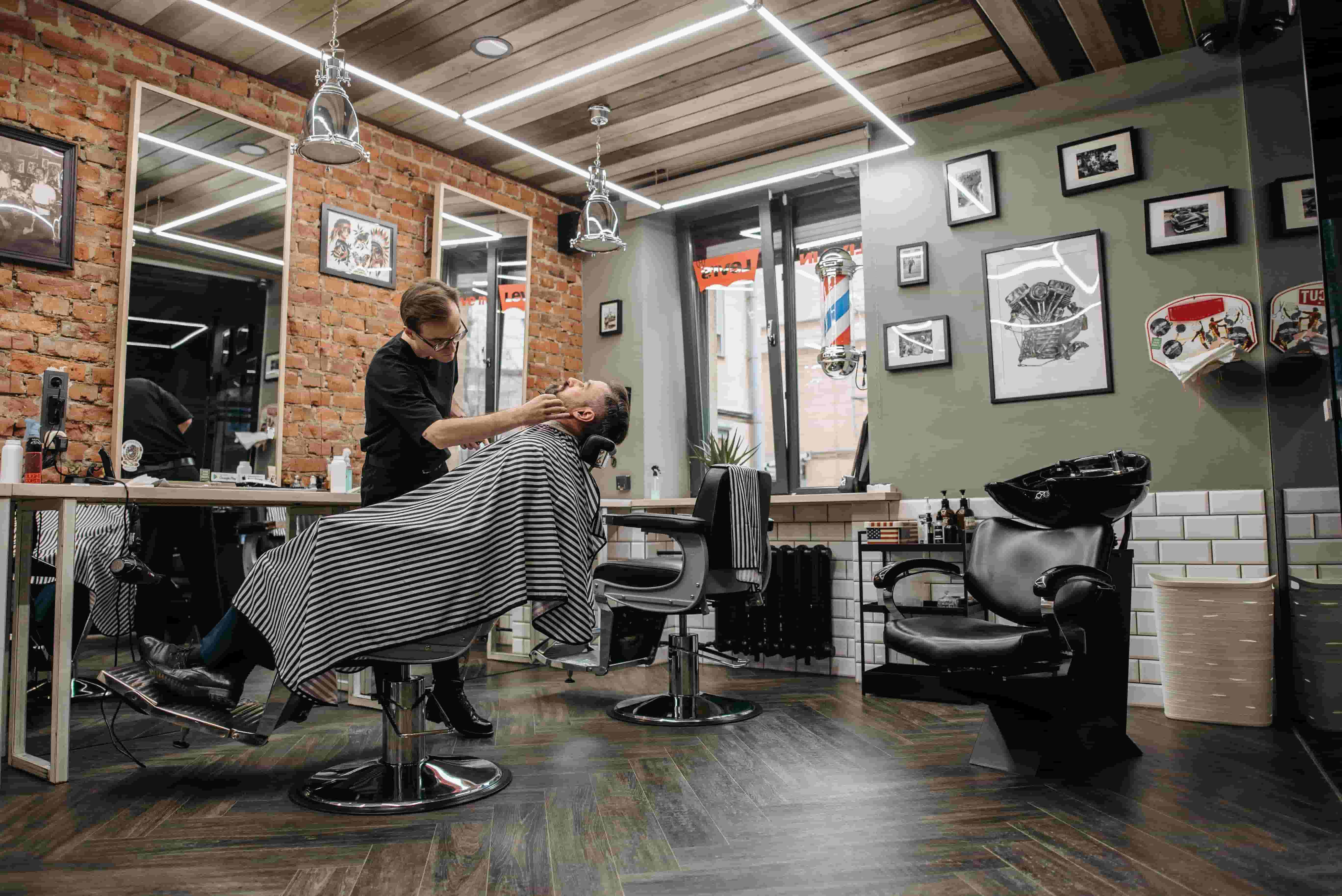
Figures below are third-party industry data for a typical independent shop, not quotes. Chair count, employees versus booth renters, and claims history all move your actual number.
Covers slip-and-fall, property damage, and injury claims from anyone other than an employee, plus the legal defense cost of responding to them even when the claim has no merit.
Covers claims that the service itself, not the premises, caused the injury: a cut, a burn, an infection, or a client alleging the technique was negligent. This is the coverage tied directly to the most common claim in the industry, and it is a separate purchase from general liability, not a feature of it.
Covers a reaction or injury from a product used during the service, such as shaving cream, aftershave, or a styling product. Shops that supply their own product line carry more of this exposure than shops using single-use or client-supplied products.
Bundles general liability with commercial property and business interruption, and is almost always cheaper than buying the pieces separately. Property coverage matters more than owners expect: chairs, mirrors, and equipment add up quickly to replace after a fire or a burst pipe.
Pennsylvania requires it from your first employee, with no small-business exemption. This applies to barbers you employ directly. Booth renters who are genuinely independent contractors are a different classification, and getting that classification wrong is a common audit finding that produces a retroactive bill.
Almost every shop owner who calls us is dealing with one of these five. None of them get fixed by shopping for a cheaper premium, which is why a generalist agent who sells for one company usually cannot fix them either.
The problem
You assumed one policy covered everything
A client blames a razor nick or a clipper burn on your technique, you file the claim, and your general liability policy denies it. It was never built to cover the service itself, only the slip-and-fall around it.
What Dragon does
We quote general liability, professional liability, and product liability together as one package from the first conversation, so the gap is closed before you ever need to find out it existed.
The problem
Nobody actually knows who covers your booth renters
You assume your policy protects everyone in the shop. Your renters assume the same thing. After a claim, both of you usually find out neither assumption was true, and the bill lands on whoever has the thinnest coverage.
What Dragon does
We set up the additional insured endorsement correctly and confirm in writing that it was actually issued, and put the responsibility in the booth rental agreement itself, not left as a verbal understanding.
The problem
A lease or a landlord wants a certificate today
Signing a lease, renewing one, or opening on schedule can hinge on getting a certificate of insurance into someone's inbox right now, and a slow agent can cost you the timeline.
What Dragon does
Certificates naming a landlord or lease holder are issued the same day by a named advisor at our Camp Hill office, not a call center ticket queue.
The problem
You classified booth renters as contractors and hope nobody audits it
Pennsylvania requires workers compensation from your first true employee. Misclassifying one as an independent booth renter to skip it is one of the most common workers comp audit findings, and it produces a retroactive bill, not just a warning.
What Dragon does
We check the classification before quoting, so the policy is priced against how your shop actually operates instead of getting corrected, expensively, at audit time.
The problem
You have only ever gotten one quote, from one company
A captive agent can only sell you what their one company offers, at whatever rate that company sets, whether or not it is competitive for a shop like yours.
What Dragon does
We compare more than 30 top carriers in Pennsylvania and place your shop with whichever one actually fits it best, so you get the best rate available for your risk instead of whichever single company an agent happens to represent.
Dragon Insurance Services has placed commercial coverage from Camp Hill, minutes from Harrisburg, since 2018, protects more than 2,500 families and businesses, and holds more than 90 five-star reviews. We are licensed across PA, TX, VA, MD, OH, TN and KY, so opening a second chair or a second location does not mean starting over with a new agency. For the broader liability picture behind the numbers your lease asks for, see our Business Owners Policy guide.
Whichever one of those five you are in, start here
A free quote costs you one conversation and tells you exactly where your shop stands. No obligation, and no pressure to move a policy that is already working for you.
Hemanta Rai
“Great price. All of above insurance agents in Harrisburg, PA. Thank you Dragon Insurance for finding the best deal in market.”
Lachu Sharma
“Great price. I saved $1,100 a year by switching with them. Best insurance agency in York, PA. Thank you team Dragon.”
Get your barbershop insurance quote
General liability, professional liability, product liability, and workers compensation quoted together, so you see the complete package instead of one piece of it.
Visit us: 1525 Cedar Cliff Dr STE 202, Camp Hill, PA 17011
Does general liability cover a bad haircut or a razor cut?
No. General liability covers claims like a customer slipping on a wet floor, not claims arising from the service itself. A straight razor nick, a clipper burn, or a claim that a cut or color was performed negligently falls under professional liability, a separate policy. This is the single most common gap in barbershop coverage, since many shops carry only general liability and assume it covers everything.
How much does barbershop insurance cost in Pennsylvania?
General liability alone runs about $37 a month. A Business Owners Policy bundling general liability and property runs about $68 a month. A full package including workers compensation and professional liability for a shop with employees commonly runs $100 to $175 a month. Most independent shops with 2 to 4 chairs stay under $100 a month for the core package. Chair count, payroll, and claims history move the number most.
Am I covered if a booth renter in my shop gets sued?
Usually not automatically. A booth renter operating as an independent business is generally not covered by the shop owner's policy unless specifically added as an additional insured. This is the most common coverage gap in the industry: the owner assumes the renter is covered, the renter assumes the shop covers them, and after a claim neither turns out to be true. Put the insurance responsibility in writing in the booth rental agreement and confirm any additional insured endorsement was actually issued.
Do I need a separate license to open a barbershop in Pennsylvania?
Yes. The shop itself must be registered with the State Board of Barber Examiners separately from each individual barber's license, and the Board schedules an inspection only after the application is complete. Requirements include specific equipment such as a reclining barber chair with a headrest, a washstand with hot and cold water for every two chairs, and the owner and barber supervisor's names posted where inspectors can see them.
Do I need workers compensation if my barbers are booth renters, not employees?
Pennsylvania requires workers compensation from your first true employee, with no small-business exemption. Genuine booth renters who run their own book, set their own hours, and collect their own payments are typically independent contractors rather than employees, which changes the requirement. Misclassifying an employee as a booth renter to avoid the requirement is a common audit finding, and getting it wrong produces a retroactive premium bill and a compliance problem, not just a cost one.
Does product liability matter if I don't sell retail products?
Yes, if you use products during the service itself, not only if you sell them. A client reaction to shaving cream, aftershave, or a styling product used in the chair is a product liability claim regardless of whether that product was ever sold at the counter. Shops using their own product line during services carry more of this exposure than shops using single-use or client-supplied products, but the exposure exists either way.
Dragon Insurance Services LLC is a licensed independent insurance agency. Cost figures are third-party industry benchmarks for illustration, not quotes or guaranteed rates, and actual premiums vary by risk profile, coverage selections, and underwriting approval. Pennsylvania State Board of Barber Examiners requirements reflect 49 Pa. Code Chapter 3 as of 2026 and are subject to change. This page is general information, not legal advice. Verify current requirements with the Board. Contact us for a personalized quote.
Explore Related Coverage
Ready to compare carriers and get a quote?
Dragon Insurance is an independent agency in Camp Hill, PA. We shop 30+ carriers to find your best rate.
Prefer to talk it through?
Get a real quote from a licensed advisor. English, Nepali, and Hindi spoken.
About the Author
Bimal GurungCEO, Agency Principal & Licensed Insurance Agent
Bimal Gurung is CEO and Agency Principal of Dragon Insurance Services, an independent agency in Camp Hill, PA that compares 30+ carriers for clients across Pennsylvania, Texas, Virginia, Maryland, Ohio, Tennessee, and Kentucky.
Meet the Dragon Insurance teamContinue Reading
Business
Best Hair Salon Insurance in Pennsylvania | Dragon
12 min read

Business
General Liability Insurance for Small Business Owners
11 min read

Business
E&O Insurance for Consultants, IT Pros and CPAs
13 min read
Business
PA Workers Comp for Employers - Rules and Penalties
14 min read

Business
Sole Proprietor Business Insurance Guide 2026 | Dragon
10 min read