Loading
Preparing your coverage insights...
Our Locations
Loading
Preparing your coverage insights...
Complete 2026 cost guide. Tables show real annual and monthly premiums by RV class and by state, full-timer surcharges, the 9 factors that drive your price, and 8 ways to lower it. Pulled from quotes Dragon Insurance has run across the states it serves in the past 12 months.
Get an RV quote for your RV class and state. One call compares the carriers we write side by side.
Quick Answer
Most "how much is RV insurance" articles give you a single number range and call it a day: "$1,000 to $2,000 per year." That range covers everything from a $3,500 pop-up camper to a $600,000 Class A diesel pusher, which makes it useless. This guide gives you real cost numbers broken out by RV class, state, and use case, sourced from Foremost and Progressive rate guidance for the states Dragon serves (PA, TX, VA, MD, OH, TN, and KY).
Use the tables below to estimate what your RV insurance will cost before you call for a quote. Then call us and we will compare 6+ carriers (Foremost, Progressive, National General, AAA, Safeco, Liberty Mutual) to find the actual lowest price for your specific RV and state.
Key Takeaways
Want your actual price across 6+ carriers? Call 717-229-5115 or use the quote form below. Most quotes ready in one business day.
RV insurance typically costs $200 to $3,500 or more per year, or about $17 to $292 per month, depending on RV type, according to Foremost and Progressive industry rate guidance. RV type is the single largest driver of insurance cost. A Class A motorhome carries its own liability coverage (required by law in every state) and covers a vehicle, a dwelling, and personal belongings all in one policy. A travel trailer has no standalone liability requirement and is significantly cheaper to insure. RV insurance rates vary by state as well as by RV class, so the same coach can run 10 to 25 percent more in Texas than in Pennsylvania. Here is what each RV class typically costs in 2026.
Figures below are industry rate guidance from Foremost and Progressive, not a guaranteed quote. Call 717-229-5115 for your actual rate.
RV insurance typically costs about $17 to $67 per month for a travel trailer, $25 to $100 for a fifth wheel, $83 to $208 for a Class C, and $100 to $292 for a Class A motorhome, based on Foremost and Progressive industry rate guidance. A pop-up camper can run as little as $8 to $25 per month on the same data. The table below shows each monthly figure next to the annual premium. Most owners think in annual terms, but the monthly figure is what actually shows up on a payment plan.
| RV Type | Typical Value Range | Est. Annual Premium | Per Month |
|---|---|---|---|
| Class A Motorhome | $80K to $600K+ | $1,200 to $3,500 | $100 to $292 |
| Class B (Camper Van) | $60K to $200K | $800 to $1,500 | $67 to $125 |
| Class C Motorhome | $60K to $180K | $1,000 to $2,500 | $83 to $208 |
| Fifth Wheel (5th Wheel) | $25K to $150K | $300 to $1,200 | $25 to $100 |
| Travel Trailer | $10K to $80K | $200 to $800 | $17 to $67 |
| Pop-Up Camper | $3K to $20K | $100 to $300 | $8 to $25 |
Premium ranges reflect general industry estimates from Foremost and Progressive for 2026 for recreational use, full RV coverage, $500-$1,000 deductibles, and standard liability limits. Actual rate may be lower with storage discounts, multi-policy bundling, or higher deductibles.
Camper insurance typically costs $100 to $300 per year ($8 to $25 per month) for a pop-up camper and $200 to $800 per year ($17 to $67 per month) for a travel trailer, based on Foremost and Progressive industry data. "Camper insurance" usually means insurance for a towable unit, a travel trailer or a pop-up camper, not the drivable Class B campervan covered later in this guide. Camper insurance rates track the same factors as any other RV: unit value, use frequency, storage, and state. A toy hauler, a travel trailer or fifth wheel built with a rear cargo bay for ATVs or motorcycles, falls in the same travel trailer or fifth wheel pricing range, though the added cargo capacity and length can push the value, and the premium, toward the higher end.
Travel trailer insurance typically costs $200 to $800 per year, or about $17 to $67 per month, according to industry data from Foremost and Progressive. Where your trailer lands in that range depends on trailer value, use frequency, and coverage selections. Per the same Foremost and Progressive data, a $30,000 mid-range travel trailer with standard coverage and a $500 deductible typically runs $280 to $480 per year, and higher-value travel trailers in the $50,000 to $80,000 range typically run $450 to $800 per year. Progressive often leads on price for travel trailers stored seasonally, so have Dragon quote it side by side with Foremost and Safeco before you buy to lock in the lowest price for the same coverage.
Fifth wheel insurance typically costs $300 to $1,200 per year, or about $25 to $100 per month, for recreational use, per Foremost and Progressive rate guidance. That range covers 5th wheels valued between $25,000 and $150,000, and length and slide-out count move the price most, since both drive the unit's value. Fifth wheel owners who tow with a dedicated pickup should confirm their tow vehicle's liability policy is separate from the fifth wheel's own physical damage and contents coverage; the two are not the same policy.
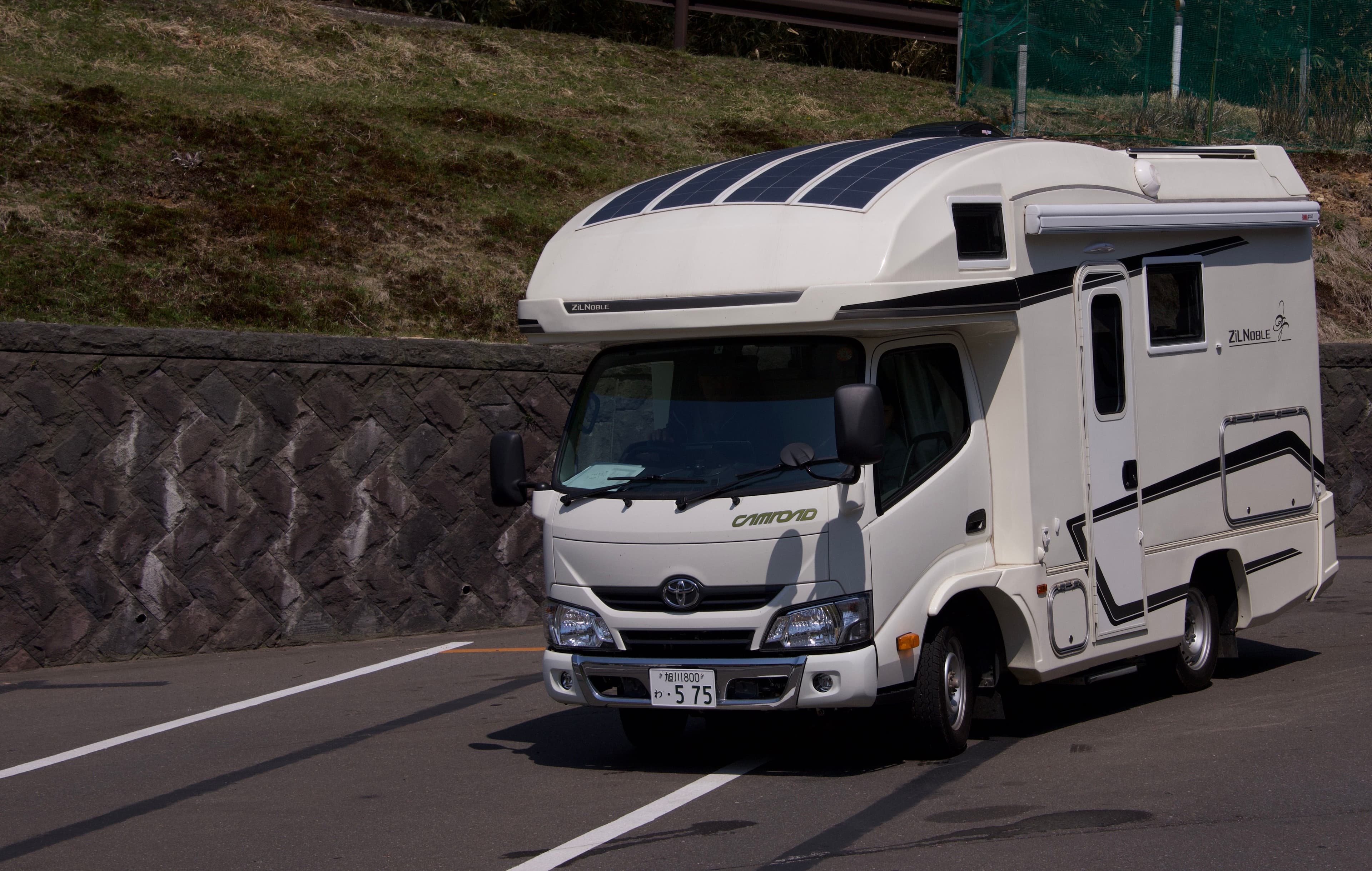
"Motorhome" specifically means a drivable RV: a Class A, a Class B campervan, or a Class C, as opposed to a towable travel trailer or fifth wheel. Motorhome insurance cost varies more within Class A than the table above shows, because a gas Class A and a diesel pusher are different insurance risks even at a similar length, and a campervan has its own pricing quirks worth calling out separately.
Pricing is only half the picture. If you are weighing coverage details instead, like whether a policy pays for water damage or covers a travel trailer's contents, see What Does RV Insurance Cover? for a full coverage-by-coverage breakdown.
A diesel pusher costs more to insure than a gas Class A of similar length mainly because diesel coaches carry a higher average value and a more expensive drivetrain to repair.
| Motorhome Type | Typical Value | Est. Annual Premium | Per Month |
|---|---|---|---|
| Class A (gas) | $120K to $250K | $1,200 to $2,800 | $100 to $233 |
| Class A (diesel pusher) | $250K to $500K+ | $2,000 to $4,500+ | $167 to $375+ |
Source: Foremost and Progressive published motorhome insurance ranges. Actual premiums depend on underwriting review and the coverage you select.
A Class B campervan is the cheapest motorhome to insure, typically $800 to $1,500 per year for recreational use as shown in the table above. Campervans are smaller, handle like a large van, and carry a lower total-loss value than a 35-foot Class A, so the premium is lower for the same driver. Two details move a campervan quote the most:
For DIY conversions, keep receipts and photos of the build. Carriers will insure a converted campervan, but they want documentation of the value before they agree to it.
Motorhome insurance is a type of RV insurance, so the cost depends on the specific unit, not the label. A drivable motorhome carries its own auto liability for operating the vehicle, which a towable travel trailer does not need on a standalone policy, but a small Class B campervan can still cost less to insure than a high-value fifth wheel. Compare your specific unit rather than the category name.
Where your RV is garaged is the second-largest cost driver after RV type. Texas RV insurance typically runs 10 to 25 percent above Pennsylvania for an identical Class C coach because of higher hail loss exposure and significantly higher uninsured motorist rates statewide, based on Insurance Information Institute hail data. Here is what an average Class C ($120K value) and a mid-range travel trailer ($35K value) typically cost in each state we serve.
Figures below are industry rate guidance from Foremost and Progressive, not a guaranteed quote. Call 717-229-5115 for your actual rate.
| State | Class C Motorhome ($120K) | Travel Trailer ($35K) | Key Cost Driver |
|---|---|---|---|
| Pennsylvania | $1,200 to $1,800 | $280 to $480 | Choice no-fault system; moderate climate exposure |
| Texas | $1,500 to $2,400 | $340 to $620 | Hail corridor; highest UM rates among the states we serve |
| Virginia | $1,150 to $1,750 | $270 to $460 | Lower loss exposure; competitive carrier market |
| Maryland | $1,250 to $1,850 | $290 to $490 | PIP requirements; suburban density factor |
| Ohio | $1,100 to $1,700 | $260 to $440 | Lower base rates; lake-effect winter storage common |
| Tennessee | $1,250 to $1,900 | $290 to $500 | High UM rates; tornado exposure in West TN |
| Kentucky | $1,150 to $1,750 | $270 to $470 | No-fault state; basic reparations benefits required |
Rates vary by state based on local weather exposure, uninsured motorist rates, and state minimum requirements. Ranges reflect general industry estimates for clean-record owners with standard use. State minimums and PIP requirements vary; verify current state requirements with your DMV. Hail loss exposure data sourced from Insurance Information Institute hail data.
Garaging your RV in Pennsylvania? Dragon is based in Camp Hill, PA, so start with our Pennsylvania RV insurance quotes page. We compare Foremost, Progressive, National General, AAA, Safeco, and Liberty Mutual on identical coverage, so you see the lowest PA rate for your motorhome, travel trailer, or fifth wheel in one call.
The average RV insurance rate across all RV types and states falls in the range of $500 to $1,500 per year for recreational use with standard coverage. That average is pulled down by inexpensive travel trailers and pop-up campers and pulled up by Class A motorhomes with agreed value policies. The number that matters is your number: based on your specific RV class, garaging state, use frequency, and coverage selections.
Most RV policies cover damage from collision, fire, theft, and weather events under a comprehensive and collision structure similar to auto insurance. RV comprehensive coverage also protects against theft and vandalism, plus weather damage such as hail and falling trees. Many carriers offer roadside assistance as a standard inclusion or low-cost add-on, covering towing for your motorhome or tow vehicle up to a set distance.
For a full breakdown of what is included and how to bundle it with your auto or home policy, see our RV insurance coverage page.
Skip the estimating
Get your actual price in one call.
Tables show ranges. Your real number depends on your record, credit, deductibles, coverage options, and storage. We pull it from 6+ carriers in minutes.
Where We Write Policies
Licensed in PA, TX, VA, MD, OH, TN & KY only. Quotes available for these states.
The tables above give you a starting range. Your actual price depends on nine factors that underwriters evaluate when they quote your policy. The first three are non-negotiable. The last six are levers you can pull to lower your cost.
1. RV type and class
Largest cost driver. Class A motorhomes cost 4-10x more to insure than a travel trailer of comparable value because they carry their own liability requirement.
2. RV value and age
A new $200K Class A coach costs significantly more for physical damage coverage than a 15-year-old $50K unit. Agreed value vs. ACV decisions also matter most on high-value units.
3. Garaging state and ZIP
Texas hail corridors and high-UM areas push premiums 10-25% above lower-risk states. ZIP-level theft and weather data also matters.
4. Use frequency
Recreational (under 150 days/year), extended recreational, and full-time use are different products. Full-timer rating adds 40-100% to base recreational pricing.
5. Storage location
Locked covered storage 4+ months per year qualifies for storage discounts of 25-53% per Progressive's published data. Open street storage adds risk loading.
6. Driving record and prior claims
Tickets and at-fault claims in the past 3-5 years raise premiums. A single DUI can double premiums or force placement in non-standard markets.
7. Credit-based insurance score
Permitted in every state we serve. Top-tier credit can save 20-40% vs. lower tiers at most major RV carriers.
8. Deductible selection
Raising your deductible from $500 to $1,000 typically cuts physical damage premium 10-15%. $500 to $2,500 can cut it 20-30%.
9. Coverage selections and limits
Higher liability limits, personal effects limits, full-timer endorsements, and agreed value vs. ACV all change the price. Coverage selections drive 25-40% of total premium.
Full-time RV insurance costs 40 to 100 percent more than a comparable recreational policy. That sounds steep, but it reflects a fundamentally different product. A recreational RV policy assumes the coach is used under 150 days per year and the owner has another primary residence. A full-timer policy is designed for people treating their RV as a home on wheels: it provides higher personal effects limits, vacation liability at campsite locations, extended loss-of-use rv coverage, and coverage for attached structures.
| RV Type | Est. Recreational Premium | Est. Full-Timer Premium | Increase |
|---|---|---|---|
| Class A ($200K) | $1,800 | $2,800 to $3,500 | +55 to 95% |
| Class C ($120K) | $1,400 | $2,100 to $2,700 | +50 to 93% |
| Fifth Wheel (5th Wheel) ($60K) | $700 | $1,100 to $1,500 | +57 to 114% |
| Travel Trailer ($35K) | $400 | $650 to $900 | +63 to 125% |
The full-timer surcharge is worth paying. Underreporting your use frequency to keep recreational pricing can result in denied or underpaid claims if the carrier discovers full-time living when you file a claim. Be honest about how many months per year you live in your RV. The right product costs more upfront but pays correctly at claim time.
Eight tactics that work, ranked roughly by impact. Most owners can save 15 to 30 percent off the standard quote by applying three to five of these.
When you Google "cheapest RV insurance" and click out to a carrier's quote form, you typically see one number. That number is the cheapest version of the carrier's product, which often means: liability-only on a unit that needs collision and comprehensive, ACV settlement on a unit that needs agreed value, or recreational pricing on a full-timer who will be denied at claim time. The headline rate is cheap because the product is incomplete.
What an independent agent does instead: we pull quotes from 6+ carriers with identical coverage limits, deductibles, and endorsements. You see what the same coverage costs across all six. You pick the cheapest one that actually matches your use case. No headline-rate trickery, no surprises at renewal, no claim time gaps.
No fee for the comparison. Independent agents are paid by the carrier when the policy binds, at the same commission rate the carrier would have paid a direct sales rep. You pay the same price either way. The difference is whether you got the right policy or the cheapest looking one.
Not sure which of those carriers actually wins on price and customer satisfaction for your RV type? See our RV insurance carrier comparison for how Foremost, Progressive, and the rest of Dragon's panel stack up.
How much is RV insurance per year?
RV insurance typically costs $200 to $3,500 or more per year, according to industry data from Foremost and Progressive, depending on RV type, value, use frequency, and coverage. Travel trailers run $200 to $800, Class C motorhomes $1,000 to $2,500, and Class A motorhomes $1,200 to $3,500+, with full-timer coverage adding 40 to 100 percent.
How much is RV insurance per month?
RV insurance typically costs about $17 to $292 per month in 2026, based on industry data from Foremost and Progressive: travel trailers typically run $17 to $67 per month, fifth wheels $25 to $100, Class C motorhomes $83 to $208, and Class A motorhomes $100 to $292. Pop-up campers can run as little as $8 to $25 per month on the same data. Most carriers add a small monthly installment fee (typically $3 to $8) when you pay monthly instead of annually, so call 717-229-5115 and we will quote both the monthly and paid-in-full price; paying in full typically saves 3 to 8 percent.
How much does Class A RV insurance cost?
Class A motorhome insurance typically runs $1,200 to $3,500 per year for recreational use in 2026, based on industry data from Foremost and Progressive. The range depends primarily on the coach value: a $100K Class A typically runs $1,200 to $1,800 per year, a $200K coach around $1,800 to $2,500, and a $400K+ luxury Class A typically runs $2,800 to $4,500 on an agreed value policy. Full-timer pricing adds 50 to 95 percent on top of recreational base rates.
How much does travel trailer insurance cost?
Travel trailer insurance typically costs $200 to $800 per year, or about $17 to $67 per month, according to industry data from Foremost and Progressive. On the same data, a $30K mid-range travel trailer with standard coverage and a $500 deductible typically runs $280 to $480 per year, and higher-value trailers in the $50K to $80K range typically run $450 to $800 per year. Rates depend on trailer value, use frequency, and coverage selections, and Progressive often leads on price for travel trailers stored seasonally.
How much is camper insurance?
Camper insurance typically costs $100 to $300 per year ($8 to $25 per month) for a pop-up camper and $200 to $800 per year ($17 to $67 per month) for a travel trailer, based on industry data from Foremost and Progressive. A drivable Class B campervan is priced as a motorhome and typically runs $800 to $1,500 per year on the same data. Call 717-229-5115 and we will compare camper quotes from Foremost, Progressive, and Safeco side by side so you pay the lowest rate for the same coverage.
How much is fifth wheel insurance?
Fifth wheel insurance typically costs $300 to $1,200 per year, or about $25 to $100 per month, for recreational use, per Foremost and Progressive rate guidance for 5th wheels valued between $25,000 and $150,000. Length and slide-out count move the price most because they drive the unit's value, and full-time living adds 40 to 100 percent. Call 717-229-5115 for a side-by-side fifth wheel quote across the carriers we write.
Is RV insurance expensive?
RV insurance is typically not expensive for towables: a travel trailer typically runs about $17 to $67 per month and a fifth wheel $25 to $100 per month, according to Foremost and Progressive industry rate guidance. Drivable motorhomes cost more, typically $83 to $208 per month for a Class C and $100 to $292 for a Class A on the same data, because the policy insures a high-value vehicle with its own driving liability. Seasonal storage discounts, bundling with auto and home, and a higher deductible all bring the price down, so call 717-229-5115 and we will compare carriers to find the lowest rate for your RV.
Why is RV insurance so expensive?
RV insurance feels expensive because it bundles two products: auto insurance (liability while driving) and homeowners insurance (personal effects, vacation liability, loss of use). A Class A motorhome insurance policy covers a $200,000 vehicle that travels 5,000+ miles per year AND a $25,000 personal property inventory AND your liability while parked at a campsite. A standard auto policy and a standard home policy on equivalent assets would cost more combined than the RV policy charges.
How much is full-timer RV insurance?
Full-timer RV insurance costs 40 to 100 percent more than comparable recreational coverage. A Class A coach quoted around $1,800 per year for recreational use typically runs $2,800 to $3,500 for full-timer coverage. The additional premium pays for higher personal effects limits ($25K to $50K+), vacation liability at permanent campsite locations, extended loss-of-use coverage, and coverage for attached structures like deck additions and screened enclosures.
How much is RV insurance in Texas?
Texas RV insurance typically runs 10 to 25 percent more than the same RV in Pennsylvania or Ohio because of higher hail loss exposure and significantly higher uninsured motorist rates statewide, based on Insurance Information Institute hail data. Industry estimates put a Class C ($120K) in TX at $1,500 to $2,400 per year vs. $1,200 to $1,800 in PA, and a $35K travel trailer in TX at $340 to $620 vs. $280 to $480 in PA. Storage discounts and covered garaging significantly reduce TX exposure for off-season months.
How much is RV insurance in Pennsylvania?
RV insurance in Pennsylvania averages among the lowest of the states Dragon serves thanks to PA's choice no-fault system and moderate climate exposure. A Class C ($120K) in PA runs about $1,200 to $1,800 per year, and a $35K travel trailer runs about $280 to $480. Seasonal storage from late fall through spring, which most PA owners use, can cut the comprehensive portion of the premium further. Garaging location within PA, your driving record, and agreed value versus actual cash value still move the final number.
How much is motorhome insurance?
Motorhome insurance, meaning a drivable RV such as a Class A, Class B campervan, or Class C, typically costs $800 to $4,500 or more per year depending on class and value, according to industry data from Foremost and Progressive. Class B campervans run $800 to $1,500, Class C motorhomes $1,000 to $2,500, Class A gas coaches $1,200 to $2,800, and Class A diesel pushers $2,000 to $4,500 or more. Full-time living adds 40 to 100 percent on top of recreational pricing.
Is motorhome insurance cheaper than RV insurance?
Motorhome insurance is a type of RV insurance, so the cost depends on the specific unit, not the label. A drivable motorhome carries its own auto liability for operating the vehicle, which a towable travel trailer does not need on a standalone policy, but a small Class B campervan can still cost less to insure than a high-value fifth wheel. Compare your specific unit rather than the category name.
Have your RV details ready: year, make, model, length, estimated current value or MSRP, how many months per year you use or live in it, and your state. We pull quotes from Foremost, Progressive, National General, AAA, Safeco, Liberty Mutual, and 24 more carriers. You see the side-by-side, you pick the lowest. Quotes typically ready in one business day.
Visit us: 1525 Cedar Cliff Dr STE 202, Camp Hill, PA 17011
Serving RV owners across PA, TX, VA, MD, OH, TN, and KY. English, Nepali, and Hindi spoken.
Best RV Insurance Companies for 2026
Which carrier actually wins on price and service, compared side by side.
Read more
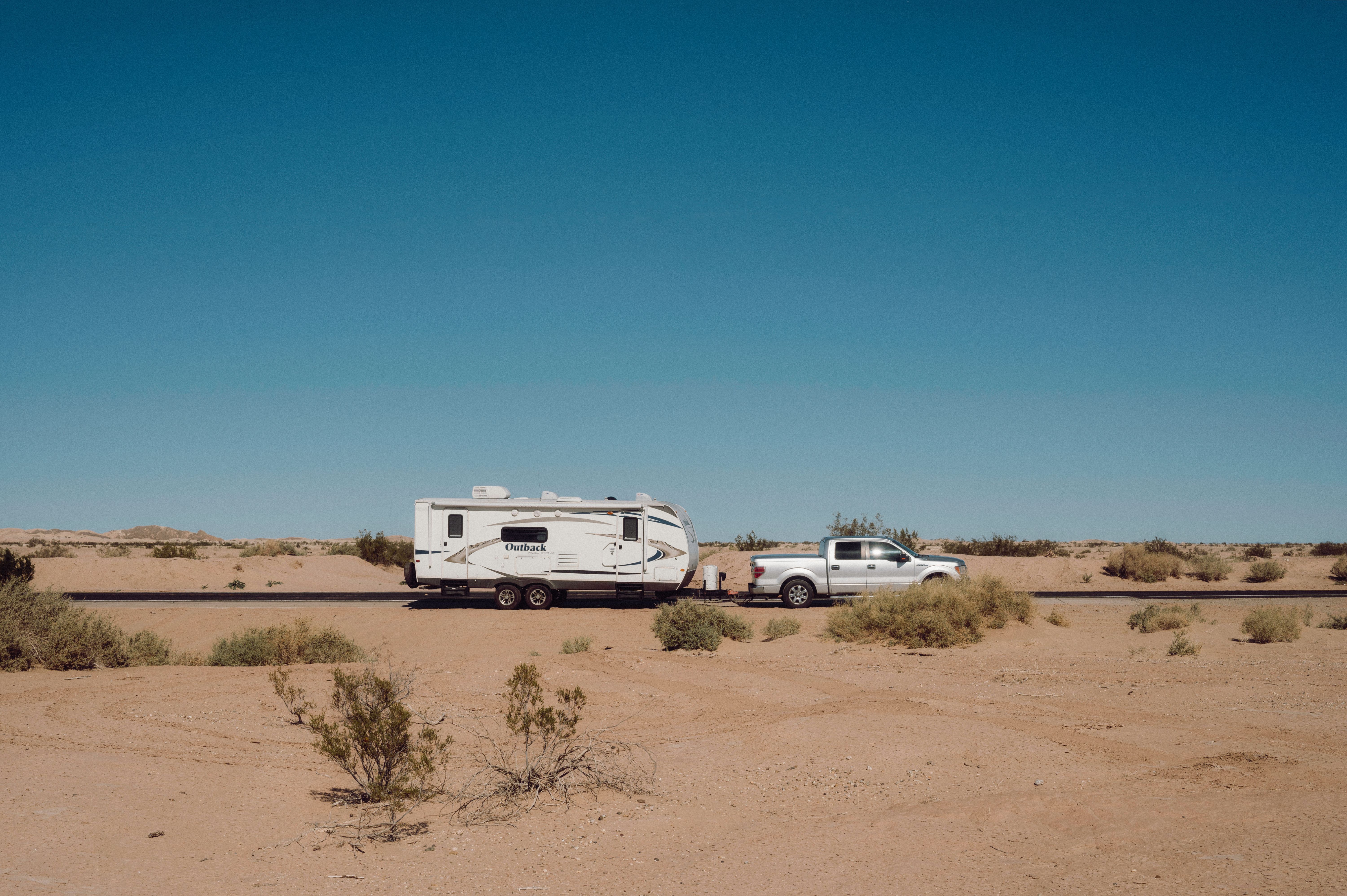
What Does RV Insurance Actually Cover?
Collision, comprehensive, liability, water damage, and what full-timers need differently.
Read more
Foremost Insurance Review 2026
Ratings, cost, and who Dragon's top RV pick actually fits.
Read more
Dragon Insurance Services LLC is a licensed independent insurance agency. Premium ranges in this article reflect industry rate guidance from Foremost and Progressive for the states Dragon serves (PA, TX, VA, MD, OH, TN, and KY) and are estimates, not guaranteed rates. Coverage availability, terms, and rates vary by carrier, RV type, use frequency, state, and applicant profile. Quotes are subject to underwriting approval. State minimum requirements are subject to legislative change. Contact us for a personalized quote.
Explore Related Coverage
Ready to compare carriers and get a quote?
Dragon Insurance is an independent agency in Camp Hill, PA. We shop 30+ carriers to find your best rate.
Prefer to talk it through?
Get a real quote from a licensed advisor. English, Nepali, and Hindi spoken.
About the Author
Bimal GurungCEO, Agency Principal & Licensed Insurance Agent
Bimal Gurung is CEO and Agency Principal of Dragon Insurance Services, an independent agency in Camp Hill, PA that compares 30+ carriers for clients across Pennsylvania, Texas, Virginia, Maryland, Ohio, Tennessee, and Kentucky.
Meet the Dragon Insurance teamContinue Reading